


From the flax-weaving village of Lung Tam to the rammed-earth houses of Lo Lo Chai, these five Vietnamese villages offer a closer look at local life, traditional crafts and community-based tourism. Staying in a homestay, meeting local artisans or taking part in everyday activities allows travellers to experience a different side of Vietnam while supporting the communities they visit.
Community tourism in Vietnam is also helping rural communities create additional sources of income while keeping traditional skills and local heritage alive. For this selection, we looked at several factors, including tourism awards received by the villages, the range of experiences available to visitors and their visibility in online searches. Together, these five destinations provide different ways to discover Vietnam through its people, traditions and everyday life.
Lung Tam (Tuyen Quang province): Hmong flax weaving
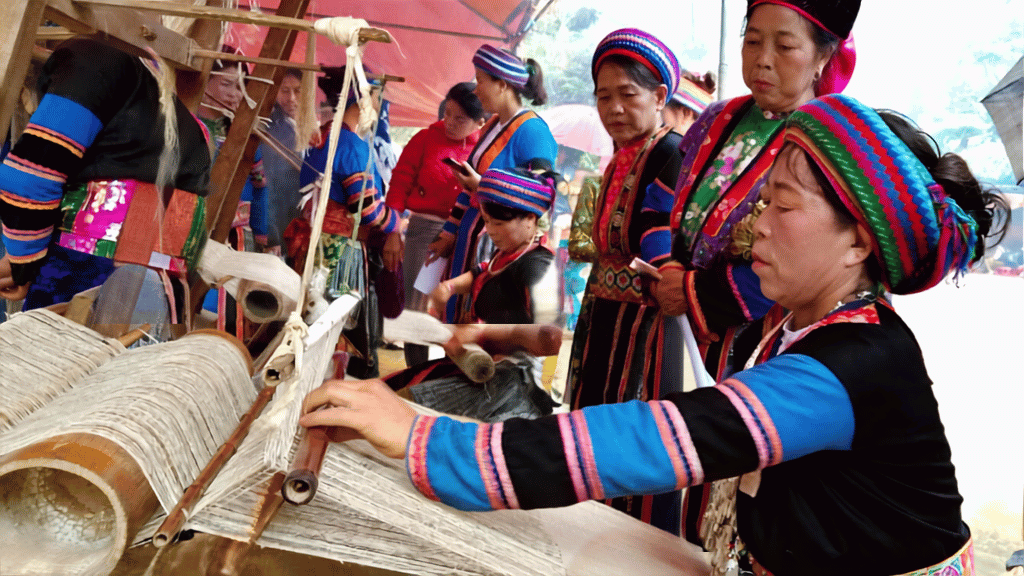
In the Quan Ba valley, Lung Tam is known for the traditional textile skills of the Hmong. Flax plays a major part in village life. The fibres are turned into cloth by hand, then used to make clothing, bags, scarves and other everyday items. The process starts with harvesting and preparing the flax. The fibres are then joined, spun and woven before being dyed with indigo. Some pieces are decorated with beeswax patterns, using techniques handed down from generation to generation. Every stage takes time and precision, especially when the goal is a fabric that is strong and even enough to last.
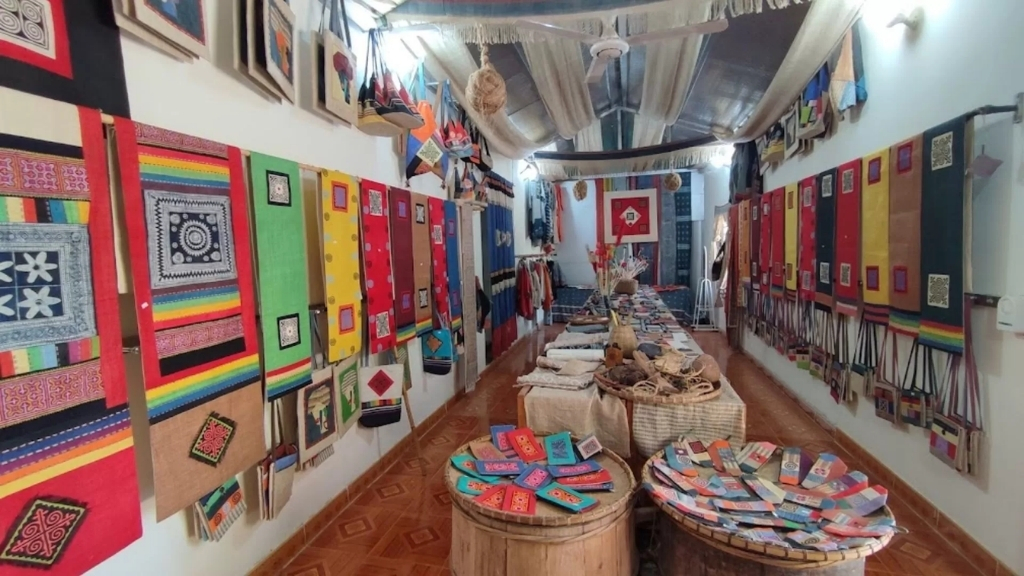
The Lung Tam flax weaving cooperative plays an important role in keeping this know-how alive. It began with about ten members and now brings together more than a hundred artisans, mostly women from the village and the surrounding area. Its production keeps the flax tradition going while giving families an extra income.
The best way to discover Lung Tam is to visit the workshops and watch the artisans at work. You can follow the different stages of turning flax into cloth, from the weaving to the indigo dyeing and the beeswax patterns. Above all, the visit helps you understand the time, gestures and skill it takes to turn a simple flax fibre into traditional Hmong fabric.
Tra Que (Da Nang): Hoi An’s vegetable-growing village
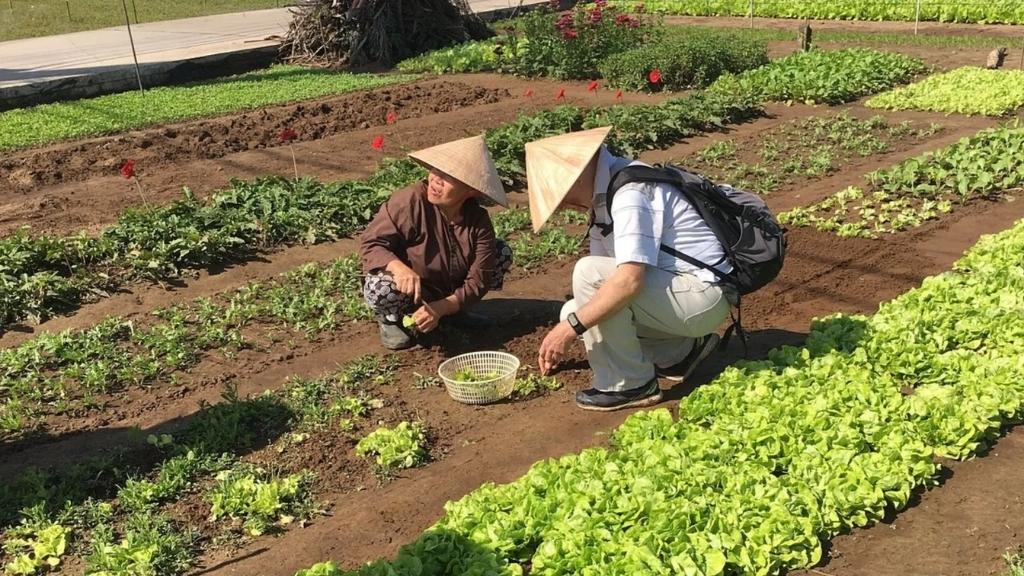
A few kilometres from Hoi An, Tra Que is a former market-gardening village famous for its vegetables and aromatic herbs. It sits on a fertile strip of land between the Co Co river and the Tra Que lagoon and covers around 18 hectares. More than 200 households still farm the land using techniques passed down through the generations.
Farmers here grow mint, basil, coriander and other herbs used in Hoi An’s cooking. The fertile soil and the locally produced organic fertiliser play a big part in the harvest. The plots are tended by hand, and farmers spend much of their day preparing the soil, planting, watering and harvesting.
Farming remains at the heart of life in Tra Que, even though the village now welcomes visitors. Some families offer activities that let you try the work in the fields, from preparing plots to planting and watering crops. A stroll through the village also lets you look at the gardens and understand the link between what is grown here and the traditional cuisine of Hoi An.
Thai Hai (Thai Nguyen province): Tay community life
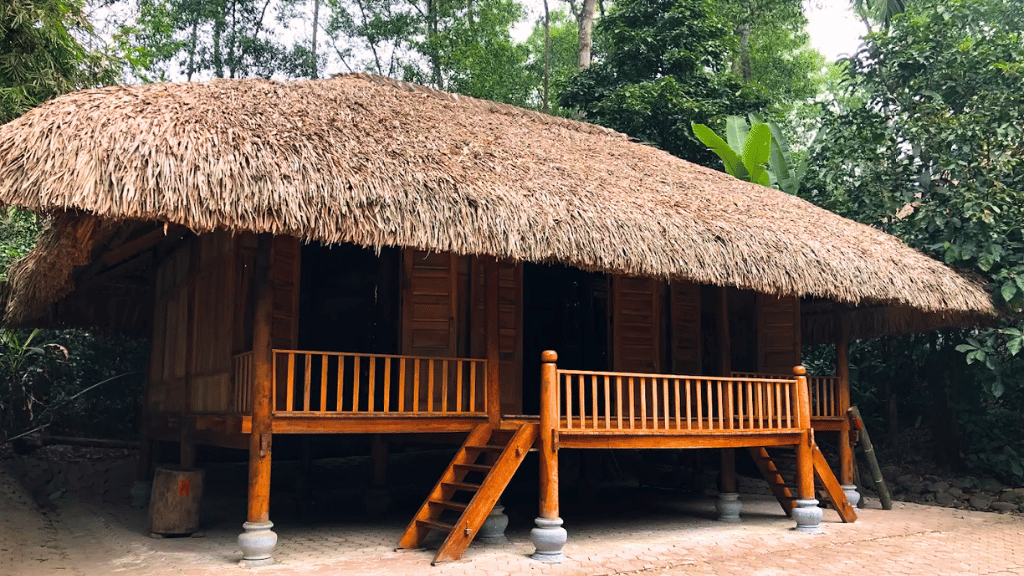
In Thai Hai, around thirty traditional stilt houses are scattered across a wooded, hilly landscape. The village is home to a Tay community that has chosen to keep these dwellings as well as part of its traditional way of life. Several generations live side by side and take part in the village’s activities.
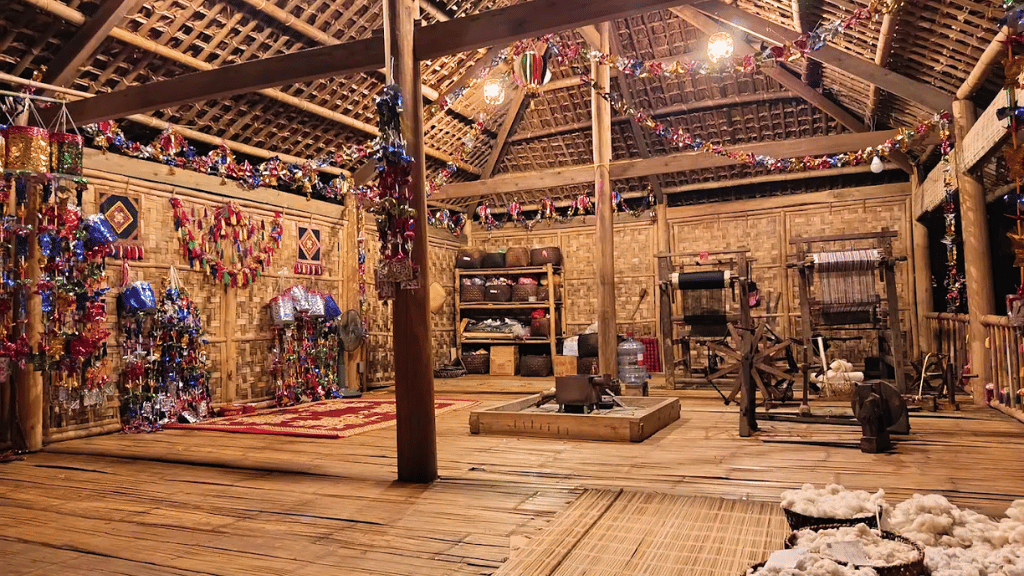
Daily life revolves around farming, cooking and the production of local goods. Tea is important in the Thai Nguyen region, and visitors can explore the tea gardens, watch the harvest or join in certain activities depending on the season. Food is another central part of village life, with dishes prepared from ingredients grown or raised on the spot. Tay traditions are still very much present when people come together. Then singing, traditional music, costumes and some handicraft practices can be discovered during activities organised by the community.
Thai Hai was named one of UN Tourism’s “Best Tourism Villages” in 2022. The award highlighted the preservation of its cultural heritage and the way the village is run by its community. For travellers, discovering Thai Hai is above all about daily life. You can stroll between the stilt houses, share a meal, learn about tea production or simply chat with the villagers. It is this collective way of living that gives the village its special character.
Sa Dec (Dong Thap province): the flower village of the Mekong Delta

In Tan Quy Dong, flower growing has been part of local life for over a hundred years. Set on the banks of the Tien river, the flower village of Sa Dec is home to many families who grow flowers and ornamental plants. The work goes on all year round, with activity peaking in the run-up to Tet.
One of Sa Dec’s particularities is the way its flowers are grown. Because land in the delta can be hit by floods, growers place part of their plants on raised structures. This lets them work between the plots without submerging the crops. In some gardens, people even travel the paths by boat when the water rises.
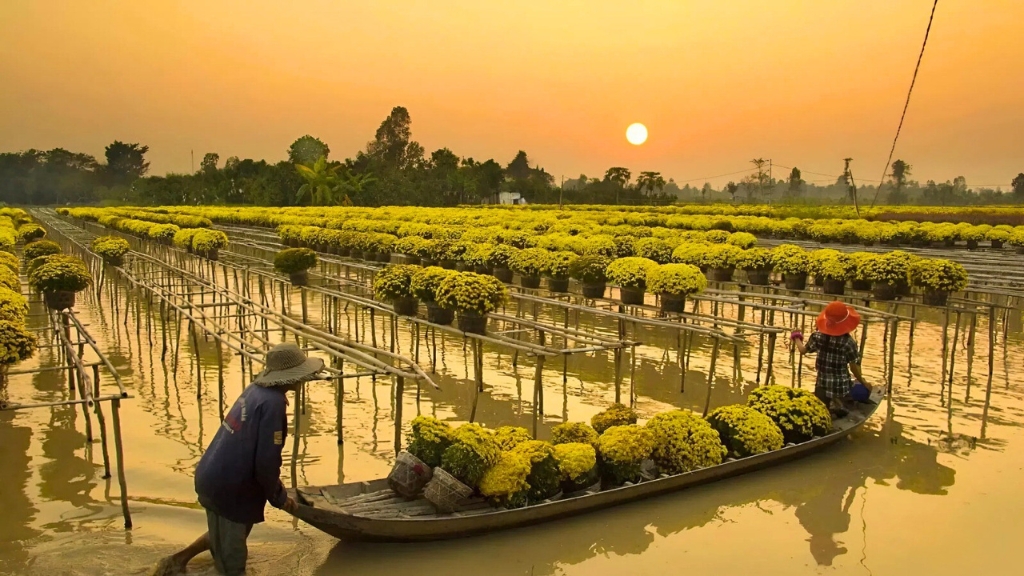
Chrysanthemums, roses, carnations, bougainvillea and many other ornamental plants fill the gardens. Before Tet, the colours multiply in the fields and growers rush to prepare plants for the markets and homes of different regions of Vietnam. A walk through the village lets you watch this work up close, from preparing seedlings to caring for, watering and shaping the trees and flowers. The gardens are also a good place to understand the link between horticulture and the daily life of the families of Tan Quy Dong.
Visiting tip: to enjoy the flower gardens at their best, the period before Tet is the busiest and most colourful. Sa Dec can also be combined with Tram Chim National Park or the Gao Giong cajuput forest to extend your exploration of the landscapes of the Mekong Delta.
Lo Lo Chai (Tuyen Quang province): a Lo Lo village at Vietnam’s northern edge
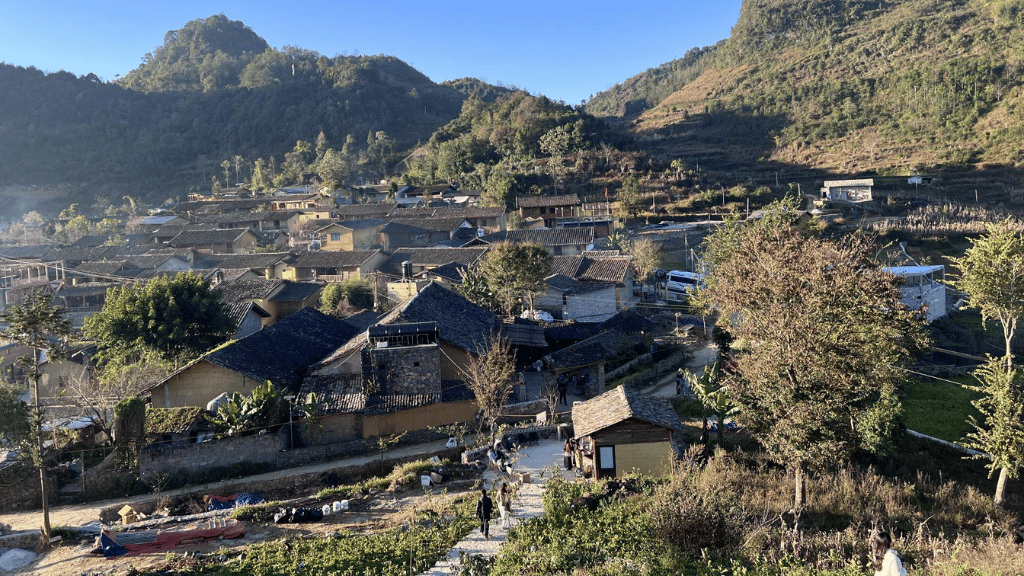
A few kilometres from the Lung Cu flag tower, Lo Lo Chai lies in one of the northernmost regions of Vietnam. The village is inhabited mainly by the Lo Lo community and keeps a traditional architecture recognisable by its earthen houses, thick walls and tiled roofs.
The earthen house, known locally as trinh tuong, is well suited to the climate of this mountainous region. Some old dwellings are still preserved and lived in by families. The village lanes, small gardens and houses grouped around shared spaces give Lo Lo Chai an atmosphere very different from the villages of the plains.
In recent years, several families have started welcoming travellers directly into their homes. Of around 120 households, more than fifty now offer accommodation or an activity linked to tourism. Some houses have been converted into homestays while keeping their traditional structure and architecture. Lo Lo culture can also be seen in clothing, embroidery, festivals and farming practices. Depending on the season, visitors may watch costumes being prepared, discover some of the embroidery work or join in with field activities, especially during sowing and harvest time. In 2025, Lo Lo Chai was selected as one of UN Tourism’s “Best Tourism Villages”. The recognition highlighted the preservation of its cultural heritage and the development of community activities in the village.




 Google
  Facebook
  Tripadvisor
  Trustindex


