


For centuries, Central Highlands gong culture has shaped the spiritual and communal life of Vietnam’s Tây Nguyên region. More than musical instruments, these bronze gongs accompany village festivals, sacred rituals and community gatherings, carrying the beliefs, craftsmanship and collective memories of local ethnic groups across generations. Recognized by UNESCO as an intangible cultural heritage, this living tradition offers a unique insight into the region’s cultural identity. This guide explores the origins and significance of gong music, its role in local communities, and where visitors can experience it firsthand.
Table of Contents
Where do the gongs of the Central Highlands come from?
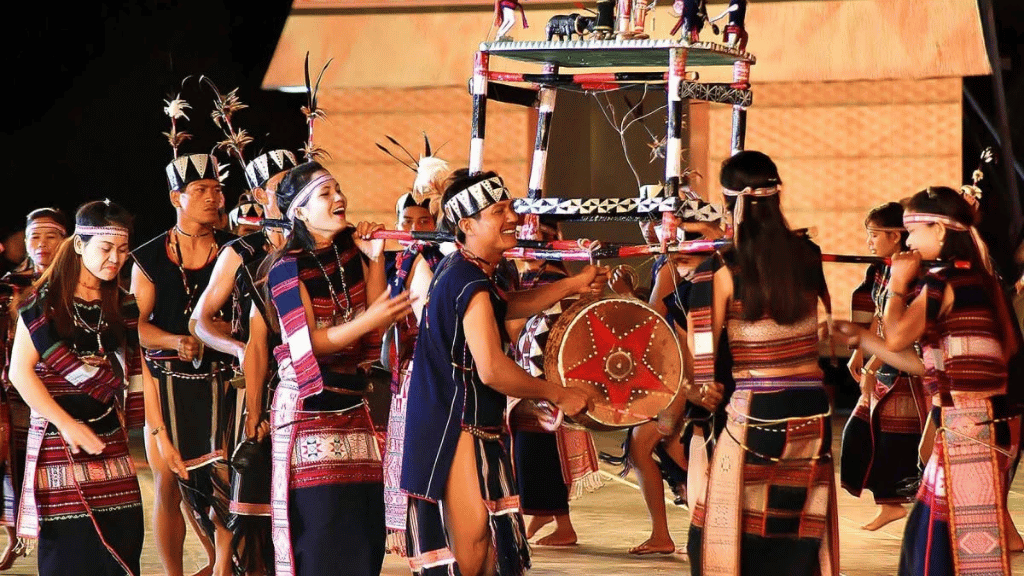
The story of Highland gongs begins long before bronze. Their roots lie in older instruments made of stone and bamboo and in the later rise of metalworking, which made bronze gongs possible. Over the generations, gongs became woven into community life, accompanying festivals, spiritual ceremonies and the great moments of a lifetime.
The tradition stretches across five provinces: Kon Tum, Gia Lai, Dak Lak, Dak Nong and Lam Dong. It is kept alive by many ethnic groups, among them the Bahnar, Sedang, Jarai, Ê Đê, M’Nông, Co Ho, Mạ and Rơ Măm. Each community has its own rhythms, melodies and dances, yet together they form a shared heritage that reflects the cultural diversity of the Highlands.
What do gongs mean to Highland communities?
In Tay Nguyen, gongs belong to everyday life as much as to ceremony. Their music marks the milestones of a lifetime, the rhythm of the farming year and the gatherings of the whole village, and every rhythm answers a particular occasion. That is why the gongs are best understood as living heritage rather than simply instruments: their sound reveals how Highland people relate to nature, to the spirit world and to one another.
Gongs at life’s milestones and through the farming year
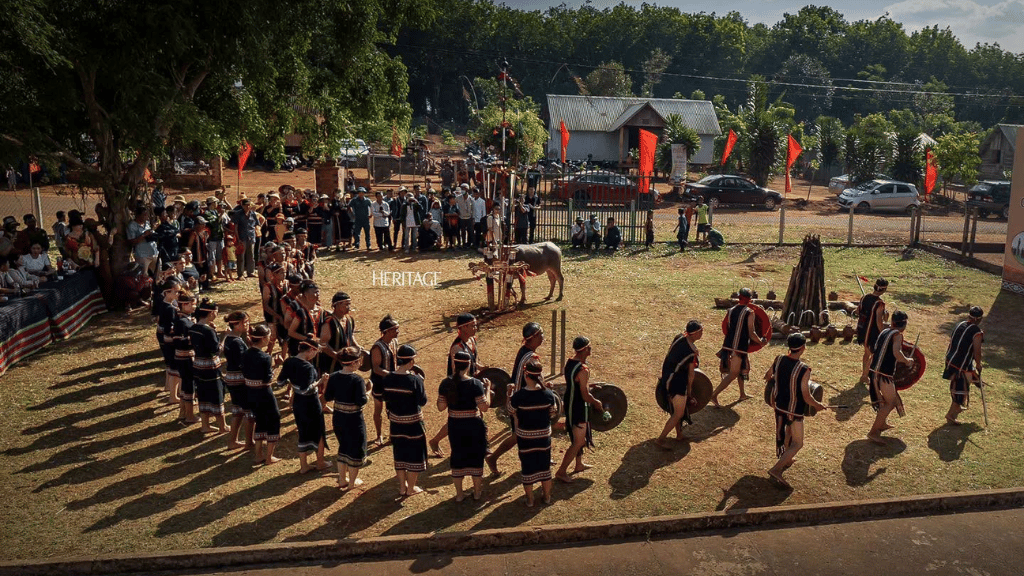
Central Highlands gong culture is closely woven into the major milestones of community life, from birth and naming ceremonies to weddings, healing rituals and the founding of new villages. In some ethnic communities, gong performances also mark the opening of a nhà rông, a traditional communal house with a high, distinctive roof that serves as the heart of village life.
Agricultural traditions provide further occasions for gong music. Before selecting land, clearing fields or sowing seeds, communities may hold ceremonies to seek protection from deities and pray for a good harvest. After the crops are gathered, the new rice festival becomes one of the most important events of the year. Gongs accompany offerings, traditional dances and communal celebrations, giving thanks for the harvest and bringing the farming cycle to a close.
Water ceremonies offer another window into Highland traditions. Water is vital to village life and rice cultivation, and rituals honoring water sources show how closely communities are bound to their landscape. Gongs accompany these celebrations, bringing villagers together around customs handed down for generations.
Music that speaks to the spirit world
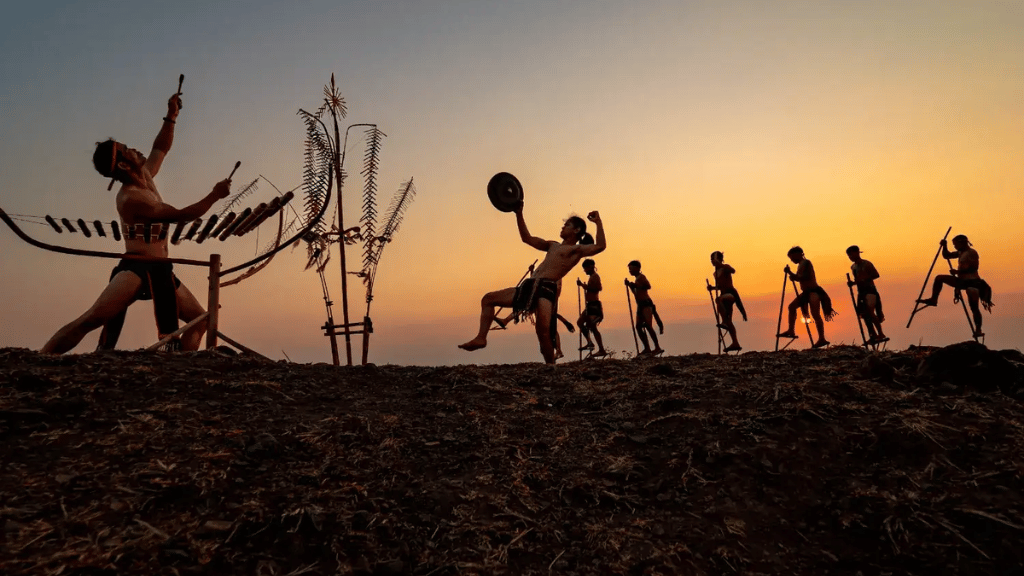
In the traditional beliefs of many Tay Nguyen communities, the sound of the gongs is a way of reaching the deities and unseen forces believed to protect the village, the fertility of the land and the success of the harvest.
This spiritual dimension is clearest in major communal rites such as the ritual buffalo sacrifice. Held on important occasions according to local custom, it can combine offerings, dances and gong music, with the rhythms guiding each stage of the ceremony.
Funeral customs are another key moment. In some communities, the lễ bỏ mả ceremony marks the end of mourning and the symbolic parting of the living from the departed, and the gongs play dedicated sequences for it. Practices and meanings differ from one ethnic group to the next: there is no single way to play the gongs, but a rich variety of traditions rooted in each community’s beliefs.
A different repertoire for every community and occasion
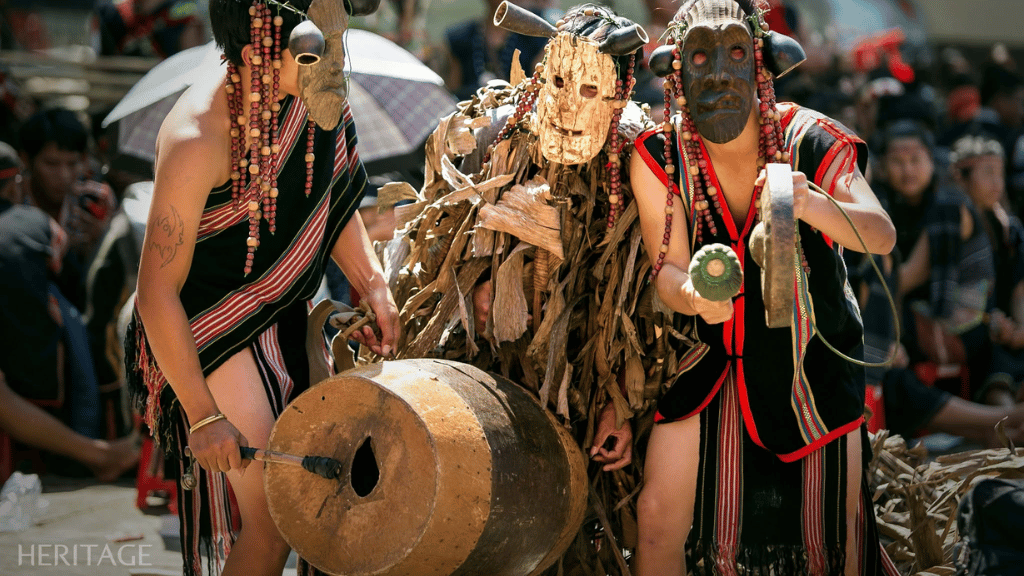
The richness of Central Highlands gong culture lies in the diversity of its musical repertoires, rhythms and performance styles. Each ethnic community has its own traditions, shaped by local customs and the occasion being celebrated. Some gong performances accompany village festivals and the welcoming of guests, while others are an essential part of funerals, agricultural ceremonies and spiritual rituals.
The techniques used to play the gongs also contribute to this diversity. Artisans strike the instruments with their fists or different types of mallets, depending on the gong and the sound they wish to produce. By adjusting where and how they strike the bronze surface, or by touching specific points to control its resonance, they create a wide range of tones and rhythms. These distinctive techniques reflect the musical knowledge passed down through generations and the cultural identity of each community.
This diversity is also reflected in the music’s ceremonial role. Some gong pieces, such as A tâu, are reserved for funeral rites, while others serve several occasions. Tơnơl, for example, accompanies ceremonies for buffalo sacrifice, communal land blessings and weddings, while Tơ đrăng is performed to celebrate victory.
For travelers seeking an authentic cultural experience in the Central Highlands, this variety is a reminder that hearing the gongs is not the same as understanding them. Knowing the occasion, the moment and the community behind a performance is what reveals its full meaning.
UNESCO recognition: protecting more than an instrument
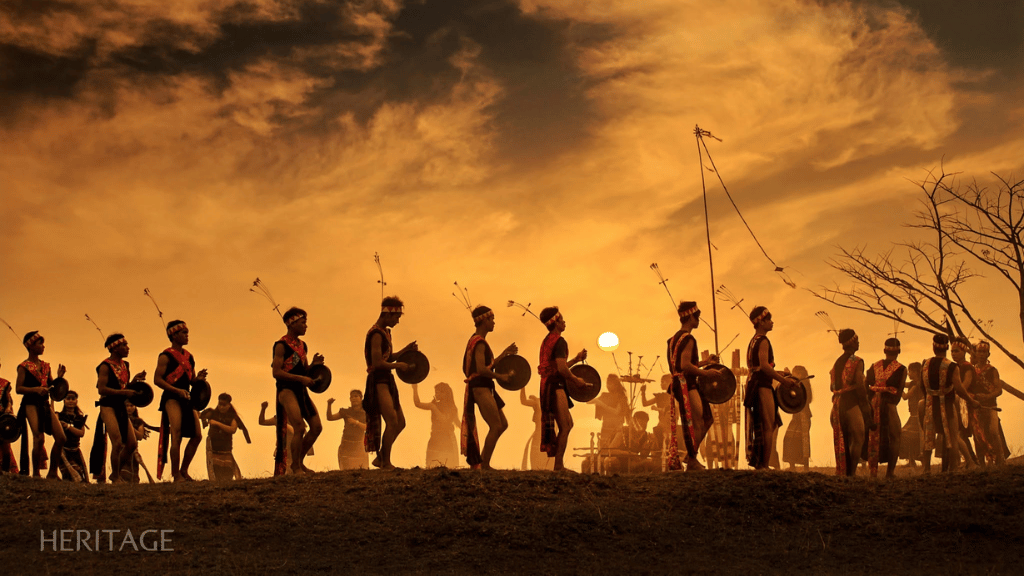
In 2005, UNESCO proclaimed Vietnam’s Space of Gong Culture a Masterpiece of the Oral and Intangible Heritage of Humanity. In 2008, it was inscribed on the Representative List of the Intangible Cultural Heritage of Humanity under the 2003 Convention.
This recognition highlights the importance of Central Highlands gong culture beyond the instruments and melodies themselves. It also celebrates the rituals, beliefs, traditional knowledge and skills that give this heritage its meaning. Deeply rooted in community life, gong music accompanies ceremonies, strengthens bonds between villagers and passes cultural values from one generation to the next, keeping the traditions of the Central Highlands alive.
Where to experience Central Highlands gong culture
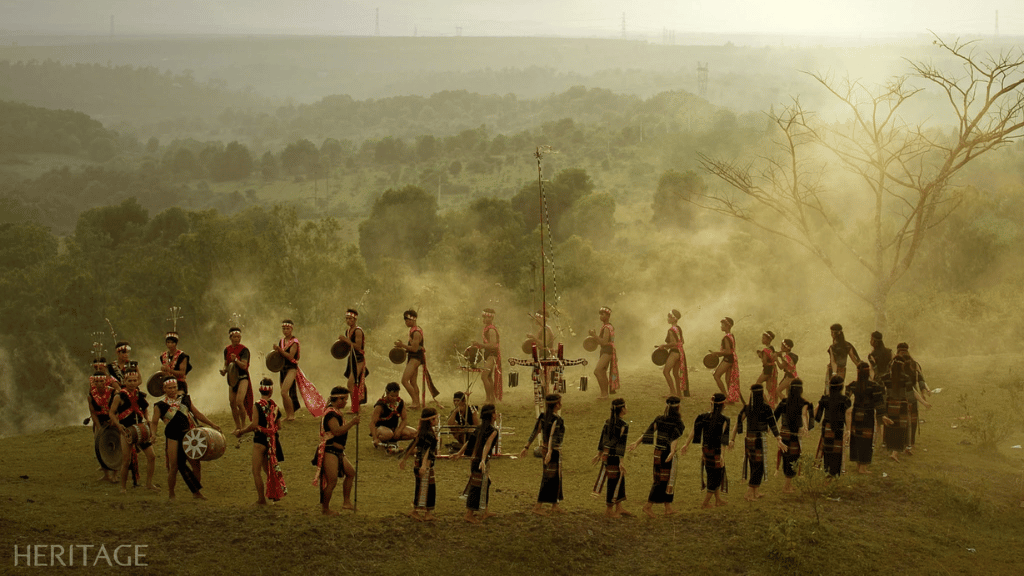
The best way to hear Highland gongs is to visit a village where the tradition is still alive, or to attend a cultural performance organized by the local communities. Several experiences in Tay Nguyen let you listen in context, among traditional communal houses, group dances and conversations with the people who keep these customs going.
Kon K’Tu village, near Kon Tum: meeting Bahnar culture
Just outside Kon Tum, Kon K’Tu is known for its Bahnar heritage and community-based tourism. The nhà rông, easy to spot by its towering roof, stands at the center of village life and is a good place to understand local traditions and the role of communal gatherings.
During certain cultural activities, visitors may be able to watch gong and traditional dance performances, and to see the village’s architecture and the Bahnar way of life up close. Ask a local guide or community tourism operator ahead of time to find out what is on during your stay.
Ako Dhong village, Buon Ma Thuot: Ê Đê heritage
In Buon Ma Thuot, Ako Dhong village is a chance to explore Ê Đê heritage, including its traditional longhouses and cultural practices. Gong performances can be arranged during some cultural activities, sometimes alongside traditional instruments, songs and dances.
This stop suits travelers who want to add a cultural experience to a stay in Vietnam’s coffee capital. Performances do not necessarily take place every day, so confirm the schedule with local organizers before you go.
Buon Don, Dak Lak: an evening of Highland culture
The Buon Don area of Dak Lak province is also linked to the traditions of Highland communities. Some excursions offer cultural evenings built around the gongs, with traditional dances and time to meet villagers. Depending on the program, you may see the xoang dance and share rượu cần, a traditional fermented drink enjoyed in a group through long straws.
To get the most from the evening, choose a program that explains the context of the music and dances rather than offering simple entertainment. Times and content vary by operator, so book in advance to know exactly what is included.
Cultural festivals across Tay Nguyen
Festivals celebrating the region’s ethnic cultures offer another opportunity to experience Central Highlands gong culture firsthand. These events bring together musicians, dancers and artisans from different communities, showcasing traditional gong performances, folk dances, local crafts and other cultural activities. They also provide a glimpse into the customs and heritage that make Tây Nguyên unique.
Several regional festivals feature gong music as a central attraction. Before planning a visit, check the local cultural calendar for confirmed dates, venues and event programs to find opportunities to experience this living tradition.
FAQs
1. What are traditional Highland gongs made of?
Traditional gongs are made mainly of bronze, a metal alloy. Its composition and the techniques used to make each gong shape the instrument’s sound
2. Which provinces and ethnic groups are linked to gong culture?
Gong culture spans five provinces of the Central Highlands: Kon Tum, Gia Lai, Dak Lak, Dak Nong and Lam Dong. Groups that keep the tradition alive include the Bahnar, Sedang, Jarai, Ê Đê, M’Nông, Co Ho, Mạ and Rơ Măm
3. What is the best way to experience gong culture?
Meet local communities, or attend a performance that comes with an explanation of Tay Nguyen traditions. A local guide can help you understand the meaning of the rhythms, instruments and dances
4. What is a nhà rông, and why does it matter for gong performances?
A nhà rông is a traditional communal house with a tall, soaring roof, and it stands at the center of village life in many Highland communities. Gongs may be played during celebrations marking the opening of a new nhà rông, and the house remains a natural gathering place for performances and community events
5. When are gongs played during the farming year?
Gongs accompany several moments of the agricultural calendar. Ceremonies can be held before choosing land, clearing fields or sowing, to ask the deities for protection and a good harvest. After the harvest, the new rice festival brings offerings, dances and gong music to close the farming cycle, and rituals honoring water sources are also marked with gongs
Image source: Heritage – Vietnam Airlines’ Inflight Magazine
The gongs of the Central Highlands offer a rare window into the beliefs and traditions of Tay Nguyen’s communities. To truly understand this region, nothing beats being there: village by village, in conversation with local people, through cultural experiences that give this living heritage its meaning.
Adding the Highlands to a Vietnam itinerary reveals a lesser-known side of the country and gives you time to appreciate its diversity. Hanoi Voyages can help you design a tailor-made trip around your interests and the regions you most want to explore.

Let us help you plan an unforgettable trip!




 Google
 Facebook
 Tripadvisor
 Trustindex


