


Thailand festivals are one of the best ways to truly experience the country’s vibrant culture, rich traditions, and joyful atmosphere. From colorful water celebrations to magical lantern-filled nights, each festival offers a unique glimpse into local life across different regions of Thailand.
If you’re planning a trip and wondering when to go, timing your journey around the most iconic Thailand festivals can turn a simple vacation into an unforgettable cultural adventure. In this guide, discover 7 must-visit Thailand festivals that bring together tradition, celebration, and authentic travel experiences you shouldn’t miss.
Table of Contents
Thailand festivals: a closer look at culture, traditions and local life
Thailand festivals are more than colorful events – they reflect the country’s culture, beliefs and way of life. Celebrated throughout the year, these festivals follow the rhythm of seasons and traditions, from spiritual ceremonies in temples to lively gatherings in the streets.
Many Thailand festivals are rooted in Buddhism, where locals make merit, offer food to monks and take part in meaningful rituals. Beyond their spiritual side, these celebrations also bring communities together, creating vibrant atmospheres filled with music, performances and local specialties.
For travelers, joining Thailand festivals is one of the most authentic ways to experience the country. It offers a deeper connection with local life, far beyond typical sightseeing.
Some festivals are especially well known for their unique experiences. Songkran, the Thai New Year, turns the whole country into a joyful water celebration. Loy Krathong and Yi Peng create a peaceful and magical scene with floating offerings and lanterns lighting up the night. In Phuket, the Vegetarian Festival stands out for its strong traditions and striking rituals.
Together, these Thailand festivals highlight the diversity of the country and offer memorable moments where culture and daily life naturally come together.
Top 7 traditional festivals in Thailand
If you want to truly experience Thai culture, some Thailand festivals are simply not to be missed. More than just events, they offer a unique glimpse into local traditions and the vibrant spirit of the country.
In the following, you’ll discover when these festivals take place, what makes each of them special, and where to experience them in the most authentic way.
Songkran (Water Festival)

Date: 13th April – 15th April
Songkran, also called “Water festival”, is held annually by the locals in celebration of the Thai New Year, celebrating from April 13 to 15 each year, but often extending longer in many areas. It marks the transition from the dry season to the rainy season, symbolizing new beginnings and the cleansing of bad luck.
Originally, it was a time for family reunions, religious ceremonies and paying respect to elders, but today it has evolved into one of the world’s largest and most fun water festivals. Thai people clean their homes, visit temples to offer prayers and make merit for the new year. The most famous aspect of Songkran is the water fight. People take to the streets with water guns, buckets and hoses to splash water on each other. This tradition is rooted in the belief that water can wash away bad luck and sins, bringing a fresh start for the new year.
While Songkran is celebrated nationwide, some cities are famous for their elaborate and large-scale festivities.
- Chiang Mai: Known for its vibrant street parties, parades and traditional rituals, Chiang Mai hosts one of the largest Songkran celebrations in the country.
- Bangkok: In the capital, the streets turn into a giant water fight zone, especially around Khao San Road, where both locals and tourists gather for the festivities.
- Phuket: The island of Phuket celebrates with water fights, especially in Patong beach, attracting visitors from around the world.
Loy Krathong (the Lantern Festival)

- Time: full moon night of the 12th Thai lunar month (usually in November).
- Location: across Thailand, best experienced in Sukhothai, Chiang Mai and Bangkok.
Loy Krathong, also known as the Lantern Festival, is celebrated on the evening of the 15th full moon of the Thai lunar calendar, usually in November. The festival honors the Goddess of Water, Pra Mae Khongkha and the Buddha, seeking blessings for good weather and crops. The name “Loy Krathong” means “floating banana trunk,” referring to lanterns made from banana leaves, flowers and shaped like lotus boats.
Loy Krathong has deep cultural and spiritual roots, originating over 800 years ago during the Sukhothai Kingdom. During the Loy Krathong festival, the most famous activities include releasing krathongs, small boats made of banana leaves, into rivers to symbolize letting go of past misfortunes and making wishes for the future. In addition to this, many people participate in parades featuring beautifully decorated floats, enjoy traditional Thai dance performances and visit temples to honor the Goddess of Water and the Buddha.
Some famous places to celebrate Loy Krathong include:
- Chiang Mai – Known for its stunning parades, decorated temples and the Yi Peng Lantern Festival, where thousands of lanterns are released into the sky and on the Mae Ping River.
- Ayutthaya – The ancient capital features grand celebrations near the historical temples, with beautiful light displays and floating lanterns along the riverside.
- Sukhothai – As the birthplace of Loy Krathong, Sukhothai hosts a traditional and historical celebration, with stunning lantern displays at the UNESCO World Heritage site.
Phi Ta Khon (Ghost Festival)

- Time: late June or early July, lasting 3 days.
- Location: Dan Sai district, Loei province in Isan.
Phi Ta Khon, also known as the “Ghost Festival,” is one of the vibrant Thailand festivals 2025 and takes place in mid-June in Dan Sai, Loei Province, northeastern Thailand. The festival honors Prince Vessandorn, a former Buddha, who was believed to have died during a long journey but later returned to life. This event marks the celebration of his return and has evolved into the lively, colorful Ghost Festival, which also serves as a way to pray for a good harvest.
Phi Ta Khon is deeply rooted in Thai folklore and spirituality. The Phi Ta Khon festival is famous for its large parade where participants wear elaborate ghost masks. These masks are typically white, with long noses, sharp teeth and fierce eyes. Visitors can also join in by making their own masks or buying them from street vendors during the parade.
The festival also features traditional dances, local games and performances by female dancers in colorful costumes, adding to the celebration’s charm and excitement. Tourists are encouraged to capture the festivities on camera and immerse themselves in the unique atmosphere of this one-of-a-kind event.
Bun Bang Fai (Rocket Festival)

- Time: May or early June, before the rainy season
- Location: Isan (northeastern Thailand), especially Yasothon
The Boon Bang Fai, or Rocket Festival, is held annually in May in Yasothon Province in northeastern Thailand, marking the start of the rainy season. The festival is a traditional way to pray for rain and ensure a good harvest.
Villagers create homemade rockets made of plastic, bamboo, or wood and launch them into the sky, with the highest-flying rocket winning a cash prize. The rockets are paraded through the village before being launched and those whose rockets fail are playfully punished with a mud bath. The festival is accompanied by traditional music and the enjoyment of local rice wine.
While Yasothon is the main hub, other farming communities in northeastern Thailand also celebrate this event, drawing tourists from around the world to witness the lively competition and unique cultural traditions.
Chiang Mai flower festival
- Time: first weekend of February
- Location: Chiang Mai, northern Thailand
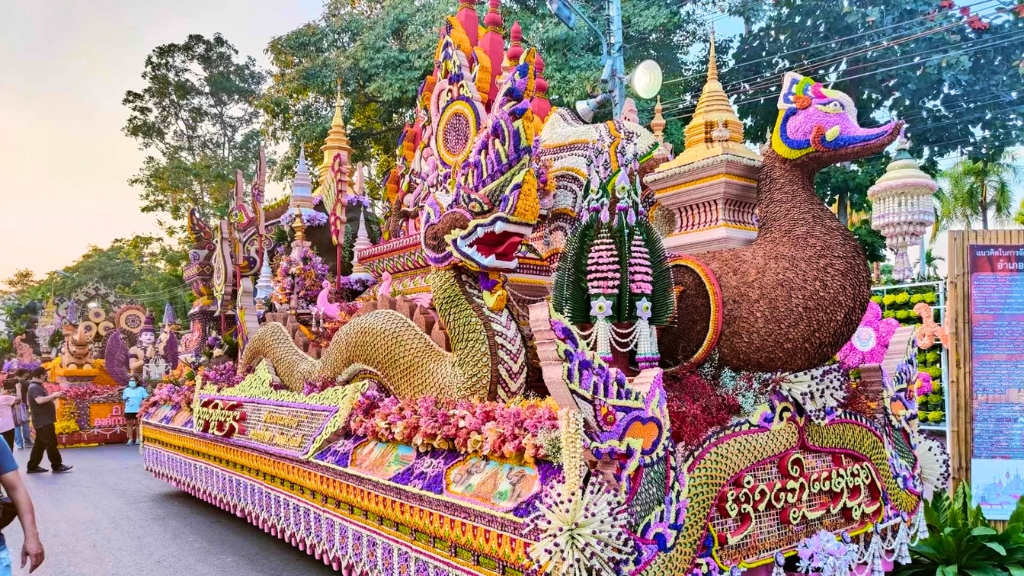
Every year, Chiang Mai transforms into a vibrant floral paradise during the Chiang Mai Flower Festival, making it a must-visit event for lovers of beauty and nature. Held in early February, when the cool northern climate is at its best, the city bursts into color with countless blooming flowers, especially the fragrant Damask roses.
The highlight of the festival is the spectacular flower parade, where beautifully decorated floats made from thousands of fresh blossoms move through the streets like living works of art. Visitors can also enjoy traditional Lanna cultural performances, beauty contests, and a lively atmosphere that reflects the region’s unique identity.
Beyond the main events, strolling through the local flower markets is an experience in itself, offering a wide variety of flowers, handicrafts, and local products. Altogether, the festival creates a perfect blend of culture, creativity and natural beauty.
Yi Peng Lantern Festival

- Time: held during Loy Krathong (full moon night of the 12th Thai lunar month)
- Location: mainly in Chiang Mai
Yi Peng is one of the most enchanting festivals in northern Thailand, with Chiang Mai at the heart of the celebration. Taking place on the same night as Loy Krathong, it is a time to let go of the past and welcome new beginnings with hope and intention.
As night falls, the city slowly transforms into a dreamlike scene. Thousands of glowing lanterns are lit and released into the sky, drifting upward in silence. Each lantern carries a wish, a prayer, or a quiet goodbye to the past, creating a moment that feels both deeply personal and beautifully shared.
More than just a visual spectacle, Yi Peng offers a rare sense of calm and connection. Standing beneath a sky filled with light, visitors are not just watching a festival – they become part of a meaningful and unforgettable experience.
Khao Phansa Festival
- Time: July or August (Thai lunar calendar)
- Location: celebrated nationwide, with the most notable events in Ubon Ratchathani
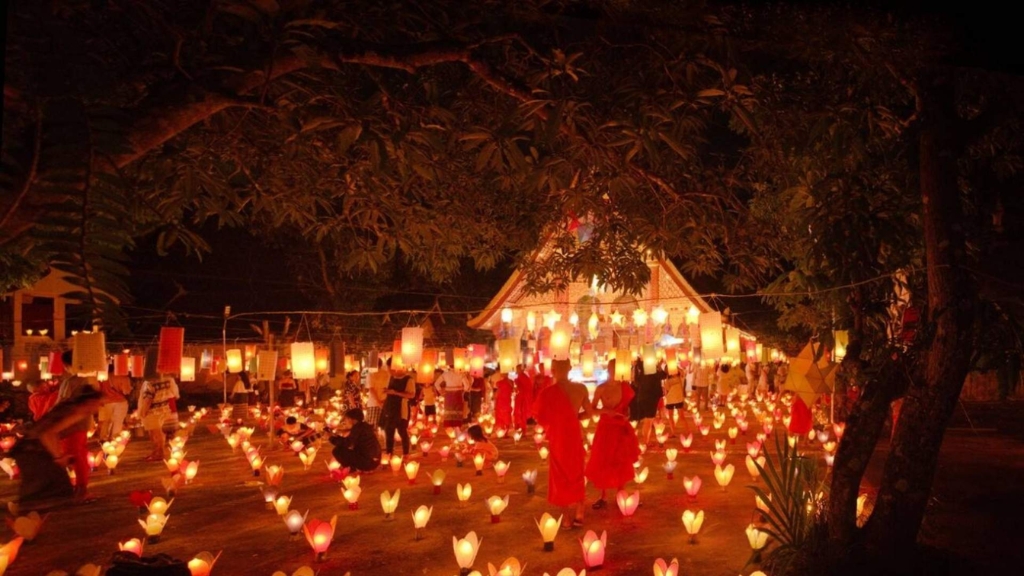
Khao Phansa marks the beginning of the Buddhist Lent, a deeply significant period in Thai spiritual life. As the rainy season begins, monks enter a three-month retreat within temple grounds, dedicating their time to meditation, study and reflection.
During this time, temples across Thailand become places of quiet devotion, where locals gather to make merit, offer candles and incense, and take part in meaningful rituals. The atmosphere is calm yet deeply spiritual, offering visitors a glimpse into the country’s strong religious traditions.
In Ubon Ratchathani, the festival takes on a more vibrant scale with its famous candle procession. Massive, intricately carved wax sculptures are paraded through the city, depicting scenes from Buddhist mythology and local folklore. This unique blend of spirituality and artistry makes Khao Phansa a truly memorable cultural experience.
At Hanoi Voyages, we offer a variety of exciting Thailand tour packages tailored to your preferences. CHOOSE AN IDEA, and we will plan your trip together!
How to travel in Thailand and get to these festival
To experience these festivals, here’s a guide on how to get to each of them with various transportation options. Whether you’re traveling by plane, bus, or train, we’ve got you covered with the best routes to make your journey smooth and enjoyable.
How to get to Thailand
To reach Thailand from Canada, there have some available options for you
- If you are flying from Vancouver International Airport in Vancouver to Suvarnabhumi Airport in Bangkok, this flight takes an average of 19 hours.
- Flying from Vancouver Airport to Chiang Mai International Airport takes around 23 hours
To reach Thailand from the UK, you can choose some options
- From Heathrow Airport to Bangkok International Airport, this flight can take around 14 hours
- If you are flying from London City Airport to Bangkok International Airport, the direct flight can last up to 16 hours
Getting to these festivals
In Thailand, getting around is easy and affordable with a wide range of transportation options. Here’s an overview of the most popular modes of transport for exploring some Thailand festivals.
MRT (Metro)
The MRT is a fast and efficient way to navigate cities like Bangkok, especially during peak hours. Fare prices range from 16 to 42 Baht, depending on how far you’re traveling.
BTS skytrain

A favorite in Bangkok, the BTS Skytrain offers a quick way to travel around the city. Ticket prices start at 16 Baht for short trips and can go up to 59 Baht for longer distances. It’s advisable to buy tickets in advance to save both time and money.
Public bus
Public buses are a budget-friendly option, with fares between 8 to 30 Baht, depending on the route and distance traveled.
Taxi
Taxis in Bangkok are affordable, with a base fare of 35 Baht and an additional 5 Baht charged for every kilometer. To avoid overpaying, always ask the driver to use the meter.
River taxi and ferries
For a unique experience, take a River Taxi or a ferry on the Chao Phraya River. River Taxi fares start at 15 Baht, while ferries cost between 3 and 5 Baht, depending on your destination.
Tuk-tuk

The tuk-tuk is quite essential for Thai festival experience, offering an exciting and traditional mode of transport. Common in cities like Bangkok, Chiang Mai and Pattaya, tuk-tuk fares vary based on distance and negotiation. Prices generally start at around 30-50 Baht for short rides.
Exploring the cuisine of Thailand’s festivals
One of the most delightful aspects of Thailand’s festivals 2025 is the rich variety of traditional festival cuisine that comes with them. During festivals, Thai cuisine is not only a treat for the taste buds but also carries deep cultural and spiritual significance.
Khao chae
Khao Chae, a traditional dish enjoyed during the Songkran festival, is a refreshing treat made with rice soaked in cold water, served with ice and accompanied by fragrant herbs and various sides. It symbolizes purity and renewal for the year ahead.
Khanom krok

Khanom Krok, a sweet coconut milk dessert served in small round portions, is a favorite during the Loy Krathong festival. The crispy outer layer contrasts with the creamy coconut filling inside, creating a delightful texture. Khanom Krok is often offered to the Goddess of Water, symbolizing good fortune and a peaceful year ahead.
Moo ping
Moo Ping or grilled pork skewers, a beloved street food during the Bun Bang Fai festival, consists of tender marinated pork skewers grilled to perfection. The sweet and savory flavors of Moo Ping, combined with sticky rice, are perfect for festival gatherings, where locals celebrate with food, fun and homemade rockets.
Tom yum goong

Tom yum goong is a popular Thai soup made with prawns, lemongrass, lime leaves and chili. It has a spicy, sour flavor, with the prawns adding a delicious touch. This soup is often served at many Thai festivals and is loved for its bold, refreshing taste.
Pad Thai

Pad Thai is a famous stir-fried noodle dish made with rice noodles, eggs, tofu or shrimp, bean sprouts and peanuts. The sweet, salty and sour sauce adds a unique flavor, making it a favorite street food in Thailand. Pad Thai is a must-try dish during festivals and everyday meals.
Tips for experiencing Thailand’s festivals
When travelling to Thailand, it is essential to plan beforehand to fully enjoy your trip. In order to prevent any embarrassing or unpleasant situations, you should educate yourself on local laws, customs and inappropriate behavior. Find some useful travel tips for a hassle-free and enjoyable trip to Thailand festivals in this article!
Travel planning
When planning your trip to Thailand for its festivals, it’s essential to note some tips.
- Research the specific dates of the festivals, as many follow the lunar calendar and may change each year.
- Book accommodations in advance, especially in festival hubs like Chiang Mai, Bangkok, or Chonburi, as these events attract large crowds.
- Consider traveling during the off-peak season to avoid the busiest times and get better deals on flights and lodging.
Cultural etiquette
For cultural etiquette, you should notice some traditions.
- Respect for local customs is important in Thailand festivals.
- Dress modestly, especially when visiting temples or participating in religious activities.
- Avoid public displays of affection and always show respect to elders and monks. Some festivals, like Loy Krathong, are spiritual, so be mindful of the traditions and prayers associated with the rituals.
- Always remove your shoes before entering temples or homes and be cautious of loud behavior or disruptions during solemn events.
Maximizing the experience
To fully immerse yourself in Thailand festivals, you should notice.
- Participate in local traditions like launching a krathong at Loy Krathong, wearing a traditional costume for Songkran, or trying to make your own rocket at the Boon Bang Fai festival.
- Don’t forget to sample local food, often made special for the occasion and engage with locals who can offer a deeper understanding of the festival’s meaning.
- Arriving early at the festival site will give you a better spot to view parades and ceremonies, while also avoiding crowds.
FAQs
1. What is the famous festival in Thailand?
Thailand’s two most famous festivals are Songkran (the vibrant Thai New Year water fight) and Yi Peng/Loy Krathong (the breathtaking festival of lights)
2. When is the best time to experience Thailand festivals?
The best time is between November and April, when many major festivals like Loy Krathong, Yi Peng, and Songkran take place.
3. Are Thailand festivals tourist-friendly?
Yes, most Thailand festivals are very welcoming to tourists, offering a chance to join local traditions and celebrations.
4. Which destinations are best for specific Thailand festivals?
Chiang Mai for Yi Peng, Bangkok for Songkran, Phuket for the Vegetarian Festival, and Isaan region for Phi Ta Khon
5. Are Thailand festivals tourist-friendly?
Yes, most Thailand festivals are very welcoming to tourists, offering a chance to join local traditions and celebrations
Thailand festivals are more than just colorful celebrations — they are a true reflection of the country’s culture, spirituality and joyful way of life. From the magical lanterns of Yi Peng to the lively water fights of Songkran, each festival brings a unique energy that can turn your trip into an unforgettable experience.
If you’re planning a journey to Thailand, timing your visit with one of these iconic festivals is the best way to dive deeper into local traditions and create meaningful memories. Don’t just visit Thailand – feel it, live it and celebrate it.
Ready to plan your vibrant Thai adventure? Explore more travel tips, itineraries and cultural guides on our blog, and start designing a trip filled with unforgettable festival moments today!




 Google
 Facebook
 Tripadvisor
 Trustindex


