


Travel Indochina in summer means experiencing the region at its most intense, with high temperatures, heavy humidity and in some areas the early arrival of monsoon rains. These conditions naturally shape the rhythm of daily life, encouraging early starts, slower midday hours and more active evenings.
Travel Indochina in summer remains a highly rewarding experience when approached with the right preparation. With a well-planned itinerary, appropriate transport choices, smart packing and a good understanding of seasonal conditions, you can travel comfortably across Vietnam, Laos and Cambodia. This guide brings together practical, field-tested advice to help you plan efficiently and enjoy your journey with confidence.
Table of Contents
Indochina in summer: regional weather patterns you should know
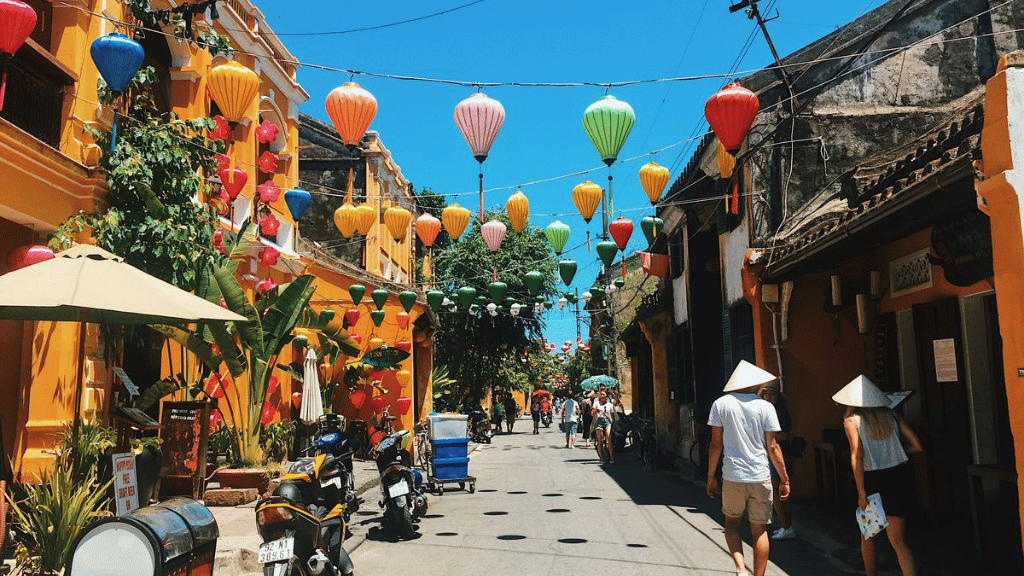
Before diving into packing lists and itineraries, it’s important to understand that “summer” doesn’t play out the same way across Indochina. Vietnam, Laos and Cambodia share a tropical climate, but peak heat periods and humidity levels vary significantly depending on geography.
As a general rule, the hottest season falls in the months leading up to the monsoon — roughly March to June depending on the area. Daytime temperatures regularly exceed 32°C and the sensation of heat is intensified by high humidity.
Peak heat periods by destination:
| Destination | Hottest Period | Average Temperatures | Humidity |
| North Vietnam (Hanoi, Ha Long Bay) | May – June | 30–38°C | High – heat intensified before monsoon |
| Central Vietnam (Hue, Hoi An, Da Nang) | May – July | 32–39°C | Moderate – drier heat, but intense |
| South Vietnam (Ho Chi Minh City, Mekong Delta) | March – May | 33–38°C | High – consistent heat before rainy season |
| Laos (Vientiane, Luang Prabang) | March – May | 35–40°C | Moderate – very hot and dry |
| Cambodia (Phnom Penh, Siem Reap) | March – May | 34–39°C | Moderate to high – fierce heat ahead of rains |
Good to know: April is typically the hottest month across the entire Indochinese peninsula. It also coincides with the Khmer New Year (Cambodia), the Lao New Year and the Thai New Year – a period of intense, joyful celebrations that locals embrace despite or perhaps because of the heat.
Health and safety in hot weather: how to stay well while traveling
This is the section most travelers are tempted to skip — but it’s the one that can make or break your trip. A case of heat exhaustion mishandled can turn a dream day at Angkor into a medical emergency. A few straightforward precautions are all it takes to travel safely.
Staying safe in the heat: hydration and heat illness awareness
Heat exhaustion sets in when prolonged sun exposure causes the body to overheat. Symptoms build gradually: sudden fatigue, headaches, nausea, flushed and dry skin. If body temperature climbs above 39°C, you’re dealing with heatstroke — a genuine medical emergency.
Prevention is simple:
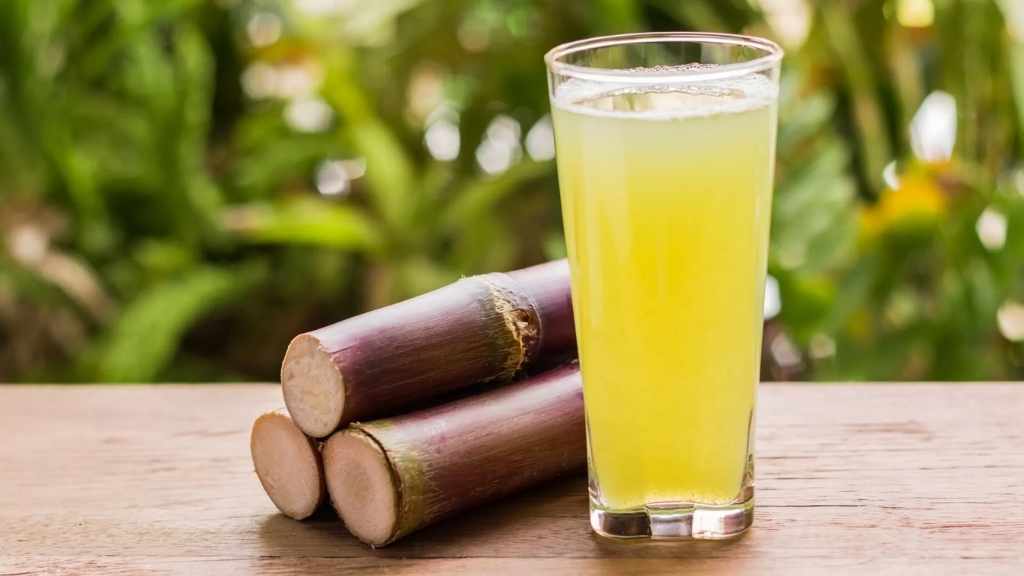
- Drink a minimum of 2 litres of water per day, more if you’re walking or visiting outdoor sites.
- Stick to sealed bottled water or filtered water – tap water is not safe to drink in most Indochinese cities.
- In extreme heat, use oral rehydration salts (available at local pharmacies in sachet form).
If you notice confusion, an absence of sweating despite intense heat, or a high fever, seek medical attention immediately. International clinics operate in Hanoi, Ho Chi Minh City, Phnom Penh and Vientiane.
Essential vaccines and health tips for summer travel
The summer season coincides with higher activity levels for certain disease-carrying mosquitoes:
- Dengue fever is present year-round but peaks in warm, humid conditions. No vaccine is routinely recommended for short-stay travelers; prevention relies on effective mosquito repellent.
- Malaria is a concern primarily in rural and forested areas of Cambodia, Laos and parts of Vietnam. Consult your doctor or a travel medicine clinic before departure for a prophylaxis tailored to your itinerary.
- Recommended vaccinations for Indochina generally include: Hepatitis A and B, typhoid, up-to-date DTP and rabies for travelers heading into remote areas.
Always check the latest recommendations from the WHO and your country’s foreign affairs ministry before you travel — they are updated regularly.
Travel health checklist: essential items for hot weather trips
Don’t leave home without these:
- Sunscreen SPF 50+ — high protection is essential; reapply every two hours
- DEET-based mosquito repellent (30–50%) or icaridin for sensitive skin
- Citronella or lemon eucalyptus spray — a gentler natural alternative
- Antihistamines for reactions to bites or heat rash
- Travel thermometer and oral rehydration sachets
- Basic first-aid kit: anti-diarrheal medication, antiseptic, plasters
Travel Indochina in summer: essential clothing and packing checklist for travelers
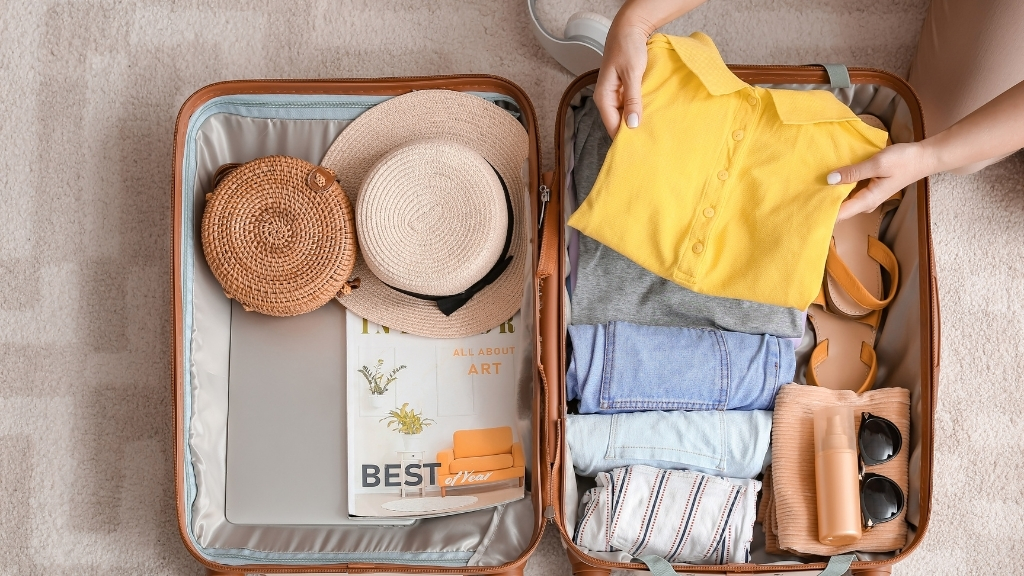
When traveling in Indochina during summer, packing is less about style and more about practicality. In extreme heat, especially with high humidity, the right clothing and accessories can significantly improve your comfort throughout the day. Most travelers quickly realize that simplicity and functionality are the key.
Clothing that works in real conditions
In hot climates, breathable and lightweight materials are essential. Fabrics such as cotton and linen perform best because they allow airflow, absorb moisture and dry quickly after washing. Loose-fitting clothing is also far more comfortable than tight outfits, particularly when temperatures exceed 35°C. Think relaxed t-shirts, airy shirts and lightweight trousers that allow easy movement. A simple, versatile wardrobe is often enough for both daytime sightseeing and casual evening outings.
Dressing appropriately for cultural sites
In Vietnam, Laos and Cambodia, many temples and religious sites require modest dress, meaning shoulders and knees should be covered. A lightweight scarf, shawl, or long-sleeved shirt is a practical item to always keep in your daypack. It helps you adapt quickly when visiting sacred places and avoids the inconvenience of having to purchase cover-ups on-site.
Essential accessories for hot weather travel
A few well-chosen accessories can make a big difference in daily comfort:
- A hat or cap is essential for sun protection during outdoor visits
- Sunglasses help reduce the intensity of strong midday glare
- A reusable water bottle is important, as staying hydrated requires constant attention
- Wet wipes or a cooling towel provide quick relief during long, hot days
- A lightweight daypack is useful for carrying daily essentials comfortably
Practical travel tip: pack light and wash often
One of the most useful travel insights in Indochina is that laundry services are widely available, affordable and fast. Hotels, guesthouses and local laundries can easily handle daily washing. As a result, there is no need to overpack. Most experienced travelers rotate a small number of outfits—typically four to five sets—washing them regularly rather than carrying excess clothing.
How to plan your day in Indochina during hot weather
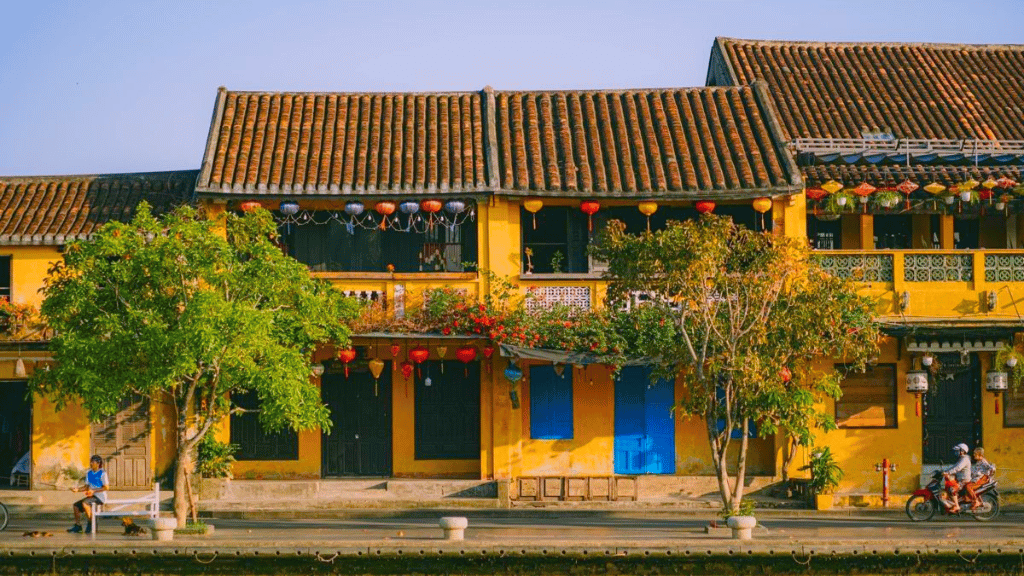
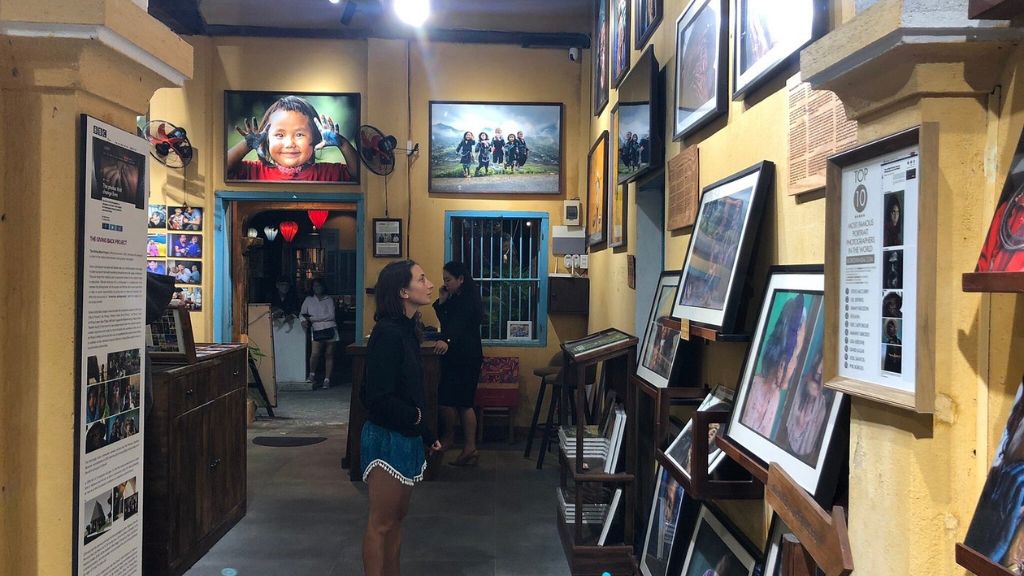
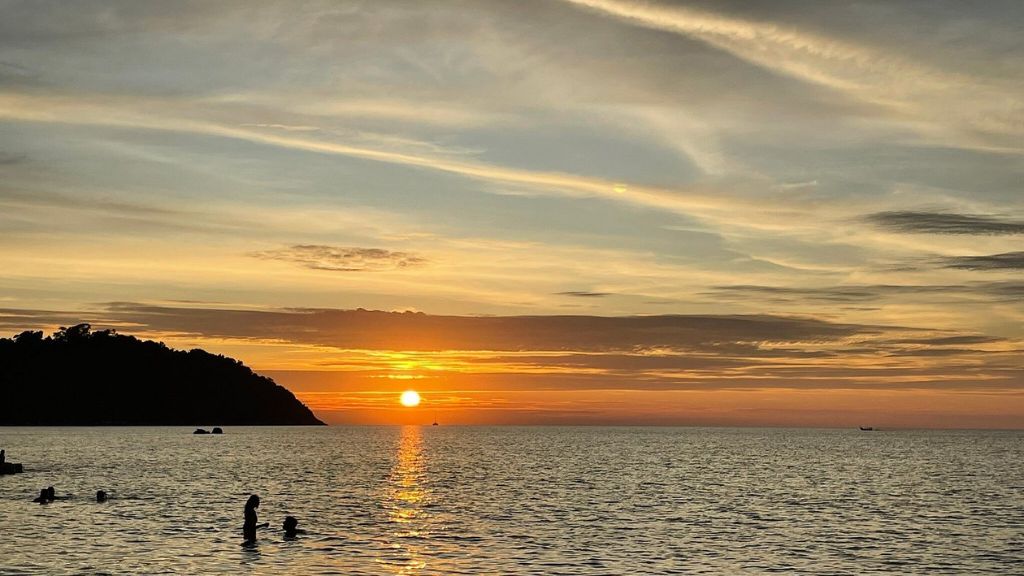
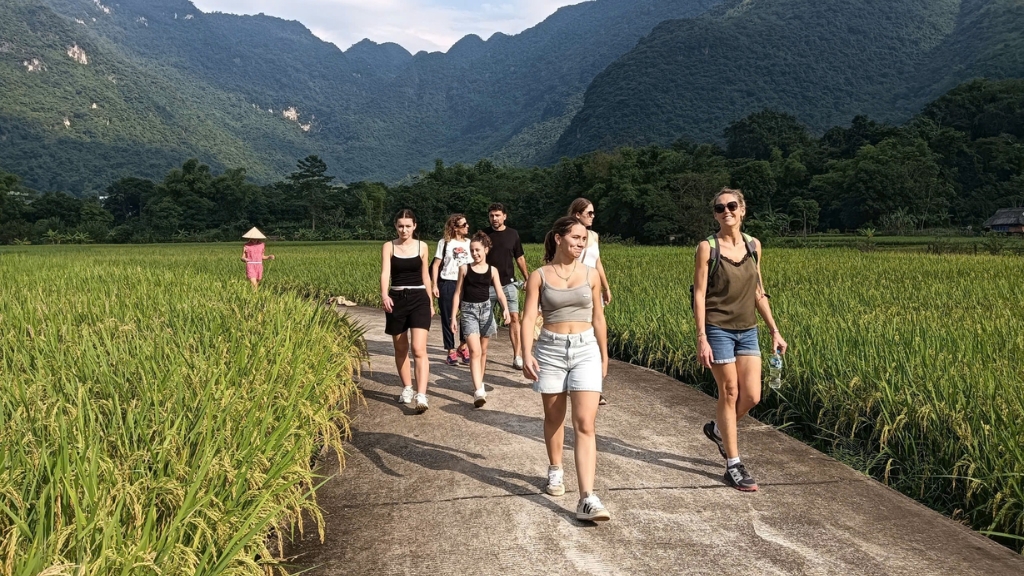
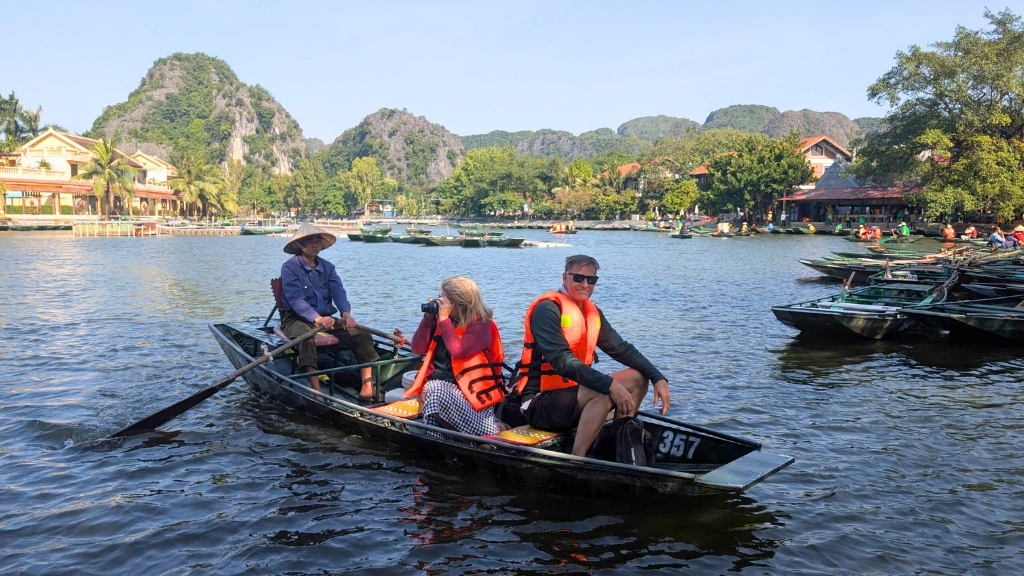
The main challenge of traveling in Indochina during summer is not simply the high temperature itself, but how you structure your day around it. Locals naturally adjust their routines to the cooler hours and following this rhythm is one of the most effective ways for travelers to stay comfortable and enjoy the experience fully.
- Early morning (6:00–9:30 AM): This is the most comfortable time of the day for outdoor exploration. Temperatures are still relatively mild, the light is soft and major attractions are often quieter. It is also when local markets are at their most active and authentic, offering a vibrant start to the day.
- Late morning to early afternoon (10:00 AM–3:30 PM): This is typically the hottest period. During these hours, it is advisable to limit outdoor activities and prioritize indoor or shaded environments. Museums, cafés, air-conditioned restaurants, or simply resting at your accommodation are the most suitable options. This pause is not wasted time—it helps preserve energy for later in the day.
- Late afternoon (4:00–7:00 PM): As temperatures begin to drop, conditions become more comfortable again for sightseeing. This is a good time to resume walking tours, explore neighborhoods, visit markets, or enjoy riverside and street life as the city slowly becomes more active.
- Evening (after 7:00 PM): Evenings are often the highlight of summer travel in Indochina. Night markets, pedestrian streets and open-air dining areas come alive, offering a cooler and more atmospheric way to experience local culture.
How to travel in Indochina: complete guide to transportation options
Traveling across Indochina during the summer months requires a more strategic approach to transport than at other times of the year. High temperatures and humidity can quickly increase fatigue, so choosing the right combination of transport options helps you stay comfortable, efficient and fully enjoy your journey.
Overnight trains and buses for long distances
For longer intercity routes, overnight transport remains one of the most effective solutions.
- In Vietnam, overnight trains linking Hanoi, Hue and Da Nang allow travelers to cover significant distances while resting, minimizing exposure to daytime heat.
- In Laos and Cambodia, long-distance overnight buses serve a similar purpose between major cities and are generally a practical and cost-effective option. While comfort levels vary depending on the operator, these services are widely used by both local and international travelers for time efficiency during hot periods.
Domestic flights: the most efficient option in summer
When time and comfort are priorities, domestic flights are often the most reliable choice in Indochina during summer. They significantly reduce travel time and eliminate long hours on heated roads.
- Vietnam has frequent connections between Hanoi, Da Nang and Ho Chi Minh City.
- Cambodia offers a short and convenient Phnom Penh–Siem Reap route.
- Laos flights between Vientiane, Luang Prabang and Pakse help avoid long and tiring overland journeys, which can be particularly demanding in high temperatures.
In general, flying is recommended for covering medium to long distances when traveling in peak summer conditions.
Tuk-tuks, scooters and bicycles: best used at cooler hours

Local transport such as tuk-tuks, scooters and bicycles remains an essential part of the travel experience in cities like Hoi An, Siem Reap and Luang Prabang. However, in summer conditions, timing plays a key role. These modes of transport are best used early in the morning or later in the afternoon, when temperatures are lower and travel is more comfortable. During midday hours, it is advisable to avoid prolonged exposure to outdoor heat, particularly in open vehicles.
Discover the best ways to move around Vietnam, Laos, and Cambodia in our guide:
Transportation in Vietnam: Best options for getting around
Transportation in Laos: The best ways to get around during your trip
Transportation in Cambodia: Everything you need to know
How to avoid heat fatigue with smart eating and drinking while traveling
When traveling through Indochina in the summer heat, how you eat and drink each day can greatly influence your energy, comfort and overall experience. A few simple, mindful choices are often enough to keep you feeling fresh and ready to explore from morning to evening.
Stay hydrated all day, not just when thirsty
In hot climates, hydration should be continuous rather than reactive. Keep a bottle of water within reach and sip regularly throughout the day, even if you don’t feel thirsty. Sealed bottled water remains the safest option, while fresh coconut water is an excellent natural boost to replace minerals lost through sweating during long walks or sightseeing.
Keep midday meals light and easy
The hottest hours of the day are not ideal for heavy eating. Between late morning and mid-afternoon, choose simple, gentle meals such as noodle soups, steamed rice with vegetables, or light local dishes. Eating lightly helps your body stay cool and prevents that sluggish feeling that can slow down the rest of your day.
Enjoy tropical fruits in the right way
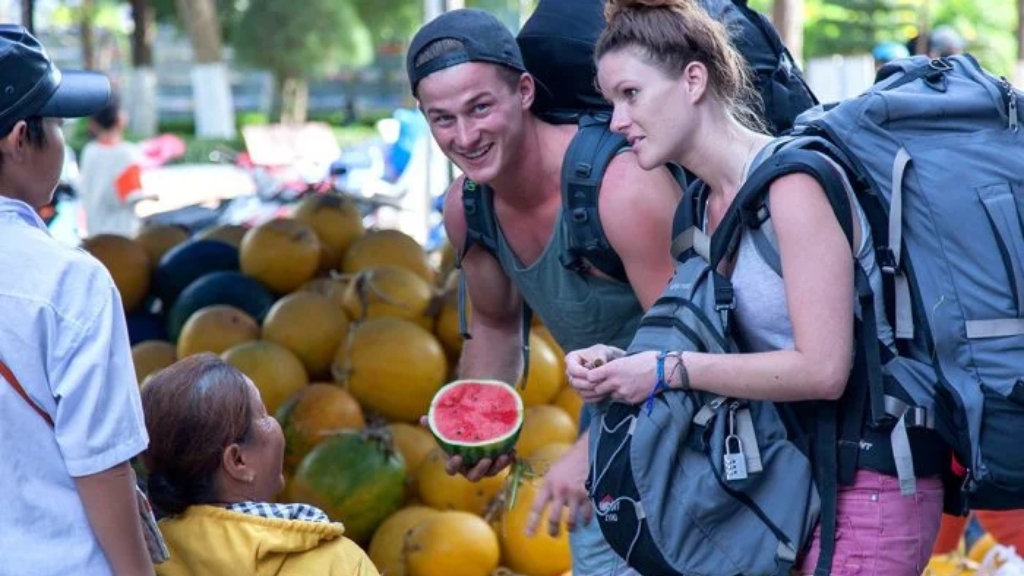
Fresh tropical fruit is both refreshing and energizing in the heat. However, quality matters. Opt for fruit that is freshly peeled or cut in front of you—such as mango, pineapple, or watermelon. It’s best to avoid pre-cut fruit that has been exposed to the heat for too long.
Follow the local rhythm for better meals
One of the easiest travel tips is to eat where locals gather. Busy food stalls and small restaurants usually mean fresh ingredients and dishes cooked on demand. In contrast, avoid buffets or uncovered food sitting in the open air, especially in tropical heat where freshness can decline quickly.
Adjust your daily eating pattern
A smart approach in summer is to adapt your meal timing. Start the day with a good breakfast, keep lunch light and enjoy a more satisfying dinner when temperatures drop. This simple rhythm helps your body manage heat more efficiently and keeps your energy stable throughout the day.
Be careful with what you drink during the day
Not all drinks are ideal under strong sun. Coffee, sugary beverages and alcohol can increase dehydration if consumed during peak heat hours. It’s best to limit them during the day and enjoy them in the cooler evening, when your body can recover more comfortably.
Where to go in Indochina in summer: Destination ideas
Smart destination choices make summer travel in Indochina far more comfortable. Playing with altitude, coastal proximity and regional climate variations lets you build a balanced itinerary that works with the season rather than against it.
Vietnam: From mountains to coastline
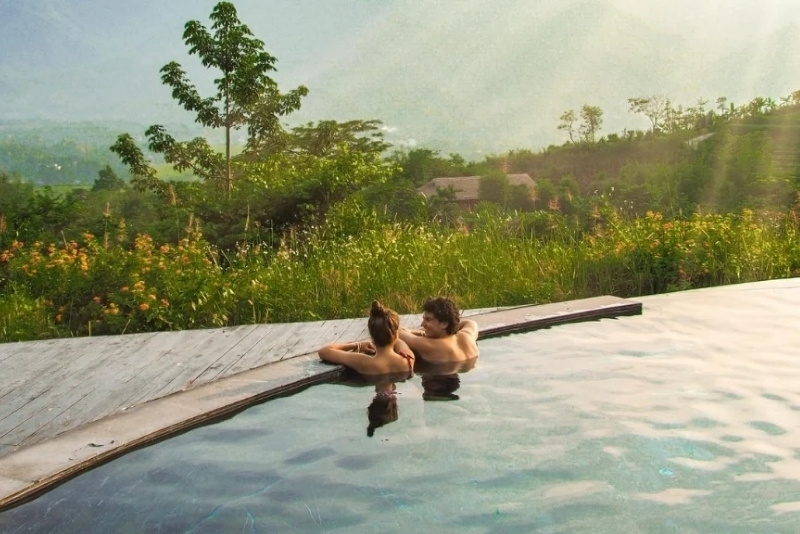



- Northern highlands (Sapa, Ha Giang, Mai Chau): Altitude brings genuine relief from the plains’ heat. Expect cooler air, lush green landscapes and active terraced rice fields at their most photogenic. Perfect for multi-day trekking without heat-related exhaustion.
- Central highlands and coast (Da Nang, Quy Nhon, Da Lat): Da Lat sits at altitude with a temperate climate year-round cool nights and pleasant days make it ideal for slowing down. Da Nang and Quy Nhon offer a coastal breeze that takes the edge off summer temperatures.
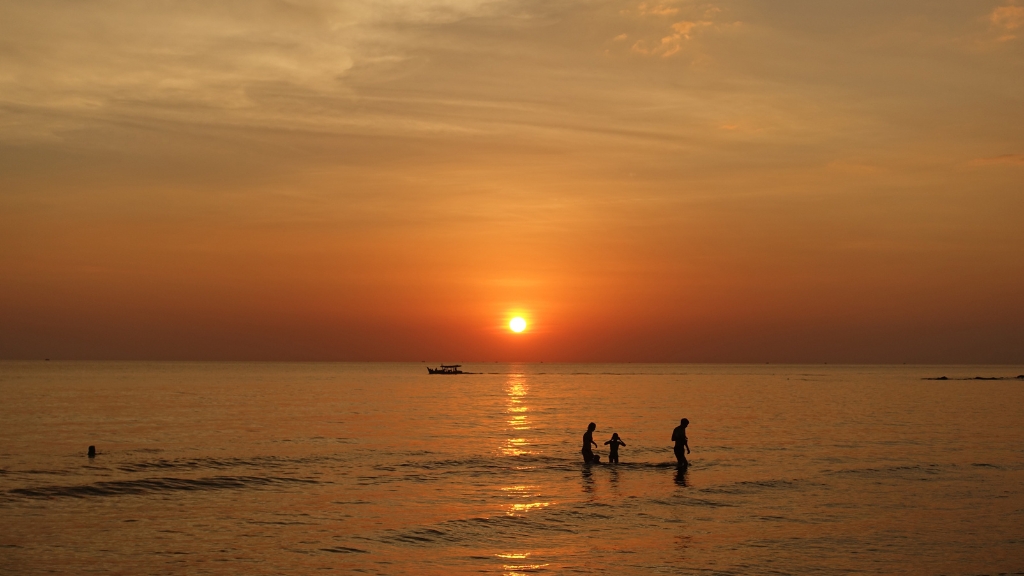
- Islands and coastal escapes (Phu Quoc, Con Dao, Cu Lao Cham): Sea breezes make the heat far more bearable and morning and evening beach time is genuinely enjoyable. A well-placed island stop provides natural recovery time after intensive cultural itineraries.
Laos: tranquil retreats and unspoiled nature


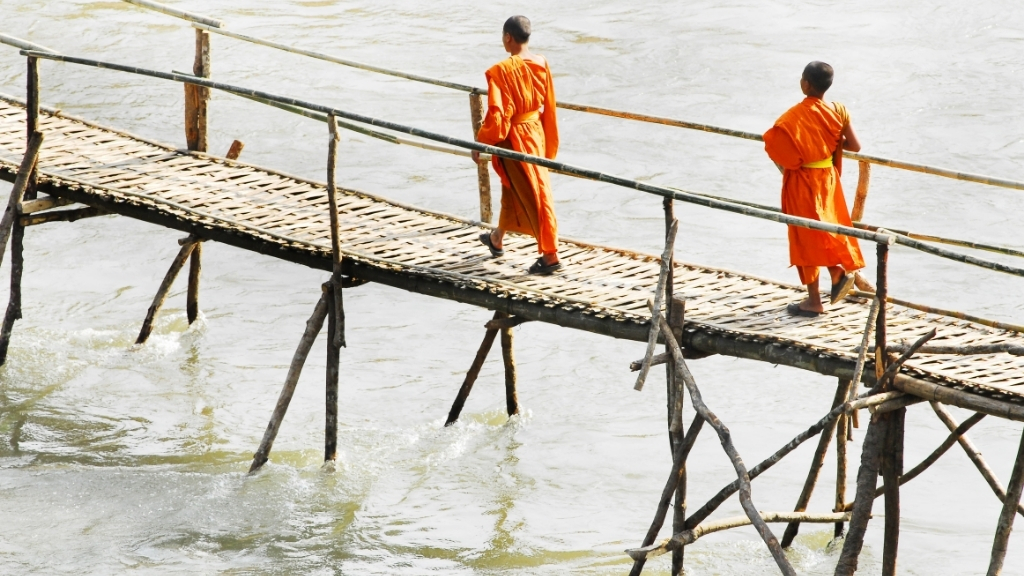


- Bolaven Plateau: One of the best places in Laos during the hot season. Moderate altitude, cooler temperatures, impressive waterfalls and coffee plantation landscapes. An excellent multi-day nature immersion without the heat of the cities.
- Luang Prabang and surroundings: Very manageable with a local rhythm — cultural visits in the morning, afternoon rest or short excursions to waterfalls, relaxed evenings along the Mekong. A natural balance of heritage, nature and ease.
- 4000 Islands (Don Det, Don Khone): A deeply relaxed destination. The heat is present but softened by the Mekong, the pace is slow and movement is by bicycle or on foot. A perfect final chapter to a longer trip.
Cambodia: A perfect blend of culture and coastal charm
- Siem Reap and the Angkor temples: Non-negotiable — but requires planning. Visit the main temples at sunrise or very early morning, return to your hotel or a cool café by mid-morning and head back out in the late afternoon. The temples are extraordinary at golden hour.
- Phnom Penh: Culturally and historically rich, best visited efficiently over two to three days with regular breaks. Concentrate activities in the morning and late afternoon.
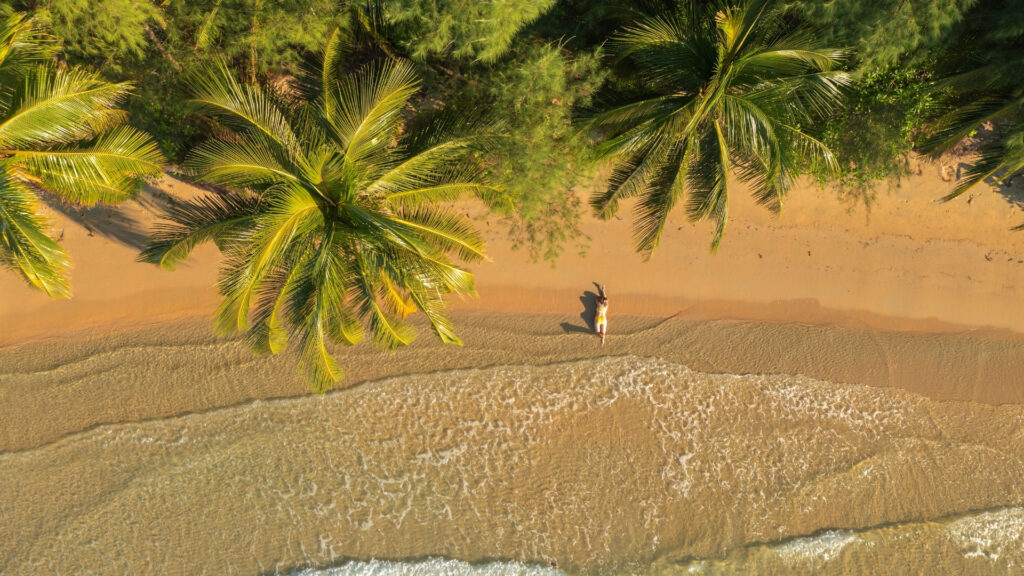
- Southern islands (Koh Rong, Koh Rong Samloem) : A natural complement to the Cambodian mainland. Sea breezes, uncrowded beaches at certain times of year and ideal conditions for swimming and snorkeling offer genuine rest before or after the more intense cultural stops.
FAQs
1. Is Indochina too hot to travel in summer?
It depends on your tolerance and how you plan. The heat is real but it’s manageable with the right rhythm. Most travelers who struggle are those who try to follow a non-summer itinerary in summer conditions. Those who adapt early starts, midday breaks, smart destination choices find it one of the most atmospheric times to visit.
2. What is the cheapest time to book hotels and tours in Indochina?
Summer (May–July) is low season across most of Indochina, meaning hotel rates drop noticeably — sometimes 20 to 40% compared to peak winter months and popular tours have better availability. It’s one of the most budget-friendly windows to travel the region.
3. Is it safe to eat street food in Indochina during the summer heat?
Yes, as long as you choose wisely. Eat at busy stalls where food is cooked fresh to order, avoid anything left uncovered in the heat and opt for fruit that is peeled in front of you. The local food scene is one of the highlights of the trip — caution doesn’t mean avoidance.
4. How many days should you plan for a trip in the hot season?
It is recommended to plan a flexible itinerary of at least 7 to 12 days per country. This helps avoid too many transfers and allows enough time to rest, especially during the hotter hours of the day.
5. How much does a trip to Indochina cost in the hot season?
For a comfortable Travel Indochina in summer, you should expect to spend around $90–$150 per day, depending on the country, travel style, and level of comfort. This budget typically covers mid-range accommodation, local transport, meals and sightseeing activities.
Traveling in Indochina in summer can be an incredibly rewarding experience if you plan it the right way. It’s all about going with the rhythm of the heat — starting early, slowing down at midday, and enjoying the cooler hours later in the day. If you choose your destinations wisely and stay flexible, you’ll get to experience a very special side of the region: lush green landscapes after the rain, lively streets in the evening, and a more authentic local atmosphere.
With a bit of preparation, Travel Indochina in summer can easily become one of the most memorable ways to explore Vietnam, Laos, and Cambodia. Plan smart, stay flexible, and start your summer journey in Indochina today.




 Google
 Facebook
 Tripadvisor
 Trustindex


