


The rice terraces in Vietnam are one of the most iconic landscapes in Southeast Asia, symbolizing the harmony between nature, culture, and traditional agriculture. Found mainly in the mountainous regions of northern Vietnam, these terraced fields stretch across dramatic valleys and hillsides, creating breathtaking scenery that changes color throughout the year—from vibrant green during the growing season to stunning golden hues at harvest time.
These landscapes are not only a visual highlight but also an important part of local life and ethnic minority culture. Today, the rice terraces attract travelers from around the world who come to admire their beauty, explore remote villages, and experience one of Vietnam’s most unique natural and cultural treasures.
Table of Contents
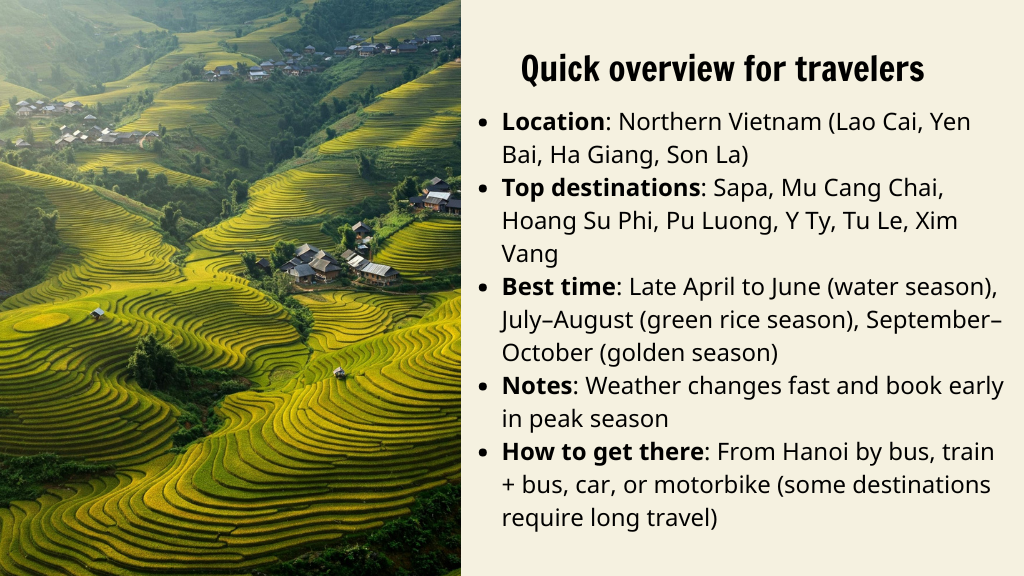
Rice terraces in Vietnam: Where nature and human hands meet
If you are planning a trip to northern Vietnam, the rice terraces in Vietnam are one of the most iconic landscapes you should not miss. These are living agricultural landscapes shaped over generations by local ethnic communities, creating breathtaking stepped fields across the mountains. The most famous areas include Sapa, Mu Cang Chai and Hoang Su Phi, while other beautiful but less crowded destinations such as Pu Luong, Y Ty, Tu Le and Xim Vang offer more diverse and authentic experiences-from green valleys and limestone mountains to remote high-altitude terraces and hidden golden fields stretching across the hills.
Rice terraces are created by carving steep mountain slopes into layered fields to grow rice and manage water naturally. This traditional farming method has been passed down for centuries and remains an essential part of daily life in many highland villages. It reflects a deep connection between people and nature, where every season brings a different rhythm to the land.
Each destination has its own character, but all share the same seasonal transformation-water-filled terraces during planting time, lush green layers in summer and the spectacular golden rice terraces Vietnam is famous for during harvest season.
For travelers, the best way to experience these landscapes as part of a Vietnam travel journey is not only from viewpoints, but by walking through the villages and valleys. Trekking along small trails, passing through local homes, and observing daily farming activities gives a real sense of life in the mountains. It’s a simple journey, but one that reveals the true beauty and depth of rural Vietnam.
Where to find the most beautiful rice terraces in Vietnam?
Rice terraces in Vietnam are mainly found in the northern mountains, where steep valleys and traditional farming have shaped the landscape over generations. Key destinations include Sapa, Mu Cang Chai, Hoang Su Phi, Y Ty, Tu Le and Xim Vang, each offering a different experience from accessible trekking routes to remote, untouched scenery. The terraces change dramatically with the seasons, from water-filled fields in late spring, to lush green in summer and golden landscapes during the harvest season in September–October.
Sapa, the most accessible rice terrace region in northern Vietnam

Sapa is often the first stop for travelers who want to discover rice terraces in Vietnam, mainly because it is easy to reach from Hanoi and offers a wide range of trekking options. The terraces here are concentrated around the Muong Hoa Valley, stretching through villages such as Lao Chai, Ta Van and Hau Thao. These are not just viewpoints but active farming areas where local ethnic groups like the Hmong and Dao continue to cultivate rice in traditional ways.
For the best experience, trekking is highly recommended rather than just stopping at viewpoints. Walking between the terraces allows you to see daily rural life up close—farmers working in the fields, buffaloes moving through narrow paths and wooden houses blending into the mountainside. The terrain can be steep and uneven, so good walking shoes are essential, especially after rain when paths become slippery.
Sapa also offers a variety of homestays in local villages, which is one of the best ways to experience the area. Staying overnight in Lao Chai or Ta Van gives you the chance to see the terraces in the early morning mist or at sunset, when the light changes the entire valley. While Sapa is more developed than other rice terrace regions, choosing smaller villages outside the town center helps you experience a more authentic and quieter atmosphere.
Mu Cang Chai, the dramatic rice terraces of northern Vietnam
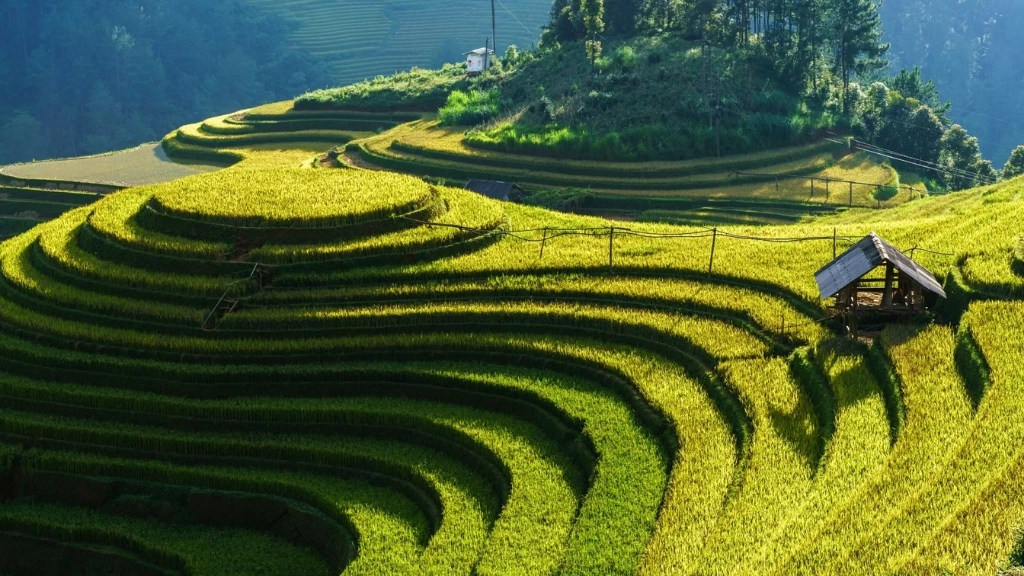
Located in Yen Bai Province, the rice terraces in Mu Cang Chai offer a completely different atmosphere from Sapa- more remote, wilder and far less crowded. The terraces here are deeply carved into the mountains, with strong, natural curves that perfectly follow the shape of the terrain. This creates a dramatic, almost surreal landscape that feels untouched compared to more developed destinations.
To fully appreciate the scenery, the best viewpoints are La Pan Tan, Che Cu Nha and De Xu Phinh. From these spots, you can take in sweeping panoramic views of entire valleys layered with terraces, showing the impressive scale of traditional farming carved into the mountains over generations.
During the harvest season, usually around September and October, Mu Cang Chai transforms completely. The hills turn into golden waves of rice and the soft late-afternoon light enhances the textures of the terraces, creating one of the most photogenic landscapes in northern Vietnam. This is also the best time to visit if you want a quieter, more authentic experience of rice terraces in Vietnam, away from the more touristy routes.
Hoang Su Phi, where rice terraces climb steep mountain walls
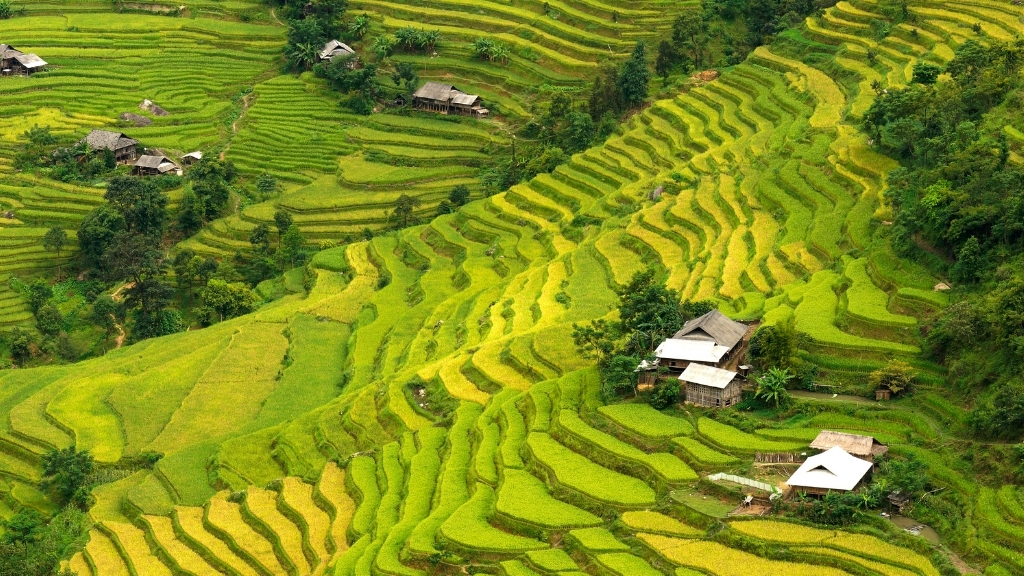
Located in Ha Giang Province, Hoang Su Phi is best known for its vast and dramatic rice terraces in Vietnam, stretching across steep mountain slopes and deep valleys. The terraces here are wide, layered and highly textured, following the natural contours of the land and creating some of the most spectacular stepped landscapes in the country.
The most iconic rice terrace areas include Ban Phung, Ban Luoc and Ho Thau, where the fields form endless cascading patterns across the mountains. Compared to other destinations, the terraces in Hoang Su Phi are larger in scale and feel more rugged, giving the whole region a powerful and untouched visual impact.
Y Ty, where rice terraces float above the clouds
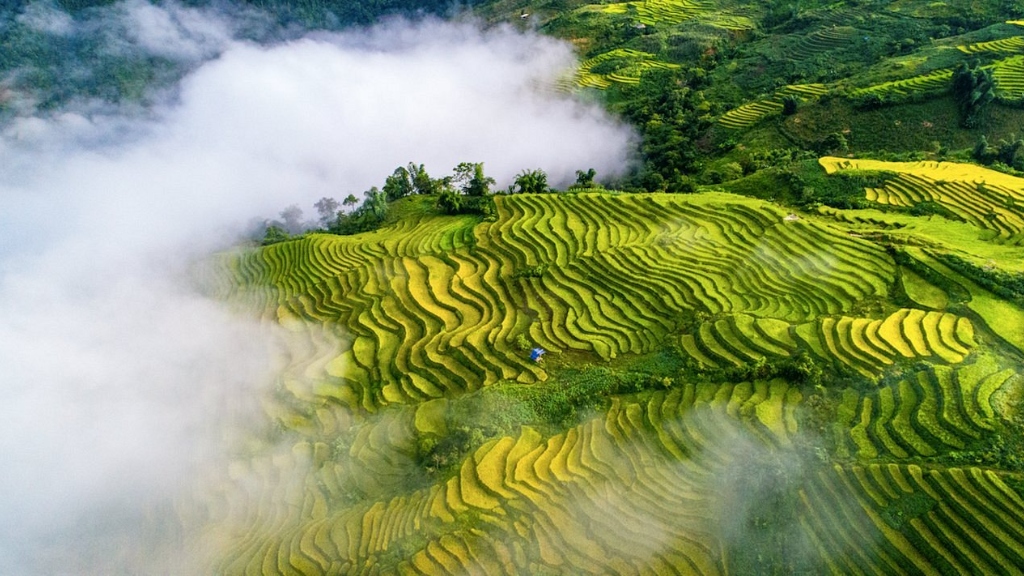
Located in the high mountains of Lao Cai Province, Y Ty is one of the most remote and atmospheric places to experience rice terraces in Vietnam. Here, the fields are built on steep slopes and often disappear into drifting clouds, especially in the early morning, creating a surreal “sea of clouds” effect over the valleys.
The most beautiful viewpoints can be found around Ngai Thau, A Lu and surrounding highland villages, where the rice terraces climb across the mountains in layered patterns. Unlike more developed destinations, Y Ty remains quiet and less visited, which helps preserve its raw and untouched character.
From September to October, the terraces turn a deep golden color during harvest season, standing out against the misty mountains and cloud-covered peaks. This contrast between golden fields and floating clouds makes Y Ty one of the most unique and photogenic rice terrace landscapes in northern Vietnam.
Tu Le rice terraces in peaceful valley Vietnamden rice terraces
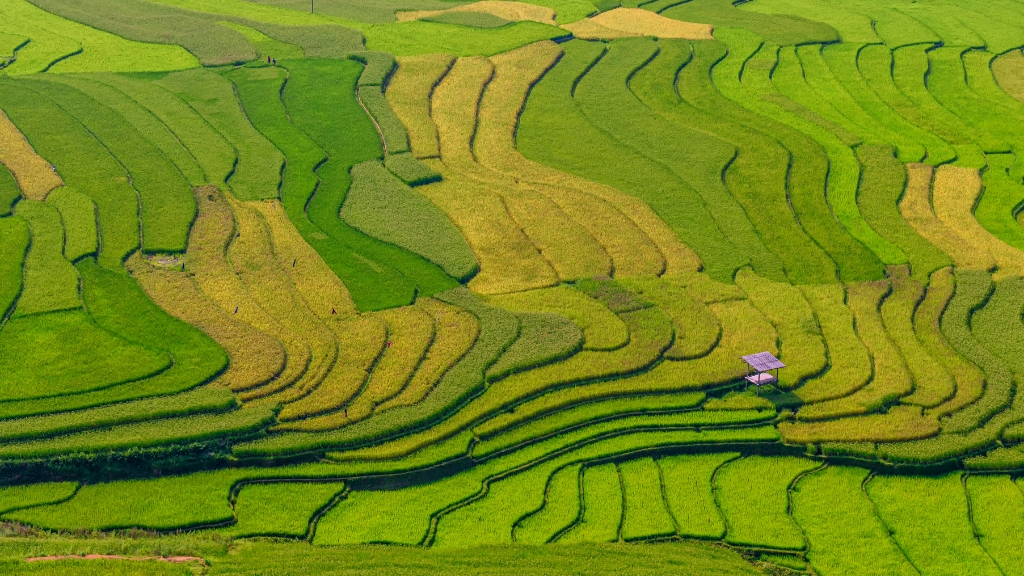
Located in Yen Bai Province, Tu Le is a quiet valley known for its beautiful rice terraces in Vietnam, set in a wide open landscape surrounded by soft, green mountains. Unlike more dramatic highland regions, the terraces here are spread across a gentle valley floor, creating a calm and harmonious scenery.
The best viewpoints can be found along the Khau Pha Pass, one of the most scenic mountain passes in northern Vietnam, where the rice fields stretch across the valley in layered patterns. From above, the terraces form a natural mosaic that becomes especially striking during the harvest season.
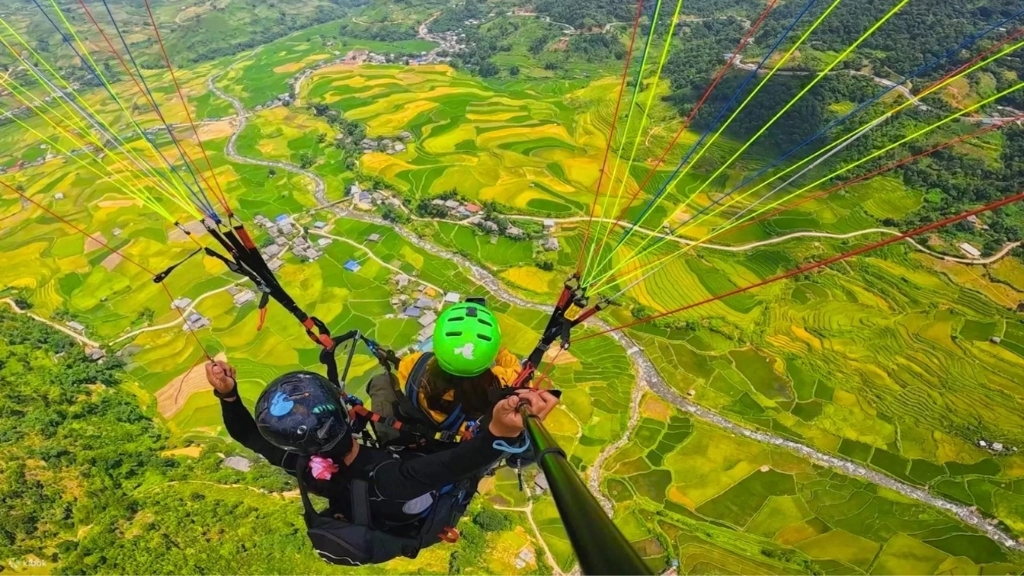
Between September and October, Tu Le transforms into a golden valley as the rice ripens, covering the entire landscape in warm tones. This seasonal change makes it one of the most photogenic rice terrace areas in the region, while still remaining quieter and more authentic compared to popular destinations like Sapa or Mu Cang Chai.
Pu Luong, a peaceful nature reserve of cascading rice terraces

Located in Thanh Hoa Province, Pu Luong offers a different perspective on rice terraces in Vietnam, combining layered rice fields with limestone mountains, forests and traditional Thai villages. Unlike the dramatic highland regions of the far north, the terraces here flow more gently across valleys, creating a soft and continuous landscape often described as “cascading rice fields.”
Key areas such as Ban Don and Kho Muong are ideal starting points to explore the scenery. From here, visitors can follow walking trails that pass directly through the rice fields, cross small streams and connect villages, offering easy access to some of the most photogenic viewpoints in the reserve.
What makes Pu Luong stand out is its balance between nature and local life. The rice terraces are still actively cultivated and the area remains relatively quiet throughout the year. Traditional stilt houses, bamboo water wheels and everyday farming activities are still part of the landscape, making it an immersive destination for travelers seeking an authentic and relaxed rice terrace experience in Vietnam.
Xim Vang, a hidden and peaceful rice terrace valley
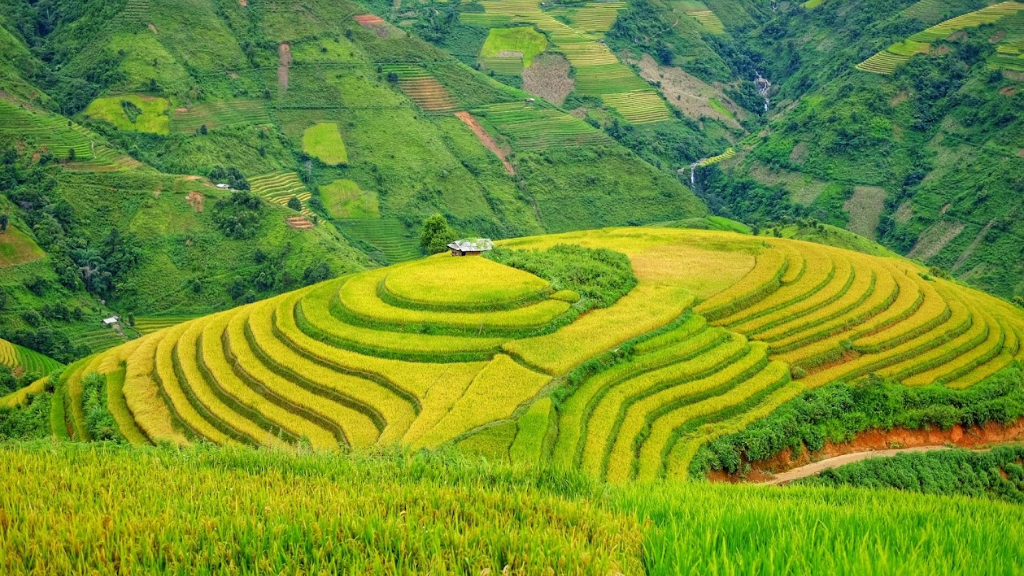
Located in Son La Province, Xim Vang is a quiet and little-visited destination to discover rice terraces in Vietnam in a more remote and authentic setting. The village is surrounded by steep mountains, where terraced fields spread naturally along the slopes, forming wide, layered landscapes that remain largely untouched by mass tourism.
From viewpoints around the village, the rice terraces open up across valleys and mountain ridges, creating a vast and open scenery that feels both simple and dramatic. Unlike more developed destinations, Xim Vang offers a raw and unfiltered view of rural mountain life, where the landscape is still shaped primarily by traditional farming.
The rice terraces here are closely tied to the daily life of local communities, who continue to cultivate the fields using traditional methods throughout the seasons. This strong connection between people and land makes Xim Vang a meaningful stop for travelers seeking a quieter and more authentic rice terrace experience in northern Vietnam.
What is the best time to see rice terraces in Vietnam?
Rice terraces in Vietnam offer constantly changing landscapes throughout the year. Depending on the season, they can be filled with water, covered in vibrant green rice, or glowing in golden tones during harvest. There is no single best time to visit, but rather three key seasons that each offer a unique experience.
Late April to June: The water season in the rice terraces
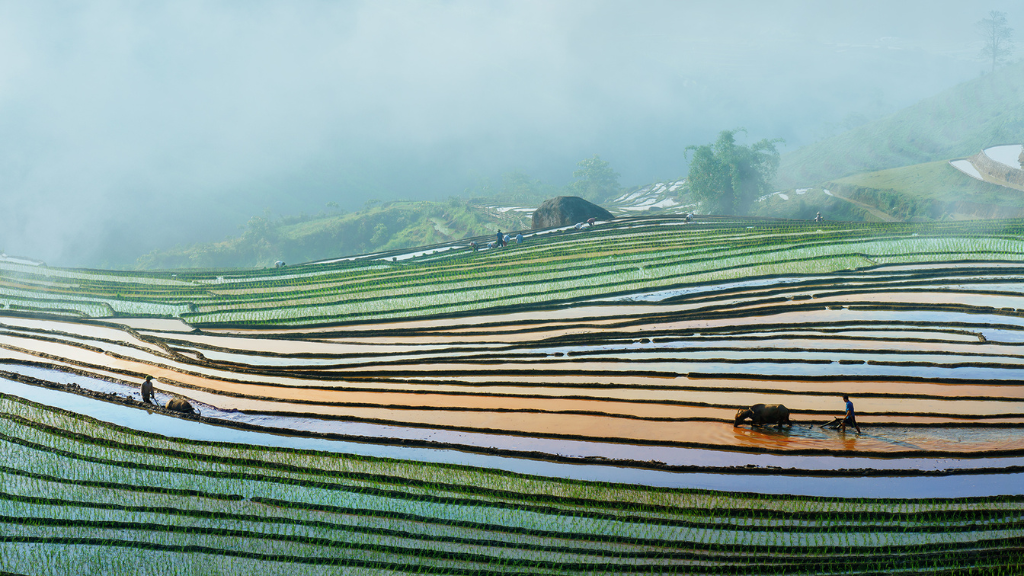
From late April to June, rice terraces in northern Vietnam enter the water-filling stage as farmers prepare the fields for a new rice crop. During this period, the terraces transform into natural mirrors, reflecting the sky, mountains and clouds. The scenery is calm, minimal and highly photogenic, offering a quieter and more reflective side of the rice terraces in Vietnam.
July to August: Green rice terraces in the northern mountains
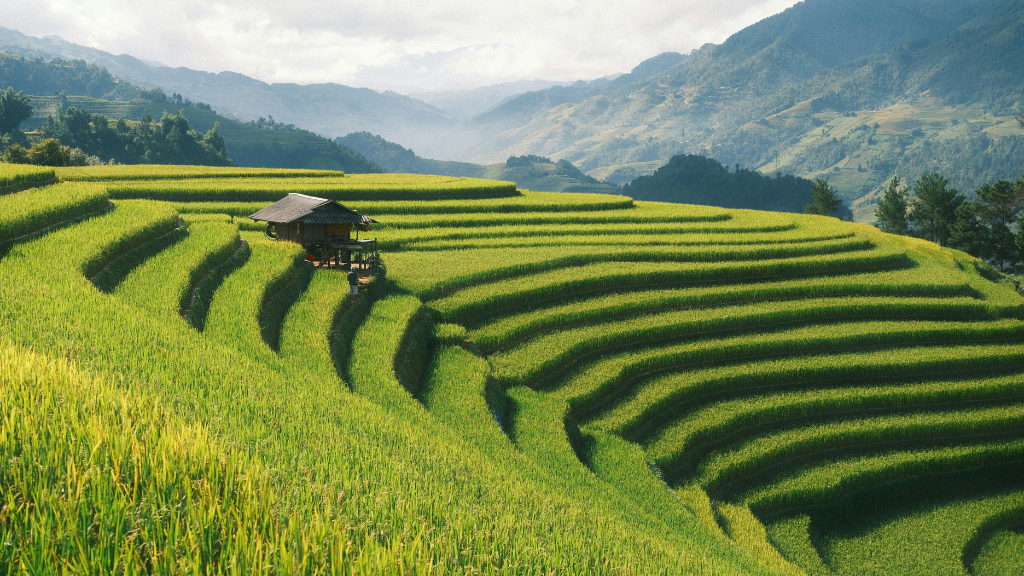
From July to August, the rice terraces in northern Vietnam are at their most vibrant growth stage. Young rice plants gradually cover the mountains in deep green layers, creating lush and dynamic landscapes. This is an ideal time to travel to destinations such as Sapa, Mu Cang Chai, or Xim Vang, where changing light and shifting clouds make the scenery feel alive and constantly different throughout the day.
September to October: The golden harvest season
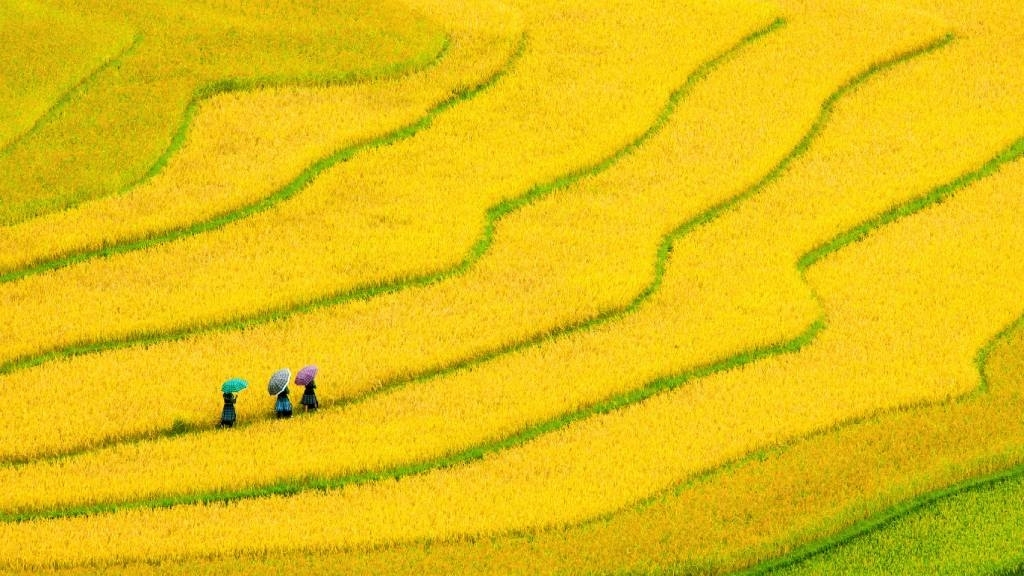
From September to October, rice terraces in Vietnam reach their peak visual beauty. The fields turn golden as harvest approaches, especially in the mountainous regions of the north. The terraces form sweeping golden waves across the mountains and the soft seasonal light enhances every detail of the landscape. This is widely considered the most spectacular time to experience the rice terraces in Vietnam.
🌾Note:
September to October is also one of the best times to travel to Vietnam. Beyond the golden rice terraces, many other destinations across the country are at their most beautiful, with pleasant weather and ideal conditions for exploring.
Traveler experiences discovering rice terraces in Vietnam
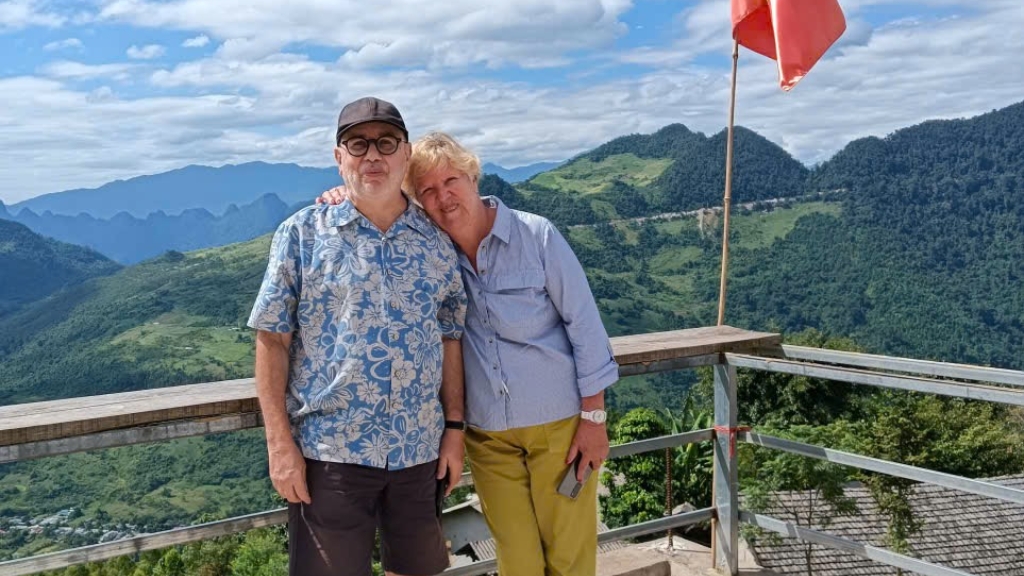
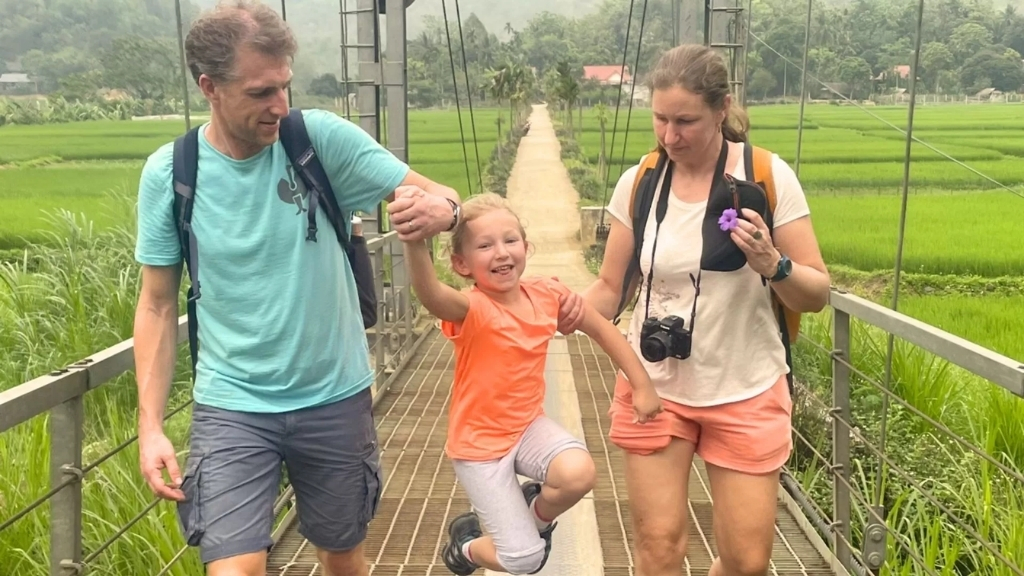
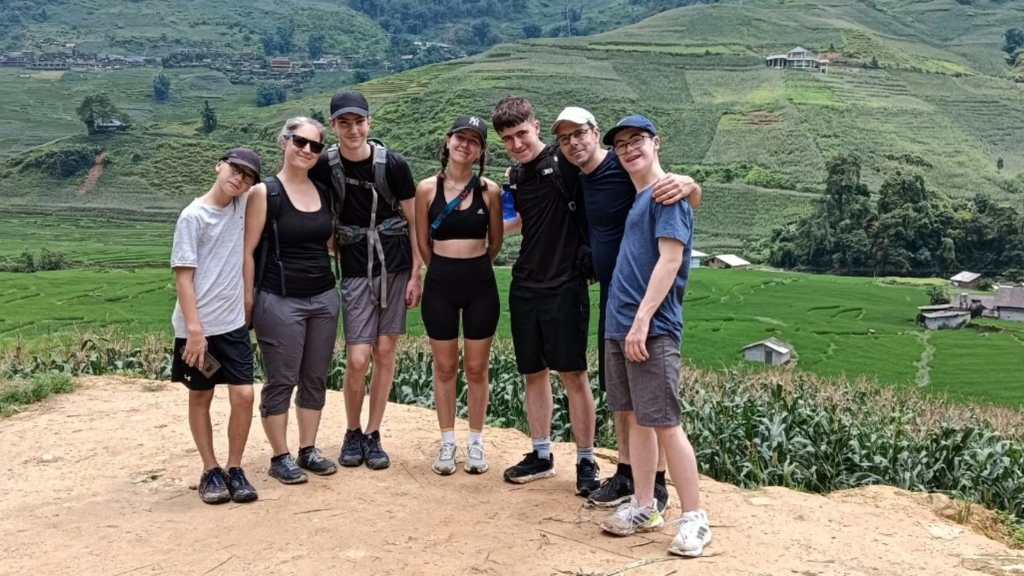
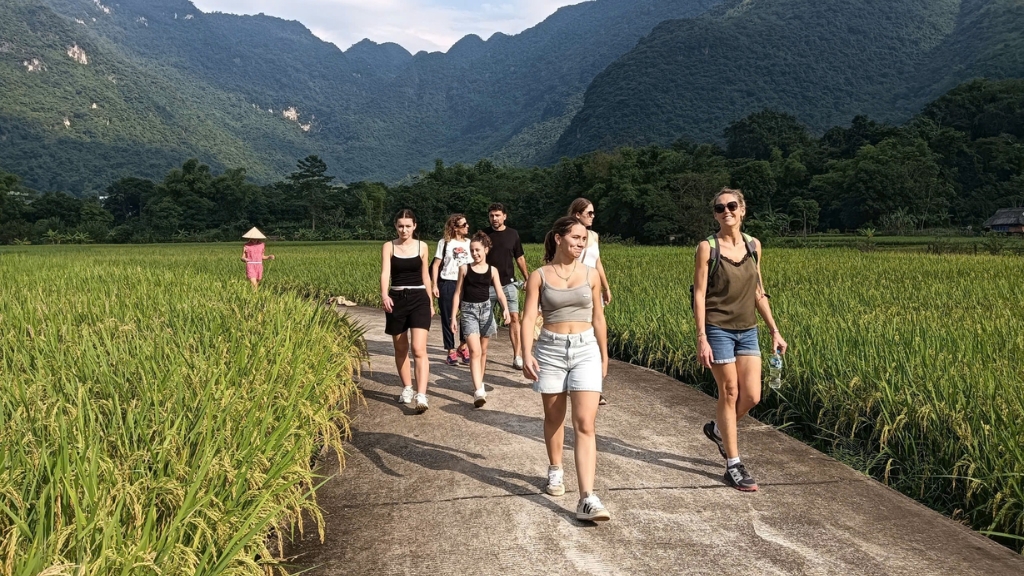
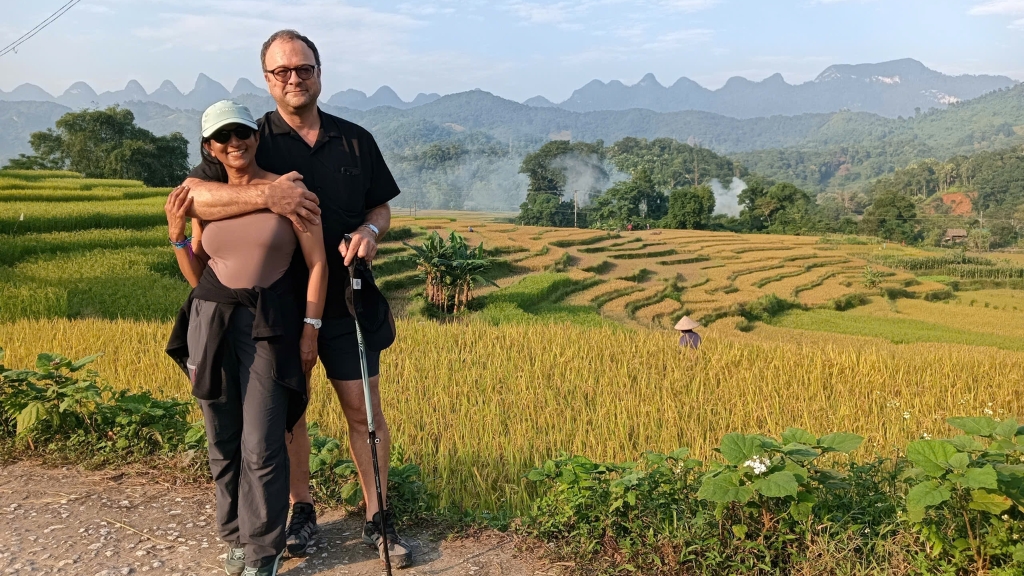
Our travelers who join rice terraces in Vietnam tours often describe the journey as much more than just sightseeing. It is a real immersion into northern Vietnam’s rural life, where landscapes, culture and daily activities are closely connected.
Many of our guests share that walking through the rice terraces is one of the most memorable moments of their trip—surrounded by layered mountains, misty valleys and traditional villages that change character with the seasons. They also often highlight the warmth of local ethnic communities, the authenticity of homestay stays and the simple but meaningful daily interactions that make the experience feel personal and unique.
If you would like to learn more, you can also read reviews from our travelers on TripAdvisor, Google Maps, or Trustindex, where they share their real experiences and impressions of our rice terraces tours in Vietnam, from trekking routes to cultural encounters in the mountains.
Local guide tips for planning your rice terrace trip in Vietnam
- Build a well-balanced itinerary combining rice terraces with nearby highlights: Instead of visiting only one location, it is better to combine areas in the same route. This helps reduce travel time and gives a more complete experience of northern Vietnam’s landscapes and ethnic culture.
- Travel with a local guide is highly recommended, especially in remote areas: In places like Hoang Su Phi, Y Ty, or Xim Vang, a local guide helps you find hidden viewpoints, avoid difficult trails and understand the meaning behind the rice terraces and village life..
- Do not underestimate distances in the mountains: Routes between destinations may look short on maps but often take several hours due to winding roads and terrain. Plan fewer stops for a better experience.
- Stay in village homestays close to the rice terraces: This allows you to walk directly into the fields, enjoy sunrise and sunset views and experience local daily life more closely.
- Wear proper trekking shoes with good grip: Paths are often muddy, narrow and uneven, especially in rice fields and after rain.
- Bring cash and basic essentials: Remote villages may not have ATMs or card payment options, so cash is necessary for food, stays and small services.
FAQs
1. How long does it take to travel between rice terrace destinations from Hanoi?
From Hanoi, Sapa takes about 5–6 hours, Pu Luong around 4–5 hours, Mu Cang Chai approximately 6–7 hours, and Hoang Su Phi or Xim Vang about 7– 8 hours depending on road conditions.
2. Is a local guide necessary for visiting rice terraces?
In accessible areas like Sapa or Pu Luong, independent travel is possible. However, in remote regions such as Hoang Su Phi, Y Ty or Xim Vang, a local guide is strongly recommended for navigation, safety and access to hidden viewpoints.
3. How many days are needed to explore rice terraces in Vietnam?
A minimum of 2 days is suitable for nearby regions like Sapa or Pu Luong. For more remote destinations such as Mu Cang Chai or Hoang Su Phi, 3–5 days are recommended to fully explore viewpoints and villages
4. What are the best viewpoints to see rice terraces in Vietnam?
Some of the best viewpoints are in La Pan Tan (Mu Cang Chai), Ban Phung (Hoang Su Phi), Muong Hoa Valley (Sapa) and the high villages around Y Ty and Xim Vang.
5. What is the difference between rice terraces in Sapa and Mu Cang Chai?
Sapa is more accessible with developed tourism and village trekking, while Mu Cang Chai is more dramatic, remote and famous for its large-scale terraced slopes.
Rice terraces in Vietnam are one of the most distinctive landscapes in the northern mountains, shaped by both nature and generations of local farming. From well-known destinations like Sapa and Mu Cang Chai to more remote areas such as Hoang Su Phi, Y Ty, Tu Le, Pu Luong and Xim Vang, each place offers its own way to experience these terraced fields.
Discover the rice terraces in Vietnam and choose the region that best fits your travel style, from easy-access valleys to remote mountain landscapes




 Google
 Facebook
 Tripadvisor
 Trustindex


