


Vietnam cooking classes have become one of the top-rated travel experiences in Southeast Asia, with over 70% of food-focused travelers choosing hands-on culinary activities during their trip.
A Vietnam cooking class is more than just a workshop—it’s a cultural journey found in destinations like Hanoi, Hoi An, Hue, and Ho Chi Minh City, where travelers can cook, taste, and understand authentic local dishes from the inside out. Whether in a bustling city kitchen or a peaceful countryside home, this is one of the most meaningful ways to explore Vietnam.
In this guide, you’ll discover:
- What to expect & which dishes you’ll learn
- The best places in Vietnam to join a cooking class
- Who it’s for + essential travel tips & FAQs
This guide will help you choose the right Vietnam cooking class and make the most of this unforgettable cultural experience.
Table of Contents
What to expect from Vietnamese cooking classes
Vietnamese cooking classes are more than just learning recipes—they are a full cultural experience that connects you with local life. From exploring lively markets to cooking side by side with local chefs and sharing a traditional meal, each stage helps you understand Vietnam through its food culture in a very authentic and hands-on way.
Discovering local markets and understanding ingredients
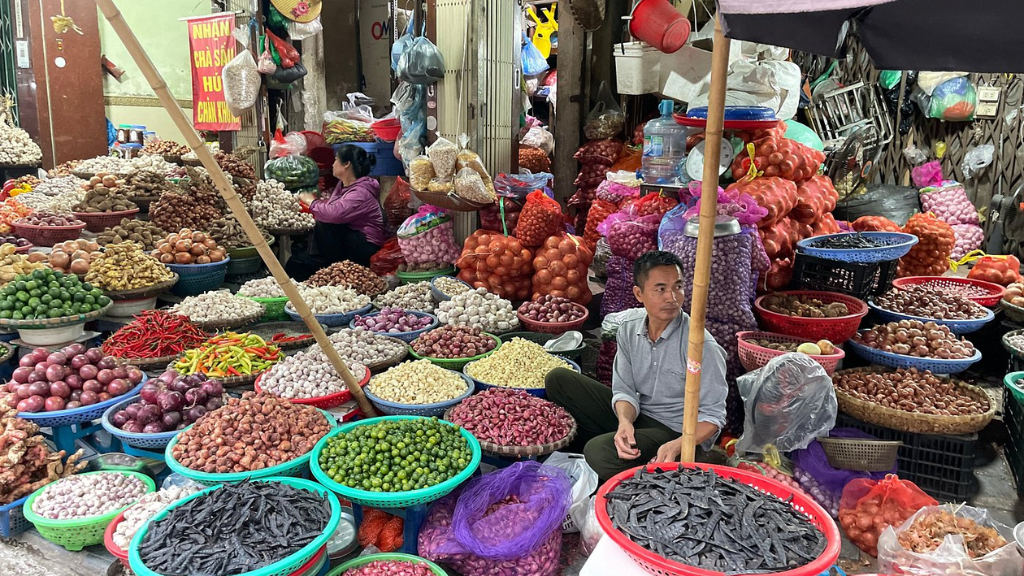
The experience often begins in a traditional Vietnamese market, where the atmosphere is lively, colorful and full of everyday energy. Guided by a local instructor, you walk through stalls filled with fresh herbs, tropical fruits, vegetables, spices, seafood, and essential ingredients like fish sauce, rice noodles, lemongrass and chilies.
This is where you start to see how Vietnamese people really cook. It is not only about buying ingredients, but about understanding freshness, seasonality, and balance. Your guide will often explain how the same ingredient can be used differently across regions, helping you discover the diversity behind Vietnamese cuisine from north to south.
Hands-on cooking with local chefs and traditional recipes
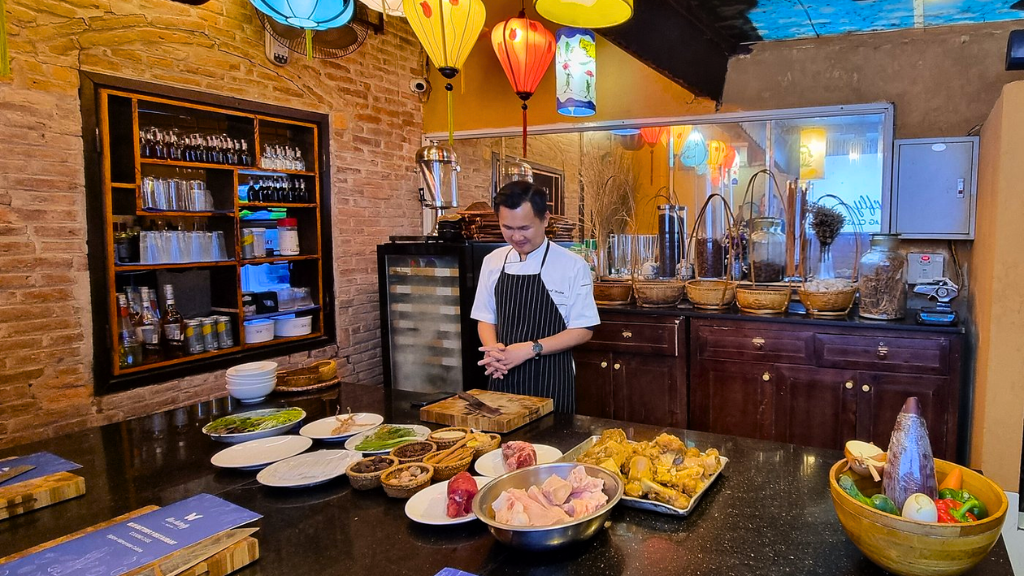
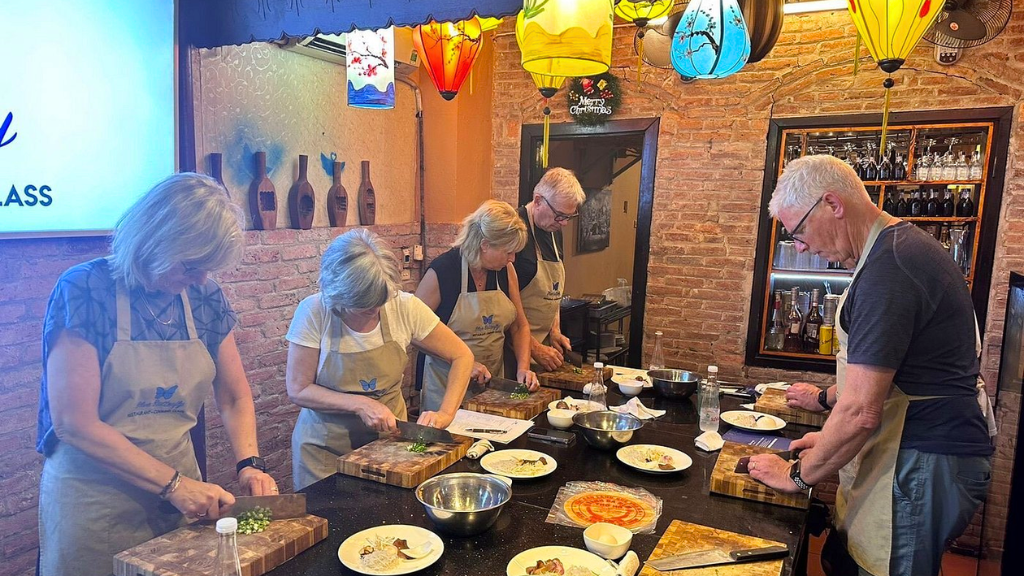
After the market visit, you move into a cooking space—often a family kitchen, a garden setting, or a small local cooking school. Here, a chef or home cook guides you step by step through traditional recipes.
You take part in every stage of the process: preparing herbs, chopping ingredients, marinating meats and learning how to build layers of flavor. Popular dishes like fresh spring rolls, pho, or stir-fried specialties are often part of the class, depending on the region.
What makes the experience special is the hands-on approach. Instead of just following instructions, you learn why each step matters—how balance, timing, and freshness define Vietnamese cooking.
Cooking together and sharing a Vietnamese meal
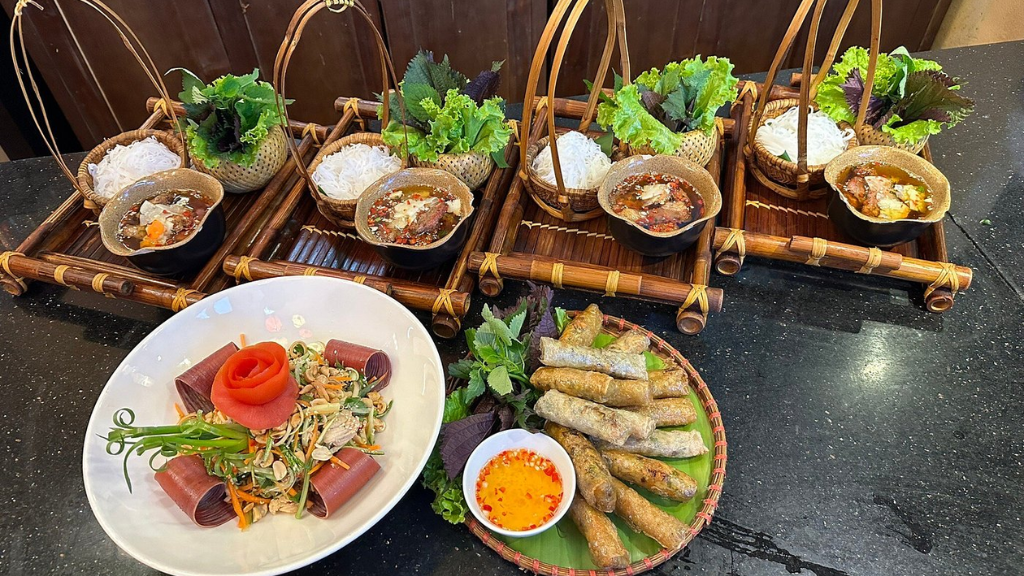
Once everything is ready, the group gathers to enjoy the dishes prepared during the class. The meal is usually served in a friendly, communal style, where dishes are placed in the center and shared by everyone at the table.
This moment goes beyond food. It reflects the way Vietnamese people eat in daily life: sharing, talking and connecting through meals. For many travelers, this becomes the most memorable part of the experience, as it feels less like a class and more like being welcomed into a local home.
Where is the best place to do a cooking class in Vietnam?
From north to south, Vietnam offers an impressive diversity of cooking classes, each deeply connected to the culinary identity of its region. Depending on where you travel, you may join a structured city workshop in Hanoi, a riverside cooking experience in Hoi An, or a peaceful countryside class in the Mekong Delta. Each setting brings a different way to understand Vietnamese cuisine—not only through recipes, but through culture, lifestyle, and local habits.
Northern Vietnam: delicate flavors rooted in tradition
Northern Vietnamese cuisine is known for its balance, simplicity, and technique. Compared to other regions, it is less spicy and less oily, focusing on the natural taste of ingredients, clear broths, and fresh herbs. Every dish reflects a sense of harmony, where flavors are subtle but carefully structured, highlighting freshness and precision in cooking.
Cooking classes in Northern Vietnam, especially in Hanoi, often start with a visit to a local wet market before moving into a home-style kitchen. Travelers learn how to select fresh ingredients and then prepare classic dishes such as bun cha, nem ran, and banana flower salad. These hands-on classes focus on technique and flavor balance, helping participants understand the foundations of authentic Northern Vietnamese cooking.
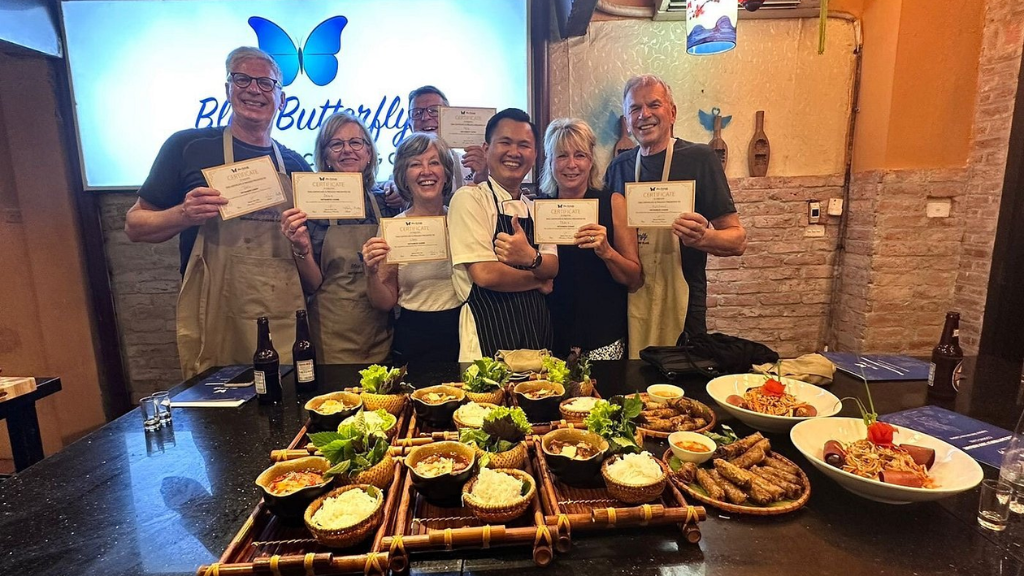
Recommended cooking experiences in Hanoi:
1. Rose Kitchen Cooking Class
Address: 173 Hoang Hoa Tham, Hanoi
Indicative price: 40–55 USD per person
2. Su Quan Roastery Coffee Experience
Address: 75/173 Hoang Hoa Tham, Hanoi
Indicative price: 35–50 USD per person
3. Blue Butterfly Cooking Class
Address: 69 Ma May, Hang Buom, Hoan Kiem, Hanoi
Indicative price: 40–60 USD per person
4. Hoang’s Cooking Class
Address: 54 Hang Buom Street, Old Quarter, Hoan Kiem, Hanoi
Indicative price: 35–50 USD per person
5. Apron Up Cooking Class
Address: 8 Gia Ngu Street, Old Quarter, Hoan Kiem, Hanoi
Indicative price: 40–60 USD per person
Central Vietnam: imperial heritage and culinary creativity
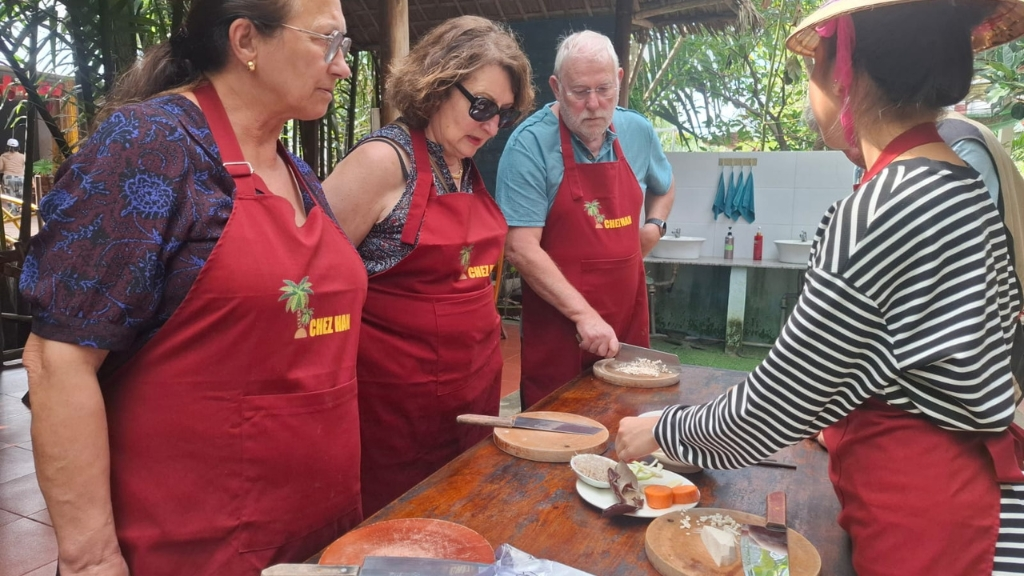
Central Vietnam offers some of the most distinctive cooking class experiences in Vietnam, shaped by the imperial traditions of Hue and the vibrant street food culture of Hoi An. Cooking classes here usually begin with a local market visit, where travelers discover regional ingredients such as fresh herbs, rice-based products, seafood, and local spices that define the character of Central Vietnamese cuisine.
Back in the kitchen, participants learn to prepare signature dishes like delicate Hue-style rice cakes, balanced imperial recipes, or Hoi An specialties such as cao lau and fresh spring rolls. What makes these classes special is the combination of hands-on cooking and cultural storytelling, helping travelers not only learn recipes but also understand the history and identity behind each dish.
Recommended cooking classes in Central Vietnam:
1. Thuy Bieu Village Cooking Class
- Address: Thuy Bieu Village, Perfume River, Hue
- Indicative price: 40–55 USD per person (half-day)
2. My Grandma’s Home
- Address: Ngô Quyền/61 Islet, Hoi An, Vietnam
- Indicative price: 35–50 USD per person
3. Hue Cooking Class – Cooking With Madam Thu
- Address: 04 Vo Thi Sau, Thuan Hoa, Hue, Vietnam
- Indicative price: 25–50 USD per person
4. Hue Inn Side Out Cooking Class
- Address: No. 16, Alley 572 Bui Thi Xuan Street, Thuy Xuan Ward, Hue City
- Indicative price: 25–40 USD per person
5. Green Bamboo Cooking School
- Address: Truong Minh Hung Street, Cam An, Hoi An, Vietnam
- Indicative price: 40–50 USD per person
Southern Vietnam: generous cuisine and tropical cooking experiences
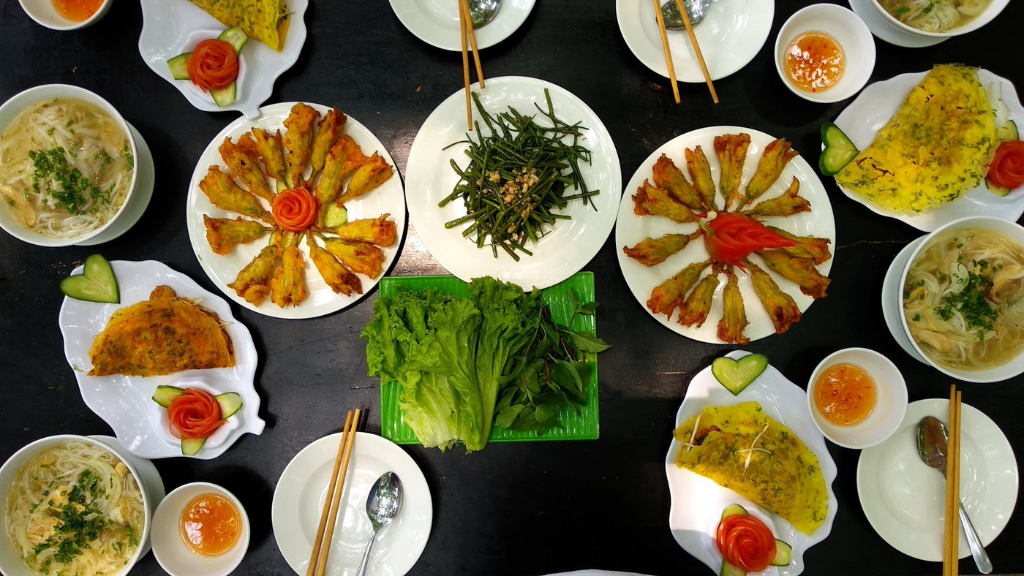
Southern Vietnam is one of the best regions for cooking classes, especially in Ho Chi Minh City and the Mekong Delta, where food culture is rich, vibrant, and strongly influenced by tropical ingredients. The cuisine here is known for its slightly sweet taste, generous portions, and creative use of coconut, fresh herbs, tropical fruits and caramelized cooking techniques. It reflects a warm, relaxed way of life where food is meant to be shared and enjoyed.
For travelers, Ho Chi Minh City is the main hub for cooking classes, offering hands-on experiences with iconic dishes such as ca kho to (caramelized fish in clay pot), canh chua (southern sweet and sour soup) and banh xeo (crispy Vietnamese pancake filled with shrimp, pork, and herbs).
In the Mekong Delta areas like Ben Tre and Can Tho, classes become more immersive, often taking place in garden homes or riverside kitchens, where participants cook with fresh local produce and learn to prepare dishes like grilled fish in banana leaves, tropical soups, and coconut-based desserts.
Recommended cooking classes in Southern Vietnam:
1. M.O.M Cooking Class
- Address: 119/2 Yersin Street, Pham Ngu Lao Ward, District 1, Ho Chi Minh City
- Indicative price: 35–50 USD per person
2. HCM Cooking Class
- Address: 107/7 Tran Van Cham Street, Ap 3, Phuoc Vinh An, Cu Chi, Ho Chi Minh City
- Indicative price: 35–55 USD per person
3. Chef Vu Cooking Class
- Address: 133 Nguyen Du Street, Ben Thanh Ward, Ho Chi Minh City
- Indicative price: 40–60 USD per person
4. Hoang’s Kitchen Cooking Class
- Address: 45 Thu Khoa Huan Street, Ben Thanh Ward, Ho Chi Minh City
- Indicative price: ~35–55 USD per person
5. NonLa Cooking Class
- Address: 2QP8+HGM, Bung Xang, Tan An, Can Tho, Vietnam
- Indicative price: ~30–50 USD per person
Who should join a Vietnamese cooking class?
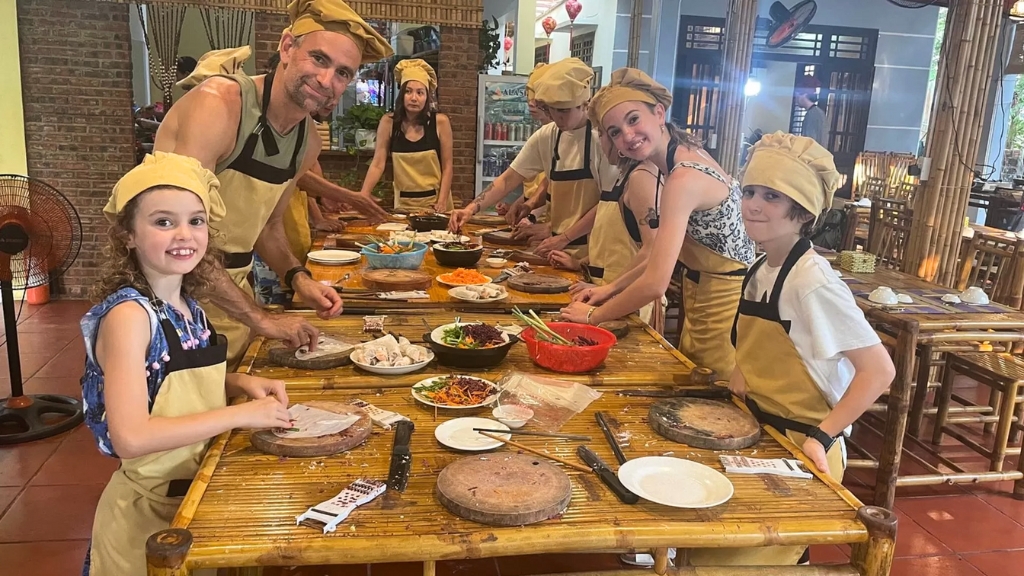
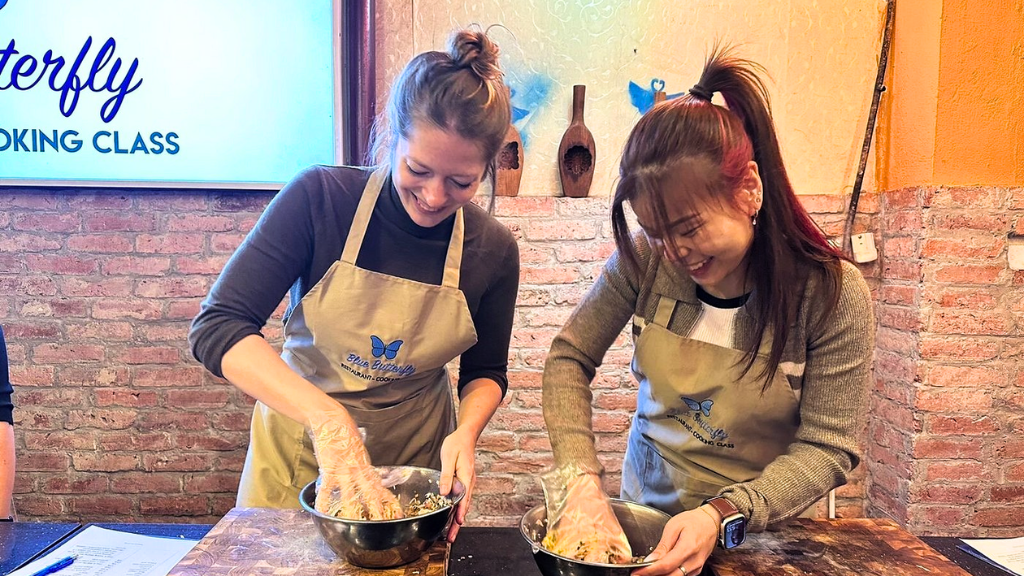
A Vietnamese cooking class is designed for all types of travelers who want to experience the country in a more authentic and hands-on way. You don’t need any cooking skills—just curiosity, an open mind, and a love for discovering local culture through food.
It is especially suitable for solo travelers who want to meet local people and other participants in a friendly, relaxed environment. Couples often enjoy it as a shared cultural activity that goes beyond traditional sightseeing, while families appreciate the interactive and fun nature of learning and cooking together.
Food lovers will find it particularly rewarding, as the experience goes far beyond tasting Vietnamese dishes. It offers the chance to understand how ingredients are selected, how flavors are balanced, and how traditional recipes are prepared step by step—from the local market to the final plate.
It is also ideal for travelers who are interested in culture and daily life, as it provides a real glimpse into how Vietnamese people shop, cook, and share meals at home. Instead of observing from a distance, you become part of the process. In the end, a Vietnamese cooking class is for anyone who wants to slow down, take part, and discover Vietnam through its most authentic expression-its cuisine.
Travel tips for joining a Vietnamese cooking class
Before joining a Vietnamese cooking class, a little preparation can make a big difference in the overall experience. While most classes are beginner-friendly and well-organized, understanding how they work and what to look for will help you choose the right one and get the most out of it. From selecting the right location to knowing what kind of experience you prefer, these practical tips will help you go beyond a simple activity and turn it into a truly memorable cultural experience.
Check the group size before booking
Not all cooking classes are the same. Some classes can have 10–15 people sharing just a few cooking stations, which means less hands-on time. If you want a more meaningful experience, look for small-group classes (4–8 people) or family-style workshops where everyone actually cooks their own dishes.
Ask what dishes you will really cook (not just watch)
Some classes advertise many dishes, but in reality, you may only cook 1–2 and watch the rest. Always check the program in advance—choose classes where you actively prepare each dish yourself, especially key recipes like pho, bun cha, or banh xeo.
Pay attention to ingredient substitution (important for recreating at home)
A good class doesn’t just teach recipes—it explains alternatives. Ask the instructor what you can substitute once you’re back home (for herbs, fish sauce, or specific vegetables). This makes a huge difference if you actually want to cook Vietnamese food after your trip.
Choose location based on experience, not just convenience
City-center classes are convenient, but classes in places like Cu Chi or the Mekong Delta offer a deeper and more immersive experience—garden picking, outdoor cooking, and quieter settings. If you have time, it’s worth going a bit further.
Take notes (or record short videos) during the class
Most classes give printed recipes, but they often miss small but important details like timing, heat control, or the chef’s personal tips. Taking quick notes or short videos will help you recreate the dishes much more accurately later.
FAQs
1. How to choose the best cooking class in Vietnam?
Look beyond price and location. The best classes usually have small groups, hands-on cooking (not just demonstrations), and clear menus where you cook each dish yourself. Classes that include a market visit or are hosted in a home/garden setting often provide a more authentic experience than standard studio kitchens.
2. What is included in a typical Vietnamese cooking class?
Most classes include all ingredients, step-by-step guidance from a local chef, and a full meal at the end with the dishes you prepared. Many also offer hotel pickup, a market tour, and printed recipes. Some higher-quality classes also explain ingredient substitutions so you can recreate the dishes at home.
3. How long does a Vietnamese cooking class usually last?
Most classes last between 3 to 5 hours, depending on whether a market visit is included. Half-day experiences are the most common.
4. Which dishes are included in a Vietnamese cooking class?
Most cooking classes include popular dishes like pho, bun cha, spring rolls, and banh xeo. The exact menu depends on the region, with some classes also teaching local specialties.
5. How much does a cooking class in Vietnam cost?
Prices typically range from 30 to 65 USD per person, depending on the location, duration, and level of experience offered.
A Vietnamese cooking class is more than just a culinary activity—it is a meaningful way to connect with local culture, understand regional flavors, and experience daily life in Vietnam through food. Whether in Hanoi, Hoi An, or Ho Chi Minh City, each class offers a unique perspective shaped by its location, ingredients, and traditions.
For travelers looking for an authentic and hands-on experience, joining a cooking class in Vietnam is one of the most rewarding things to do. It not only allows you to learn how to prepare iconic Vietnamese dishes, but also gives you the knowledge and confidence to recreate them at home.




 Google
 Facebook
 Tripadvisor
 Trustindex


