


With its peaceful riverbanks, moss-covered pagodas, and majestic imperial citadel, Hue is a destination that effortlessly blends history, culture, and natural beauty. This former royal capital of Vietnam offers a quiet charm that captivates travelers seeking authenticity and traditional depth.
In this blog, we’ll share essential Hue travel tips to help you get ready for your journey – from the best time to go and what to bring, to cultural notes and must-see sites. These practical insights are perfect for those who want to make the most of their visit to this historic city.
Start your journey the right way – with Hanoi Voyages, your Hue experience begins with confidence, comfort and enjoyable moments.
Table of Contents
Hue travel seasons: Choosing the perfect time to go
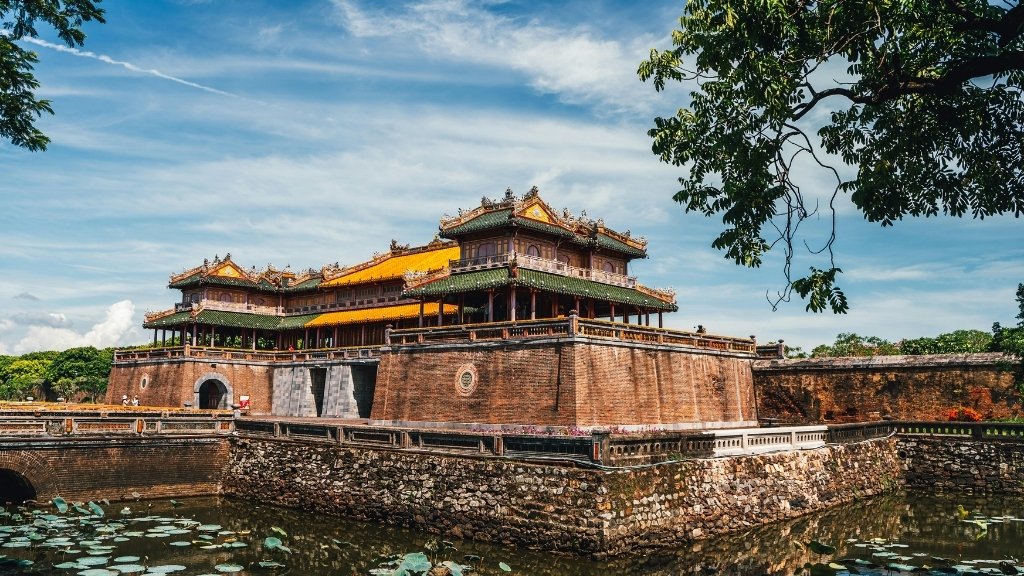
When planning your trip, knowing the best time to visit Hue is essential for a comfortable and memorable experience. Hue has a tropical monsoon climate with distinct dry and wet seasons that impact travel.
- Dry Season (March to August): Considered the best time to visit Hue, with warm, sunny weather perfect for sightseeing and outdoor activities. April to June can be hot, but clear skies and little rain make exploring the Imperial City, royal tombs, and river cruises enjoyable.
- Wet Season (September to January): Characterized by heavy rains and occasional typhoons, with possible flooding in October and November that may disrupt plans. Still, the wet season brings lush greenery and fewer tourists, ideal for travelers who don’t mind the rain.
📌 For a unique experience, try to visit Hue during its famous Hue Festival (every two years, usually April or May), featuring traditional music, dance, and royal ceremonies. Other great times include Tet Holiday and Mid-Autumn Festival for local cultural events.
Top 7 attractions you can’t miss in Hue
Traveling to Hue, Vietnam’s former imperial capital, means stepping into a world of ancient citadels, royal tombs, and peaceful rivers. These Hue travel tips will guide you through top attractions and local insights, making it easier to plan your perfect trip. Get ready to explore the best of Hue’s history, culture, and charm!
The imperial city of the Nguyen dynasty
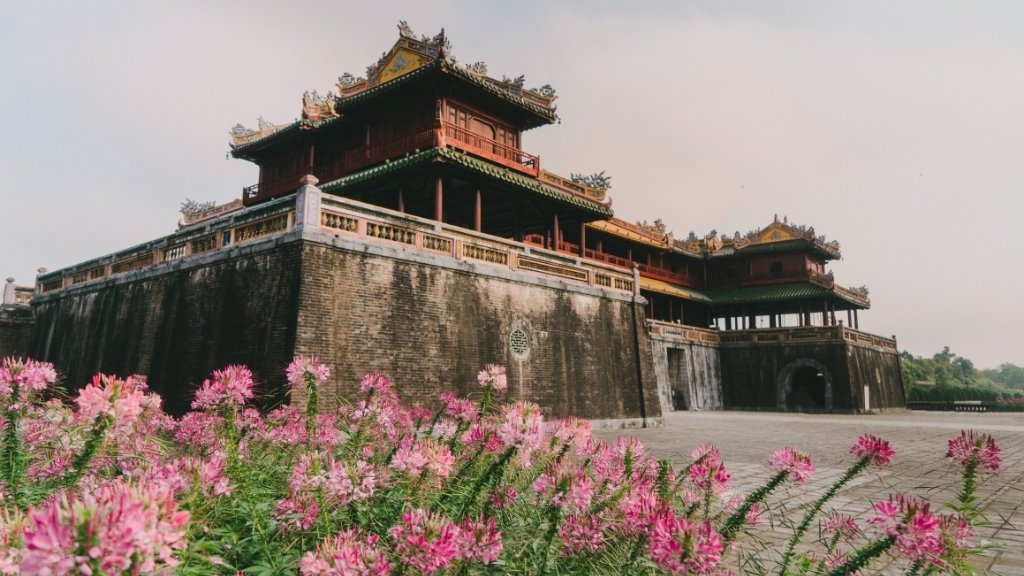

One of the most iconic Hue tourist attractions, the Imperial City was the political and cultural heart of Vietnam under the Nguyen Dynasty. Surrounded by moats and thick walls, this UNESCO World Heritage Site features palaces, temples, and ancient architecture. It offers a fascinating glimpse into Vietnam’s imperial past.
⏰ Opening hours:
- Summer (April to September): 6:30 AM – 5:30 PM
- Winter (October to March): 7:00 AM – 5:00 PM
💸 Entrance fee (as of 2025):
- Adults: 200,000 VND ($7.75)
- Children (under 12): 40,000 VND ($1.55)
- Tourists also have the option to use Hue Imperial City guide services for an additional cost of 150,000 VND per guide ($5.82).
The mausoleums of the Nguyen dynasty


The royal mausoleums of the Nguyen Dynasty are among the most remarkable Hue tourist attractions, offering a deep look into imperial architecture, philosophy, and history. Each tomb was uniquely designed to reflect the personality and preferences of the emperor it honors.
- Tomb of Minh Mang: Known for its harmonious layout, this tomb blends Confucian symmetry with natural landscapes of lakes, gardens, and bridges.
- Tomb of Tu Duc: Surrounded by pine trees and lotus ponds, Tu Duc’s tomb feels more like a tranquil retreat. It reflects the emperor’s poetic soul and love for nature.
- Tomb of Khai Dinh: The most elaborate of all, this tomb combines Vietnamese and European architectural styles, with intricate mosaics and a stunning dragon-decorated staircase.
You can also refer: Top 5 must-see imperial tombs in Hue for your Vietnam trip
Thien Mu pagoda

Perched on the banks of the Perfume River, Thien Mu Pagoda is one of the oldest and most sacred landmarks in central Vietnam. With its iconic seven-story Phuoc Duyen Tower, peaceful gardens, and panoramic river views, it’s a must-see in any Hue travel guide. The pagoda is not only an architectural gem but also a living spiritual site with deep ties to Vietnam’s history and Buddhism. For your Hue travel itinerary, plan a late afternoon visit to enjoy the sunset and a scenic boat ride back to the city.
Chuon lagoon in Tam Giang

Chuon Lagoon, part of the Tam Giang Lagoon system and located about 12 km from Hue city center, is a peaceful spot perfect for nature and culture lovers. It’s famous for stunning sunrises and sunsets, traditional fishing activities, and fresh local dishes like bánh khoái cá kình (crispy pancake with fish). According to Hue travel tips, the best time to visit is from April to August. Be sure to include Chuon Lagoon in your Hue travel itinerary for an authentic and scenic riverside experience.
Traditional craft villages in Hue

Traditional craft villages are some of the most authentic Hue tourist attractions, offering insight into the region’s rich heritage and skilled artisanship. These villages are perfect for travelers seeking cultural depth and unique souvenirs. Here are a few must-visit spots:
- Thanh Tien Paper Flower Village: Famous for handmade paper flowers used in local rituals and decorations.
- Sinh Village: Known for folk woodblock paintings that reflect Hue’s spiritual and cultural life.
- Phu Cam Village: A historic village specializing in traditional conical hats (nón lá), a symbol of Vietnamese charm.
- Thuy Xuan Incense Village: A colorful village where locals produce beautifully scented incense sticks by hand.
Dragon boat cruise on the Perfume river
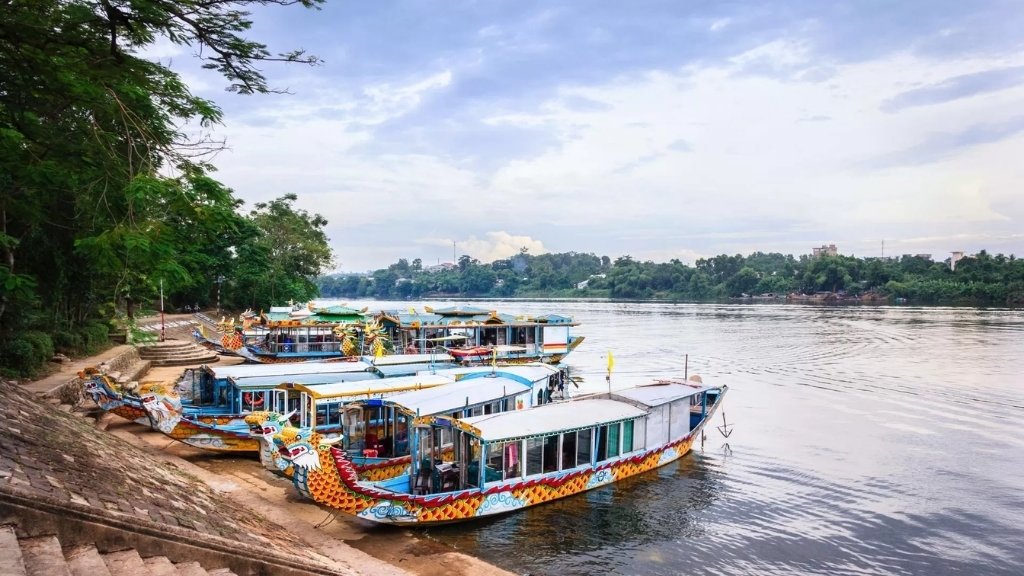
Stretching over 80 km, the Perfume River is the heart and soul of Hue. Legend has it that over 100 years ago, the river carried a strong scent of flower petals falling and flowing along the streams, hence the name Perfume River.
Today, the scent may not be as strong due to the enormous amount of boats and river cruises on the Perfume River, but it is still a popular landmark for foreigners and locals alike. You can dine on the Perfume River while admiring a stunning view of the sunset and the sparkling lights that illuminate the Trang Tien Bridge.
Dong Ba Market
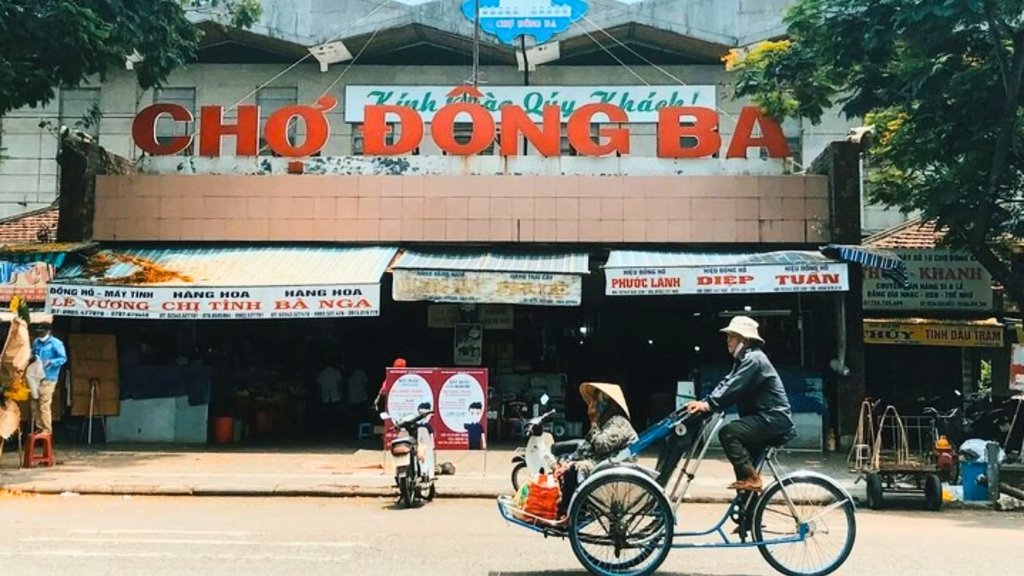
For those seeking a lively local experience, Dong Ba Market is the perfect place to explore. Established in 1887 under King Dong Khanh, this historic market is one of Hue’s oldest and most vibrant trading centers. Inside, you’ll find everything from clothing, household items, fresh and dried foods, souvenirs, and handicrafts. It’s also an excellent spot to sample Hue’s signature dishes, such as Bun Bo Hue (spicy beef noodle soup) and Banh Beo (steamed rice cakes).
Hue travel tips: Best transportation for your trip
When traveling to Hue, selecting the best mode of transportation is essential. This Hue travel guide offers useful tips on the best transportation options to help you navigate the city and make the most of your trip.
How to get to Hue city
Getting to Hue city is convenient with several transport options, making it easy to include in your Vietnam itinerary.
- By plane: Phu Bai International Airport serves Hue with flights from Hanoi, Ho Chi Minh City, and Da Nang. From the airport, taxis and shuttle buses take you to the city center quickly.
- By train: The Reunification Express runs along the scenic coast between Hanoi and Ho Chi Minh city, stopping at Hue Railway Station. This is a popular choice for travelers wanting to enjoy beautiful landscapes.
- By bus: Regular buses connect Hue with major cities and nearby provinces. This is an affordable option, though travel times can be longer.
- By motorbike or private car: Many tourists rent motorbikes or cars to explore Central Vietnam, arriving in Hue via National Highway 1A or the scenic Ho Chi Minh Highway.
📌 Hue travel tips: Book flights and train tickets early, especially during holidays or festivals, to get the best rates and avoid last-minute hassle.
How to get around Hue
Getting around Hue is simple and enjoyable thanks to its compact size and variety of transport options. Visitors can explore the city by renting motorbikes, bicycles, or using taxis and ride-hailing apps like Grab for convenience. Many of the Hue tourist attractions are close to each other, making cycling a popular choice for a leisurely and scenic way to see the sights. For longer trips, such as visiting the royal tombs or nearby villages, motorbikes or taxis offer flexibility and comfort.
Where to stay in Hue: Best places for tourists
Looking for the perfect place to stay in Hue? The city offers everything from elegant luxury hotels to charming, budget-friendly guesthouses. Whether you’re traveling for relaxation or exploration, one of the top Hue travel tips is to choose your accommodation based on your needs – each option provides a unique and memorable experience.
3-star hotels in Hue for your stay
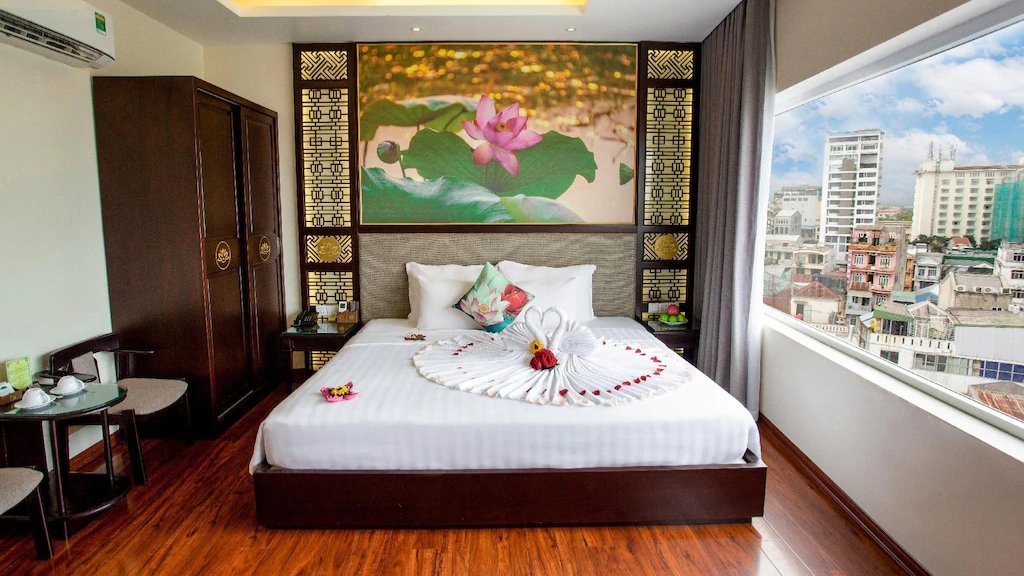

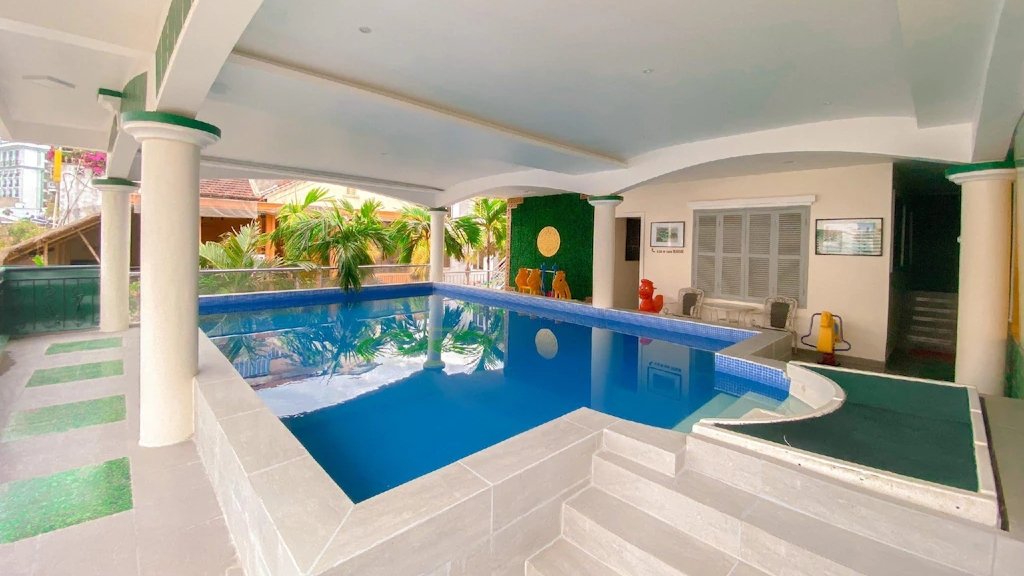
If you’re looking for comfort, convenience, and great value, 3-star hotels in Hue are a fantastic choice. These hotels often offer cozy rooms, helpful staff, and modern amenities at reasonable prices – perfect for both solo travelers and families.
📌 Here are some popular 3-star hotels in Hue that travelers love:
- Thanh Lich Hue Hotel
- The Scarlett Boutique Hotel
- Hue Ecolodge
- Hue Serene Palace Hotel
4-star hotels in Hue for your stay


For those seeking a balance between luxury and affordability, 4-star hotels in Hue offer stylish rooms, excellent service, and a wide range of facilities. They’re ideal for travelers who want a bit more comfort while still keeping an eye on the budget.
📌 Here are some highly rated 4-star hotels in Hue worth checking out:
- Spatel d’Annam
- Anhill Boutique
- Century Riverside Hue
- Romance Hotel
5-star hotels in Hue for your stay


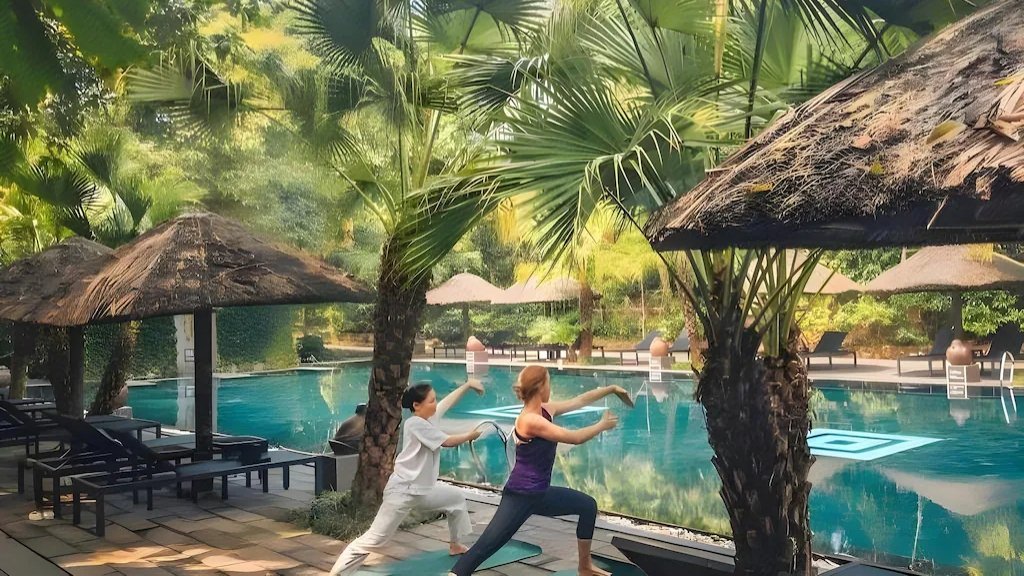


Want to indulge in a truly luxurious stay? 5-star hotels in Hue provide world-class service, elegant rooms, spa facilities, and fine dining – all wrapped in stunning architecture and serene settings. Perfect for honeymoons, special getaways, or simply treating yourself.
📌Take a look at some of the top 5-star hotels in Hue for an enjoyable experience:
- Vedana Lagoon Resort & Spa
- Pilgrimage Village Resort & Spa
- Silk Path Grand Hue Hotel
- Azerai La Residence Hue
What to eat in Hue: Must-try local dishes
For traveling to Hue city, don’t miss out on exploring its unique and delicious cuisine. In this section, we’ll explore must-try dishes in Hue, each offering a taste of the country’s culinary heritage and an unforgettable experience for your taste buds.


- Bun bo Hue: Spicy beef noodle soup with rich broth, lemongrass, and tender beef slices. A signature Hue specialty.
- Com hen: Rice topped with baby clams, peanuts, crispy pork skin, and fresh herbs – a local favorite.
- Banh beo: Steamed rice cakes served with shrimp, scallions, and crispy shallots, usually eaten as a snack or light meal.
- Nem lui: Grilled pork skewers served with rice paper, fresh herbs, and dipping sauce.
- Banh khoai: Hue-style savory pancakes filled with shrimp, pork, and bean sprouts, crispy and delicious.
Hue travel guide: Essential items for your trip
When preparing your Hue travel itinerary, packing the right essentials is crucial for a smooth trip.
- Passport and visa: Make sure your passport is valid for at least six months. Check visa requirements for Vietnam before your trip.
- Vietnamese Dong (VND) and payment methods: Carry enough cash as some places may not accept credit cards. ATMs are available but sometimes limited in remote areas.
- Local SIM card: Buying a Vietnamese SIM card with data helps with maps, communication, and booking services.
- Clothing: Lightweight, breathable clothes suitable for Hue’s warm and humid climate. Don’t forget a raincoat or umbrella during the rainy season.
- Comfortable shoes: Essential for walking around Hue’s Imperial City, tombs, and markets.
- Sunscreen and hat: Protect yourself from strong sun exposure while sightseeing.
With its rich history and peaceful atmosphere, Hue offers a memorable travel experience. By following these Hue travel tips, you’ll be ready to fully enjoy exploring ancient citadels, cruising the Perfume River, and discovering local culture.
Plan your trip with confidence – and for a smooth journey from start to finish, travel with Hanoi Voyages.
FAQs
1. What are the must-see attractions in Hue?
Top attractions in Hue include the Imperial City of Hue, Thien Mu Pagoda, Nguyen Dynasty tombs, and Dong Ba Market.
2. How many days are enough for Hue?
2 to 3 days are enough to explore major attractions like the Imperial City of Hue, royal tombs, and take a cruise on the Perfume River.
3. When is the best time to visit Hue?
The best time to visit Hue is from March to August during the dry season, when the weather is sunny and ideal for sightseeing. April to June offers clear skies, though it can be quite hot.
4. What food should I try in Hue?
Must-try dishes include Bun Bo Hue, Banh Beo, and Com Hen.
5. How do I get to Hue from Hanoi or Ho Chi Minh City?
You can travel to Hue by plane, train, or bus. Flights are the fastest, while trains offer scenic views along Vietnam’s coastline.

Let us help you plan an unforgettable trip!




 Google
 Facebook
 Tripadvisor
 Trustindex


