


The best time to visit Thailand is definitely the rainy season from July to November. You will be rewarded with bonuses of cheaper accommodation, fewer tourists and fantastic scenery as the land becomes so lush and green. Generally, the rain does not interfere with travel as the rainfall only comes in short intense afternoon showers.
The weather in Thailand is almost the same in the North as in the South. There are three significant seasons that you should take into consideration when travelling to Thailand.
- November – February: 12°C-22°C (54°F-71°F)The best times to visit Thailand, as there are little rainfall and moderate temperatures. Northern Thailand can get quite cold during this time of the year and particularly in the early morning and late at night.
- March – June: 34°C-40°C (93°F-104°F)Hot season occurs, and the heat can be unbearable. The coasts in the South is the best place to visit in the warm season.
- July – October: 29°C (84°F)Wet season and Southern Thailand gets significantly more rain during this time than the North.

North and Central of Thailand
- October – February: 17°C – 26°C (62°F-79°F)
- March – May: 20°C – 40°C + (68°F – 104°F)
- June – September: 28°C – 34°C (82°F – 93°F)
Top destinations



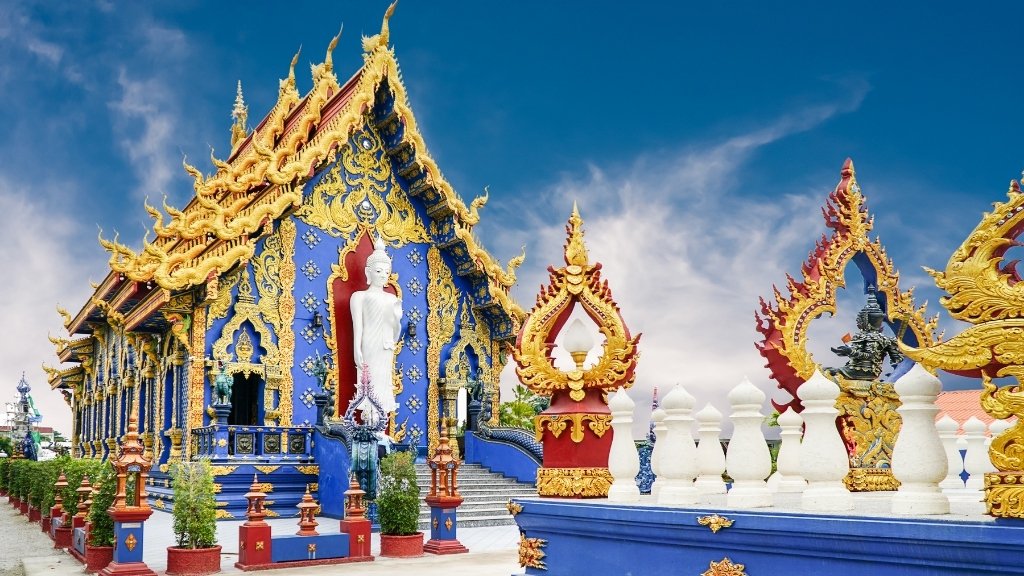

The cities that are located in these regions are Bangkok, Chiang Mai, Chiang Rai, and Kanchanaburi.
November to May is the best time to visit the Northern and Central regions. You will experience little or no rain together with lower temperatures compared to the rest of Thailand. The temperatures start to rise from January, and in March to May, sometimes high as 40°C+ (104°F).
The worst time to go has to be monsoon season. It lasts from May to July, where downpours last for two hours. The rain becomes more massive and constant when reaching August/September. The Northern and Central parts of Thailand usually get around 1.400 millimeters of rain a year.
East Coast of Thailand
- December – February: 25°C (77°F)
- March – May: 29°C – 35°C (84°F – 95°F)
- June – September: 30°C (86°F)
Top destinations on the East Coast



Go to the East Coast for Koh Samui, Koh Phan Ngan, Hua Hin, and Khanom.
The best time to travel here is from December to February where there is little or no rain together with refreshing winds that keep the temperatures down. Due to the heavy wind, it creates ideal conditions for water sports enthusiasts in this season.
In June the weather will start changing towards a wet season with afternoon downpours. The monsoon will arrive in September where humidity will rise as well as plenty of rainfall, reaching a temperature of 30°C (86°F). The rainfalls will peak between October and November, making the area less attractive to visit ergo less crowded.
West Coast of Thailand
- November – March: 26°C – 32°C (79°F – 90°F)
- March – October: 30°C – 36°C (86°F – 97°F)
Top destinations on the West Coast


In the West Coast of Thailand, you will find beautiful islands of Phuket, Krabi, Koh Phi Phi, and Koh Cang.
The best time to visit here is from November to March where the temperatures are more comfortable than in the summer season. The humidity will also be lower due to a breeze that comes during this period.
When reaching March, the humidity will start to rise together with the temperatures and in September to October peak rainfall levels are usually experienced. Outside of these months, the rainfall will come in short heavy downpour in the afternoon.
Tips for choosing the best time to visit Thailand
Thailand welcomes travelers year-round, but a little timing strategy can go a long way toward making your trip more comfortable and rewarding. Whether you’re planning your first visit or a return journey, the tips below will help you align your expectations, weather preferences and budget for the smoothest experience.
- Book in advance if traveling during high season (Dec–Feb and April): These are the busiest months in Thailand, with ideal weather and major events like Christmas, New Year and Songkran. Booking flights and accommodation early ensures better prices and availability, especially in popular destinations.
- Travel in the shoulder season (May or November) for good weather and better prices: These months sit between the high and rainy seasons, offering a nice balance of pleasant weather, fewer tourists and more affordable travel options. It’s a smart choice for travelers looking to avoid both crowds and heavy rainfall.
- Pack appropriately for the season: Thailand’s climate is warm and humid most of the year, so lightweight, quick-drying clothes are ideal. If you’re traveling during the rainy season, a compact umbrella or waterproof gear will keep you dry and comfortable.
- Stay flexible if possible – adjusting travel dates: Being open to slight changes in your schedule can help you avoid sudden weather shifts, catch an unexpected festival, or find better airfare and accommodation deals – especially during transitional periods.
- Consider travel insurance during the rainy season: Between June and October, weather-related disruptions can affect flights or ferries, particularly to islands. A good insurance policy provides peace of mind and helps cover unexpected costs if plans change.
There’s no one-size-fits-all answer to the best time to visit Thailand – it all depends on the kind of experience you’re looking for. Whether it’s relaxing on tropical beaches, joining vibrant festivals, exploring ancient temples, or traveling on a budget, Thailand delivers something memorable in every season.
Once you’ve chosen the time that suits your travel goals, let Hanoi Voyages help you turn that vision into a well-crafted journey. With expert planning and personalized service, we’ll make sure you experience the very best of the Land of Smiles – your way.

Let us help you plan an unforgettable trip!




 Google
 Facebook
 Tripadvisor
 Trustindex


