


Thailand is a country that enchants travelers with golden temples, vibrant street life, flavorful cuisine and a culture that feels both ancient and dynamic. At the heart of Bangkok, its bustling capital, lies one of the most famous temples in Bangkok: Wat Pho. Known as the Temple of the Reclining Buddha, this iconic landmark offers an unmissable mix of history, spirituality and traditional Thai massage.
In this blog, you’ll find everything you need to explore Wat Pho – highlights to see, practical travel tips, entrance fee details and opening hours. To make your experience even more special, Hanoi Voyages can design a tailor-made Thailand itinerary that turns your trip into a truly unforgettable journey.
History and significance of Wat Pho
Wat Pho, officially called Wat Phra Chetuphon, is one of the oldest and most revered temples in Bangkok. The temple was originally built in the 16th century during the Ayutthaya period and was later expanded and restored by King Rama I in the late 18th century. Under King Rama III, the temple became a center of learning, housing inscriptions on medicine, history and literature, many of which are now recognized by UNESCO as part of the Memory of the World program.
Today, Wat Pho is celebrated not only as the home of the Reclining Buddha but also as the birthplace of traditional Thai massage. For travelers who want to connect with Thailand’s cultural and spiritual heritage, there is no better place to begin than here.
What are the most impressive things to see in Wat Pho?
When you explore Wat Pho, you’ll find more than just one attraction. The temple grounds cover 80,000 square meters and house a variety of remarkable sights.
The Reclining Buddha

The Reclining Buddha (Phra Buddhasaiyas) is the highlight of Wat Pho. This enormous statue measures 46 meters in length and 15 meters in height, completely covered in gold leaf. The soles of the Buddha’s feet, each 4.5 meters long, are decorated with mother-of-pearl inlay depicting 108 auspicious symbols. Along the hall, visitors can drop coins into 108 bronze bowls, a practice believed to bring good fortune and support temple maintenance.
Temple architecture and grounds of Wat Pho

Wat Pho features a vast complex of stupas, halls and courtyards. There are 91 chedis (stupas), including four large chedis dedicated to the first four kings of the Chakri Dynasty. The temple also houses the largest collection of Buddha images in Thailand – over 1,000 statues gathered from across the country. The intricate porcelain mosaics and Chinese stone sculptures scattered throughout the grounds add extra charm.
Traditional Thai Massage School

One of the most unique things to see in Wat Pho is its traditional massage school, founded in 1955. It is considered the birthplace of Thai massage and remains one of the most prestigious institutions for learning this ancient healing art. Visitors can enjoy a 30-minute or one-hour massage right at the temple, or even join short training courses.
Murals, inscriptions and statues in Wat Pho


Beyond its grand monuments, Wat Pho’s walls are adorned with murals depicting Buddhist cosmology, folklore and daily life in old Siam. The famous stone inscriptions provide knowledge on Thai medicine and yoga positions and dozens of statues demonstrate poses and acupressure points used in traditional healing.
Make your Bangkok trip unforgettable by exploring Wat Pho and continuing with Hanoi Voyages tours.
How can visitors plan their trip to Wat Pho?
Before you explore Wat Pho, it’s helpful to know some practical details about visiting. The temple is located in Bangkok’s Old Town, making it easy to combine with other landmarks.
Location and transport

Wat Pho is situated in Bangkok’s Old Town, right next to the Grand Palace and close to the Chao Phraya River. Many travelers prefer taking the riverboat, as it avoids traffic and offers scenic views. From Tha Tien Pier, it’s just a short walk to the temple entrance.
- By boat: Take the Chao Phraya Express to Tha Tien Pier, 5 minutes on foot.
- By taxi or tuk-tuk: Widely available, but expect traffic in Old Town.
- By bus: Several routes pass nearby, though it can be less comfortable.
Wat Pho opening hours
- Open daily: 8:00 AM – 6:30 PM
- Best time: morning, before tour groups arrive
Wat Pho welcomes visitors open every day, with generous visiting hours. Early mornings are particularly pleasant, offering a quieter atmosphere before most tour groups arrive.
Wat Pho entrance fee
- Entrance fee: 200 THB per adult (includes bottled water)
- Children under 120 cm: Free admission
- Massage sessions: 260–420 THB (optional)
Entry to the temple is affordable and tickets include a complimentary bottle of water. Children below a certain height enter free, while the traditional Thai massage service at the temple carries a separate cost depending on duration.
Dress code and etiquette
- Dress code: Modest clothing, shoulders and knees covered
- Etiquette: Remove shoes in sacred areas, keep voices low
As with all famous temples in Bangkok, visitors are expected to dress respectfully. Clothing should cover shoulders and knees, shoes must be removed before stepping into sacred halls and photography should be done quietly to maintain the temple’s serene atmosphere.
What other famous attractions are near Wat Pho?
Wat Pho sits in the heart of Bangkok’s Old Town (Rattanakosin Island), which means there are plenty of nearby landmarks you can combine into a single day of exploration. After you finish discovering the things to see in Wat Pho, here are more highlights to add to your itinerary:
The Grand Palace and Wat Phra Kaew

Just a 10-minute walk from Wat Pho, the Grand Palace is Bangkok’s most famous landmark. Inside, you’ll find Wat Phra Kaew (Temple of the Emerald Buddha), considered the most sacred Buddhist temple in Thailand. Pairing the Grand Palace with Wat Pho gives you two of the most famous temples in Bangkok in one trip.
Wat Arun
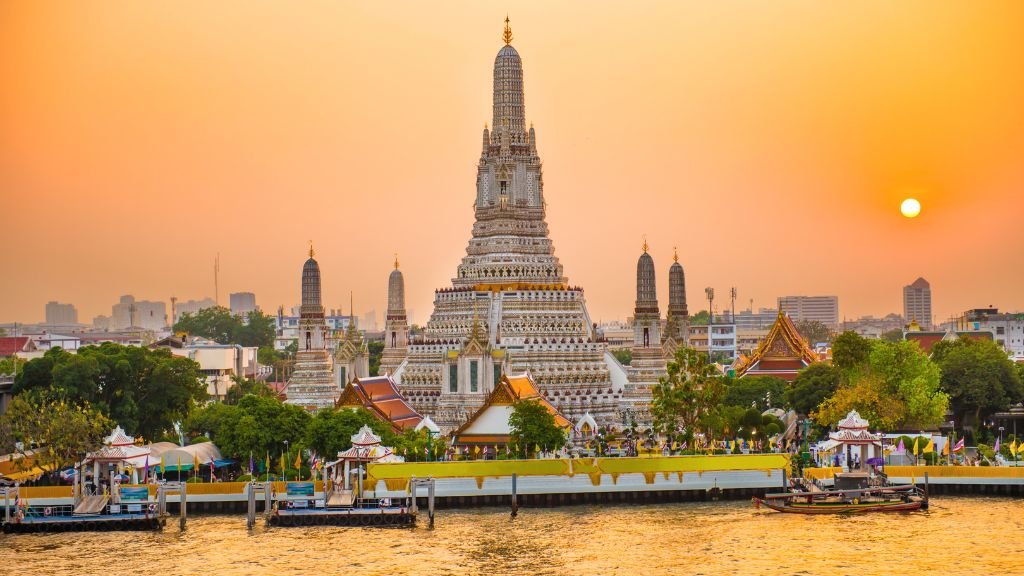
Directly across the Chao Phraya River, Wat Arun is another must-see. You can reach it with a short ferry ride from Tha Tien Pier, right next to Wat Pho. Climb its steep steps for panoramic views of the river and city skyline, especially magical at sunset.
Chao Phraya River and Tha Tien Market
After you explore Wat Pho, stroll to the nearby Tha Tien Market for street food and local snacks. From there, hop on a riverboat for a scenic ride along the Chao Phraya River, passing more temples, bridges and traditional houses along the banks.
Museum of Siam
Located a short walk away, this interactive museum introduces Thai history and culture in a modern, engaging way. It’s a great stop if you’re traveling with kids or want a deeper cultural context after visiting Wat Pho.
Some tips when you explore Wat Pho

When you plan to explore Wat Pho, a few insider tips can make your visit smoother and more memorable. Since it is one of the most famous temples in Bangkok, it attracts large crowds, especially during weekends and holidays.
- Arrive early in the day: With Wat Pho opening hours starting at 8:00 AM, mornings are the best time to enjoy the serene atmosphere and take photos without too many people around.
- Dress respectfully: As Wat Pho is an active religious site, modest clothing covering shoulders and knees is required. If you forget, sarongs are available at the entrance.
- Bring cash for entrance fee and extras: The Wat Pho entrance fee is 200 THB per adult and massage services inside the temple complex are paid separately in cash.
- Stay hydrated: Bangkok’s tropical climate can be exhausting. Luckily, your ticket includes a free bottle of water.
By following these tips, you’ll make the most of your visit and gain a deeper appreciation for this iconic temple.
Visiting Wat Pho offers a unique chance to experience Bangkok’s spiritual and cultural richness up close. Enhance your journey by letting Hanoi Voyages craft a tailored tour that combines Wat Pho with nearby historic temples, vibrant markets and riverside highlights, ensuring a seamless and memorable Bangkok adventure.
Let us help you plan an unforgettable trip!




 Google
 Facebook
 Tripadvisor
 Trustindex


