


Hue is a destination where history, culture, and tranquility come together to create an unforgettable travel experience. From the timeless beauty of the Imperial City of Hue to the peaceful flow of the Perfume River, every corner of the city reflects its rich imperial heritage and slow, poetic charm.
In this Hue travel guide, you’ll discover:
- The best time to visit Hue for ideal weather and experiences
- A perfect 2–3 day itinerary covering top attractions
- Must-try Hue dishes you shouldn’t miss
- Practical travel tips to help you plan a smooth and enjoyable trip
For a seamless and enriching journey, let Hanoi Voyages help you explore Hue with thoughtfully designed itineraries that bring together culture, cuisine, and local experiences.
Table of Contents
Best time to visit Hue: Travel guide by season
The best time to visit Hue is from March to April, when the weather is warm, dry, and not yet too hot – perfect for sightseeing, outdoor activities, and exploring historical landmarks.
Hue has a tropical monsoon climate with two main seasons, each offering a different travel experience:
Dry season (March – August):
This is the most popular time to visit Hue, with plenty of sunshine and minimal rainfall. March to April offers the most comfortable temperatures, while May to August can be very hot, often exceeding 35°C. Despite the heat, it’s still a great time to explore the Imperial City of Hue, visit royal tombs, and enjoy boat rides along the Perfume River.
Rainy season (September – February):
This period brings cooler temperatures, frequent rain, and occasional flooding, especially from October to November. However, it’s also the best time for travelers who prefer fewer crowds, lower prices, and a more peaceful atmosphere.
📌 Travel tip: If you visit in even-numbered years, don’t miss the Hue Festival, a major cultural event featuring traditional performances, music, and royal-inspired ceremonies.
Hue in 2 to 3 days: What to do and see
Hue’s rich historical and cultural heritage can be fully appreciated in a well-structured itinerary. Whether you have two or three days, this guide ensures you make the most of your visit by covering the city’s must-visit places in Hue, natural landscapes, and local experiences.
Below is a thoughtfully curated itinerary to help you explore Hue’s fascinating past and vibrant present.
Day 1: Imperial City – Thien Mu pagoda – Relaxing boat ride on the Perfume river
Imperial City
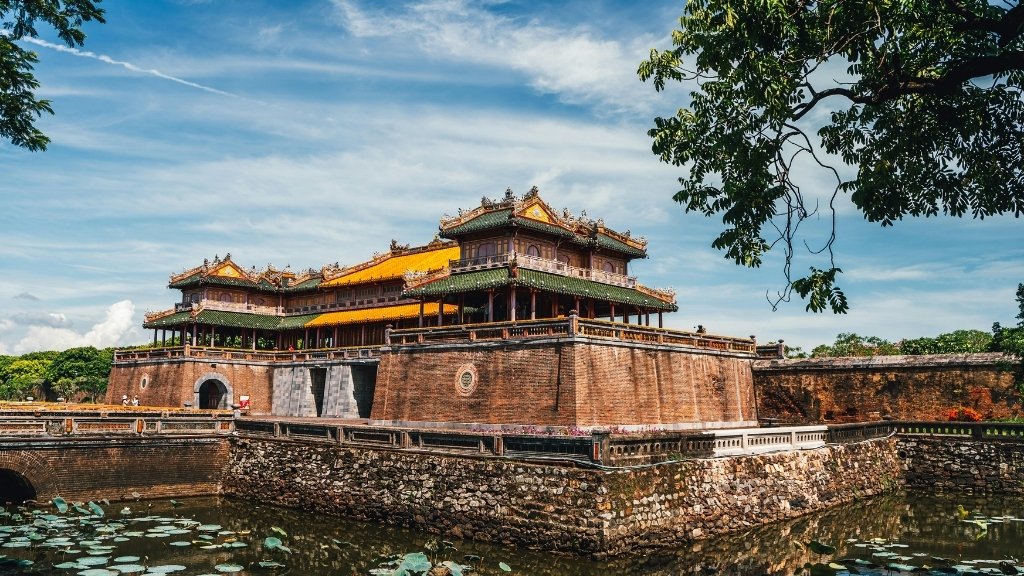
Begin your first day in Hue with a visit to the Imperial City, a UNESCO-listed historical complex that once served as the political and cultural heart of the Nguyen Dynasty. As you pass through the grand Ngo Mon Gate, you’ll step into a world of ancient splendor, where vast courtyards, intricate temples, and the Forbidden Purple City tell the story of Vietnam’s last imperial rulers. Spend your morning exploring the well-preserved halls, admiring the elaborate architecture, and immersing yourself in the city’s regal past.
Perfume river

After delving into the grandeur of the Imperial City, continue your journey to the Perfume River, an iconic waterway that flows through the heart of Hue. Stroll along its peaceful banks or take a moment to admire the serene scenery that has inspired poets and artists for centuries. As the sun begins to set, embark on a tranquil boat ride, letting the gentle current guide you through the city’s poetic landscape. If you’re lucky, you may even catch a performance of traditional Hue folk music onboard, adding an enchanting touch to your evening.
Thien Mu pagoda
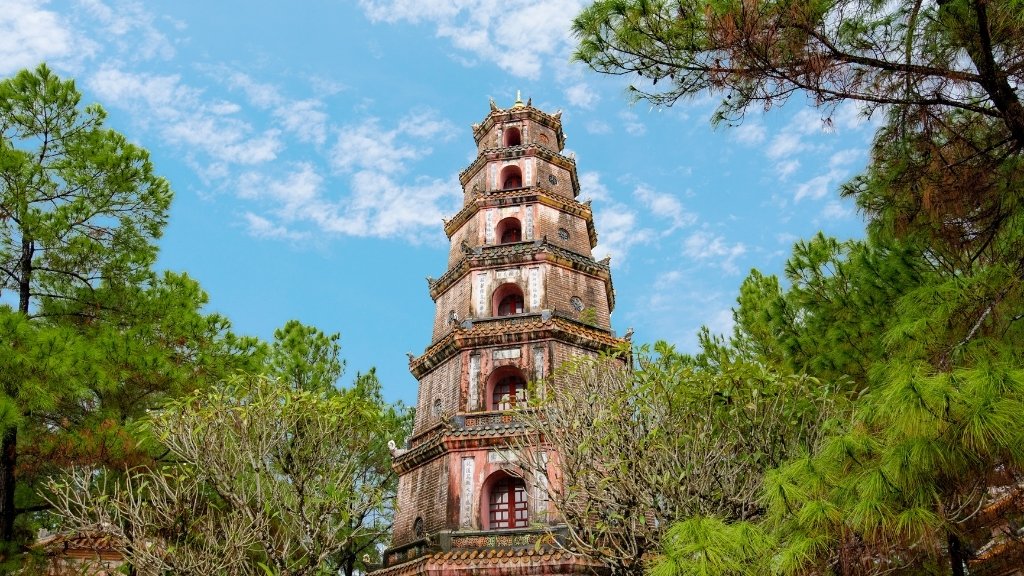
Conclude your day with a visit to Thien Mu Pagoda, Hue’s most famous religious site, perched on a hill overlooking the Perfume River. This seven-story pagoda, built in the 17th century, is not only an architectural marvel but also a place of spiritual significance. Take time to appreciate the peaceful atmosphere, admire the giant bell and the historic Austin car tied to Buddhist history, and enjoy the sweeping views of the river before heading back to your accommodation.
Day 2: Hue royal tombs – Dong Ba market – Thuy Xuan incense village
Minh Mang tomb
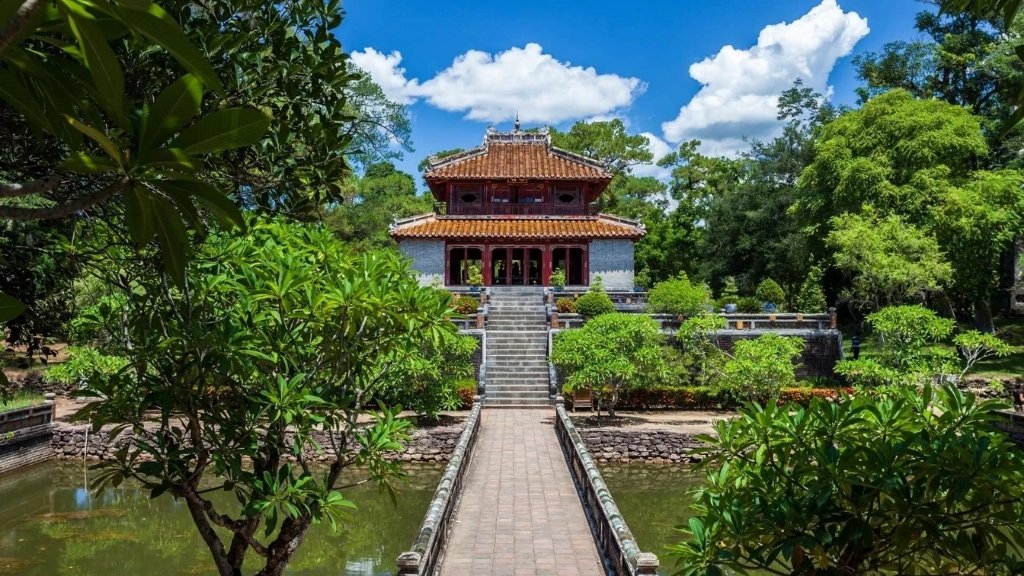
The Minh Mang Tomb is a grand imperial mausoleum dedicated to Emperor Minh Mang and is part of the UNESCO-listed Royal Tombs of Hue. Constructed during the Nguyen Dynasty, this expansive site houses 40 architectural structures, harmoniously blending nature and design. Notable highlights include the Dai Hong Mon Gate, Minh Lau Pavilion, and other sacred areas that reflect the emperor’s vision and philosophy. The serene setting, surrounded by lush gardens and a tranquil lake, offers visitors a glimpse into Hue’s royal heritage.
Opening hours: 6:30 AM – 6:00 PM (Daily)
Entrance fee:
Adults: 150,000 VND ( ~$6 )
Children: 30,000 VND ( ~$1 )
Free for children under 6 years old
Tu Duc tomb

Often regarded as the most poetic of Hue’s royal tombs, the Tu Duc Tomb was designed as both a retreat and final resting place for Emperor Tu Duc. Spanning a vast area, the complex includes nearly 50 structures, such as Vu Khiem Gate, Khiem Cung Gate, Luu Khiem Lake, and Khiem Mausoleum. The layout reflects the emperor’s refined taste, blending elegant architecture with picturesque scenery, making it one of the most beautiful tombs in Hue.
Opening hours: 6:30 AM – 6:00 PM (Daily)
Entrance fee:
Adults: 150,000 VND ( ~$6 )
Children: 30,000 VND ( ~$1 )
Free for children under 6 years old
Khai Dinh tomb

Also known as Ung Tomb, the Khai Dinh Tomb stands out as the most opulent of Hue’s royal mausoleums. Constructed for Emperor Khai Dinh, this tomb fuses Vietnamese, Chinese, and European architectural styles, making it a unique historical site. Unlike the natural landscapes of Minh Mang and Tu Duc Tombs, Khai Dinh’s resting place features elaborate mosaics, towering stone statues, and intricate carvings, showcasing a striking blend of East and West.
Opening hours: 6:30 AM – 6:00 PM (Daily)
Entrance fee:
Adults: 150,000 VND ( ~$6 )
Children: 30,000 VND ( ~$1 )
Free for children under 6 years old
Dong Ba market
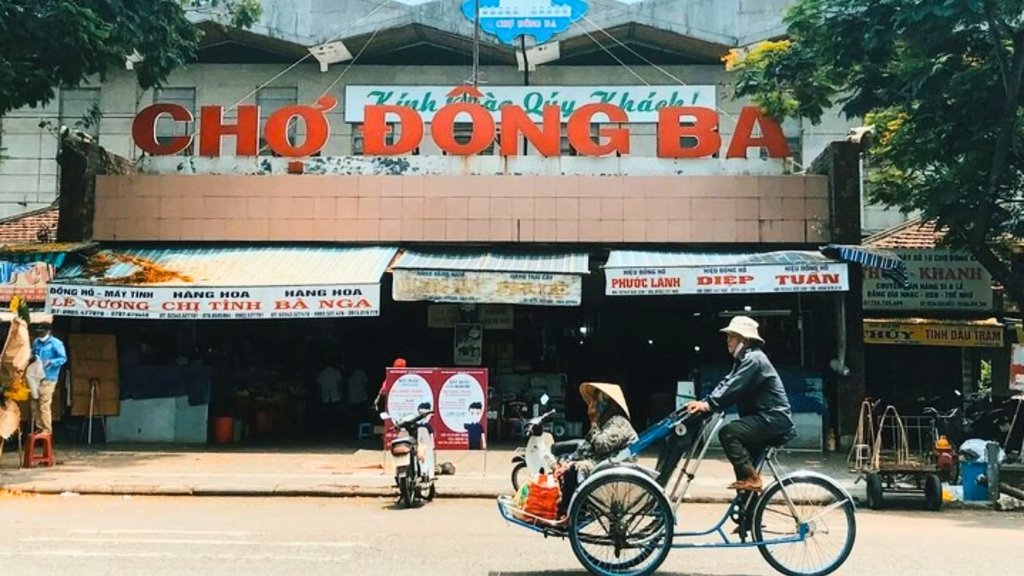
For those seeking a lively local experience, Dong Ba Market is the perfect place to explore. Established in 1887 under King Dong Khanh, this historic market is one of Hue’s oldest and most vibrant trading centers. Inside, you’ll find everything from clothing, household items, fresh and dried foods, souvenirs, and handicrafts. It’s also an excellent spot to sample Hue’s signature dishes, such as Bun Bo Hue (spicy beef noodle soup) and Banh Beo (steamed rice cakes).
Thuy Xuan incense village

A visit to Thuy Xuan Incense Village offers a glimpse into the traditional art of incense-making. This vibrant village, adorned with rows of colorful incense sticks, is a visual delight. Here, you can participate in the hands-on experience of making incense while learning about the cultural and spiritual importance of this craft. The skilled artisans will guide you through the process, making this a memorable stop on your Hue itinerary.
Day 3: Thuan An beach – Tam Giang lagoon
Thuan An beach
On your final day in Hue, take a break from the historical sites and immerse yourself in the region’s natural beauty. Head to Thuan An Beach or Lang Co Beach, where soft sands and gentle waves create a perfect setting for relaxation. Whether you prefer sunbathing, swimming, or enjoying fresh seafood at a beachside restaurant, these coastal retreats provide a refreshing change of pace.
Tam Giang lagoon

For a truly unique experience, venture to Tam Giang Lagoon, the largest lagoon system in Southeast Asia. This serene and expansive waterway is home to fishing villages and floating markets, offering a glimpse into the daily lives of local fishermen. If you visit in the late afternoon, you’ll be rewarded with one of the most breathtaking sunsets in Hue, as the sky turns brilliant shades of orange and pink over the tranquil waters.
What to eat in Hue: Local cuisine guide

Hue’s cuisine is an essential part of its charm, offering a blend of royal delicacies and flavorful street food. Whether you’re visiting for a short stay or exploring Hue in 2-3 days, sampling the best food to try in Hue is a must. Here are some dishes you shouldn’t miss:
Bun bo Hue – This signature beef noodle soup is known for its bold, spicy broth, infused with lemongrass and shrimp paste. Served with tender beef slices, pork, and fresh herbs, it delivers a rich and aromatic taste that defines Hue’s cuisine.
Banh beo – These delicate, steamed rice cakes are topped with minced shrimp, crispy pork skin, and scallion oil, then drizzled with a savory fish sauce. Served in small bowls, they offer a light yet flavorful bite.
Com hen – A rustic yet delicious dish made with cold rice topped with tiny baby clams, peanuts, fried shallots, herbs, and a touch of fermented shrimp paste. It’s a unique combination of textures and flavors that reflects the simplicity of Hue’s traditional meals.
Nem lui – Grilled pork skewers wrapped around lemongrass stalks, served with fresh vegetables, rice paper, and peanut dipping sauce. This dish is a must-try for barbecue lovers.
Che Hue – A sweet and refreshing dessert made from a variety of ingredients such as mung beans, lotus seeds, coconut milk, and jelly. Hue is famous for its wide selection of chè, each offering a different combination of textures and flavors.
Practical tips for a perfect Hue trip
A well-planned trip ensures a smooth and memorable experience in Hue. Keep these practical tips in mind to explore the city with ease and fully enjoy its rich history and culture.
Rent local transportation
To fully explore Hue, consider renting a motorbike or hiring a local driver. This allows easy access to off-the-beaten-path locations like Thuan An Beach and Tam Giang Lagoon.
Dress respectfully
Many sites in Hue, including temples and royal tombs, require modest clothing. Avoid wearing revealing outfits when visiting these locations.
Book tickets in advance
Popular sites like the Imperial City and traditional performances can get crowded. Booking tickets in advance helps you avoid long queues.
Learn basic Vietnamese phrases
The locals in Hue appreciate small efforts in communication. Simple words like “Xin chào” (Hello) and “Cảm ơn” (Thank you) can make your interactions more meaningful.
You can get more information: Hue travel tips: 7 best ways to prepare for your trip
Exploring Hue in 2-3 days offers a perfect balance of history, culture, and relaxation. Whether you’re discovering must-visit places in Hue, enjoying a peaceful boat ride, or tasting the best food to try in Hue, every moment in this ancient city is unforgettable.
Make the most of your trip by planning with Hanoi Voyages – your trusted travel expert. Let us create a seamless and personalized itinerary so you can experience Hue’s rich heritage and scenic beauty without the hassle.
Contact Hanoi Voyages today and start your unforgettable journey in Hue!
FAQs
1. Is 2 to 3 days enough to explore Hue?
Yes, 2–3 days is perfect to explore top attractions like the Imperial City of Hue, royal tombs, and enjoy a boat ride on the Perfume River.
2. What should I do in Hue in 3 days?
A 3-day itinerary typically includes visiting the Imperial City, Thien Mu Pagoda, royal tombs, local markets, craft villages, and relaxing at beaches or lagoons nearby.
3. What are the must-visit attractions in Hue?
Top attractions include the Imperial City of Hue, Thien Mu Pagoda, royal tombs, and Dong Ba Market.
4. Which royal tombs should I visit in Hue?
The most popular tombs in Hue are Minh Mang, Tu Duc, and Khai Dinh, each showcasing unique architecture and imperial history.
5. How to spend 2 days in Hue?
In 2 days, you can explore the Imperial City of Hue and take a boat ride on the Perfume River on Day 1. On Day 2, visit the royal tombs and stop by Dong Ba Market or a traditional craft village.
6. Are Hue’s attractions close to each other?
Many attractions in the city center are close, but royal tombs and places like Thuy Xuan Incense Village are located further out and require transport.

Let us help you plan an unforgettable trip!




 Google
 Facebook
 Tripadvisor
 Trustindex


