


The best time to visit Central Vietnam is generally from February to April, when the weather is warm, dry, and ideal for both sightseeing and beach activities. However, each season offers a different travel experience depending on your preferences.
Central Vietnam is known for its diverse landscapes, from the beaches of Da Nang to the historic towns of Hoi An and Hue. But the region’s weather can vary significantly throughout the year, with a clear contrast between the dry season and the rainy season.
In this guide, you will discover everything you need to know about Central Vietnam weather, including the best months to visit, when to avoid heavy rain, and practical travel tips to plan your trip with confidence.
Ready to choose your dates and start mapping out your adventure? Let’s dive in!
Table of Contents
Central Vietnam weather by month: what to expect year-round


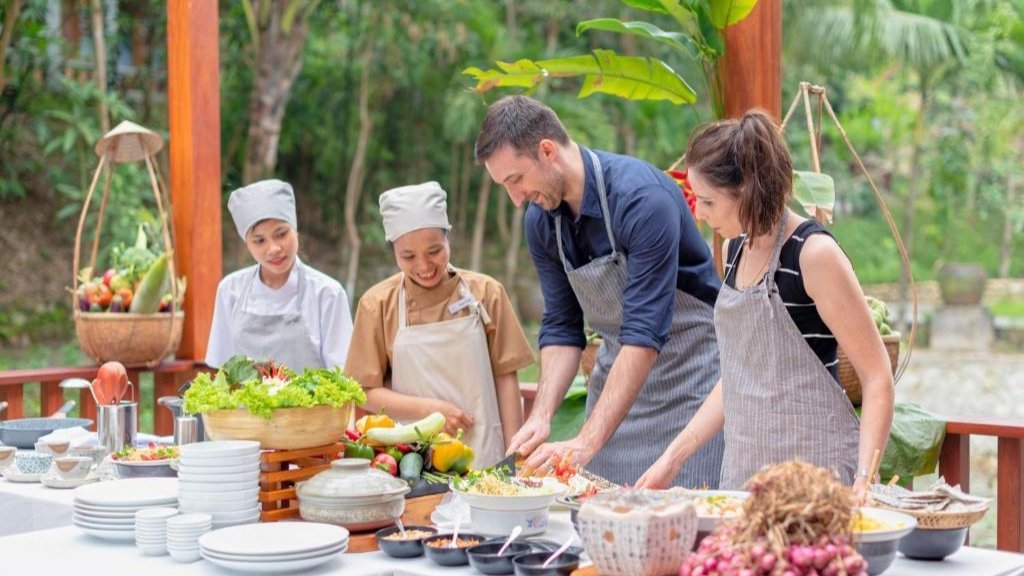
Central Vietnam has a tropical monsoon climate, which means warm temperatures throughout the year but clear seasonal contrasts. If you’re planning your trip, you’ll quickly notice that the weather can change significantly depending on the month. Understanding the Central Vietnam weather by month will help you choose the best time to visit based on your travel preferences
Dry season in Central Vietnam (January to August)
- Average temperature : 24 – 34°C (75 – 93°F)
The dry season is generally considered the best time to visit Central Vietnam. During these months, you can expect plenty of sunshine, blue skies and very little rainfall, making it perfect for outdoor activities and beach holidays.
From January to March, the weather is relatively mild and comfortable, ideal for exploring cultural sites such as Hoi An, Hue or Da Nang. From May to August, temperatures rise and the days become hotter, but the bright sunshine makes it a great time for coastal experiences.
Rainy season in Central Vietnam (September to December)
- Average temperature : 20 – 28°C (68-82°F)
The rainy season in Central Vietnam brings higher humidity and more frequent rainfall, especially between October and November when storms and typhoons can occur.
That said, this period also has its own charm. The landscapes become lush and green, and the atmosphere feels quieter and more peaceful. For travelers who don’t mind occasional rain, this can be a good time to enjoy fewer crowds and more affordable travel experiences.
When is the best time to visit Central Vietnam ?
In general, the best time to visit Central Vietnam is from February to August, when the weather is dry, sunny and ideal for both sightseeing and beach activities.
However, the ideal time can vary depending on your travel style:
- February to August: perfect for beach lovers and outdoor activities, with long sunny days and clear skies
- January to March: cooler temperatures and fewer tourists, ideal for a more relaxed and comfortable trip
- September to December: a quieter and more budget-friendly period, with green landscapes and fewer crowds, although occasional rain and typhoons should be expected
👉 Quick tip:
If you’re looking for the best overall experience, March to July is often considered the most balanced period, combining good weather, manageable temperatures and great conditions for both cultural visits and beach time.
Where to go in Central Vietnam by season
Looking for the best time to visit Central Vietnam? From sun-drenched days perfect for outdoor adventures in the dry season to the rainy months that bring cultural gems and serene landscapes to life, every season offers a unique way to explore this stunning region.
Outdoor adventures in the dry season
The dry season in Central Vietnam, from January to August, brings warm temperatures, clear skies and minimal rainfall – perfect conditions for outdoor activities.
Many travelers consider this period the best time to visit Central Vietnam, as beaches, mountains and islands are at their most stunning, offering ideal opportunities for hiking, trekking and exploring nature.
Hue

In the dry season, Hue enjoys its best weather with clear skies, low rainfall and warm sunshine, making the Imperial City, royal tombs, and the Perfume River even more captivating. This period is often considered the best time to visit Hue, with pleasant Hue weather conditions ideal for exploring cultural highlights and outdoor attractions — let’s discover some recommended activities in Hue during this time.
- Explore the Hue Imperial Citadel – Wander through palaces, temples and royal tombs under clear skies.
- Visit Thien Mu Pagoda – Enjoy serene views along the Perfume River.
- Cruise the Perfume River – Take a boat trip to see historic sites and riverside landscapes.
- Cycle around the countryside – Ride through peaceful villages, rice paddies and local markets.
- Try local cuisine – Sample Hue’s royal-inspired dishes like bún bò huế or bánh bèo at open-air markets.
📌 Tips
- Carry cash – Some local markets and small food stalls may not accept cards.
- Use local transport wisely – Renting a bicycle or motorbike can make exploring easier in sunny weather.
Hoi An


Hoi An in the dry season turns into a vibrant canvas of lanterns – lit streets, sunny beaches, and sparkling rivers. It’s the perfect time to enjoy culture, flavors, and outdoor charm – here are some must-try experiences in Hoi An this time of year.
- Cycle through the countryside – Ride past rice paddies, rivers and small villages for a scenic experience in Hoi An.
- Relax at An Bang or Cua Dai Beach – Enjoy sunbathing, swimming and beachside cafés in sunny weather.
- Visit Hoi An Coconut Forest – Paddle through waterways shaded by lush coconut palms and experience the peaceful rural scenery.
📌 Tips
- Bring a hat or light clothing for strolling the Ancient Town and lantern-lit streets
- Plan your visits early morning or late afternoon to enjoy the sights before it gets too hot.
Da Nang
Da Nang shines in the dry season, from My Khe Beach to Marble Mountains and the Han River waterfront. If you’re wondering when to visit Da Nang, this period is considered the best time to visit Central Vietnam, offering ideal conditions for exploring cultural sites, relaxing on beaches, and enjoying outdoor adventures.
- Relax at My Khe Beach – Swim, sunbathe, or enjoy water sports along this famous sandy beach.
- Visit Marble Mountains – Hike up the hills, explore caves, pagodas and enjoy panoramic views of the city and coastline.
- Explore Son Tra Peninsula – Trek through lush forests, spot wildlife and take in breathtaking viewpoints like the Linh Ung Pagoda.
- Ride the Hai Van Pass – Go on a scenic motorbike or car ride along this coastal mountain pass with stunning ocean views.
- Watch the Da Nang International Fireworks Festival – Enjoy spectacular fireworks displays held every summer, lighting up the night sky along the Han River.
📌 Tips
- Bring comfortable walking shoes – Many attractions like Marble Mountains or Son Tra Peninsula require hiking or climbing.
- Stay hydrated with local drinks – Coconut water, sugarcane juice and fresh smoothies help beat the heat.
Nha Trang

Nha Trang in the dry season glows with sunny skies, turquoise waters, and lively beach vibes. It’s the ideal time to dive into island adventures, relax on pristine beaches, and savor fresh seafood—here are the top things to do in Nha Trang during the dry season.
- Relax on Nha Trang beach and enjoy sunbathing or swimming.
- Explore Hon Mun and nearby islands for snorkeling or diving.
📌 Tips
- Check tidal schedules – Some beach activities, like visiting sandbanks or snorkeling spots, are best at low tide.
Cultural experiences for the rainy season
Even in the rainy season, Central Vietnam is full of cultural treasures to explore. Travelers can visit royal tombs, ancient temples where the gentle rain and mist create a peaceful, atmospheric backdrop. This is the perfect time to immerse yourself in traditional Vietnamese culture. With fewer crowds, the rainy months offer a more authentic and intimate way to connect with the history, arts and daily life of the region.
And for those wondering about the best time to visit Central Vietnam, the rainy season provides a unique charm that shouldn’t be overlooked. Here are some recommended cultural activities to enjoy during this time.
Hue

Hue in the dry season is the ideal period to experiences best things to do in Hue such as:
- Explore the Imperial City and royal tombs – Enjoy the serene, misty atmosphere while discovering historic sites.
- Visit temples, pagodas and museums – Learn about Hue’s heritage while staying dry indoors.
- Join traditional cooking classes – Experience royal-inspired cuisine and local culinary traditions.
- Participate in handicraft or lantern workshops – Discover local arts and crafts in a cozy, sheltered setting.
Hoi An

- Join a lantern-making workshop – Learn to craft Hoi An’s iconic colorful lanterns and bring home a handmade souvenir.
- Explore the Ancient Town – Wander through atmospheric streets, enjoy the golden glow of lanterns reflected on wet roads.
- Take a Vietnamese cooking class – Discover local recipes and cook traditional dishes in a cozy kitchen.
- Visit museums and heritage houses – Step inside historic merchant houses and cultural museums to stay dry and soak up history.
Da Nang

- Explore the Cham Museum – Discover ancient Cham artifacts and sculptures that showcase the region’s rich cultural heritage.
- Visit Linh Ung Pagoda – Experience the peaceful atmosphere of one of Da Nang’s most iconic spiritual sites, home to the towering Lady Buddha statue.
- Check out Da Nang Fine Arts Museum – A great way to spend a rainy day while exploring local art, history and culture.
- Join a cooking class – Learn to prepare traditional Central Vietnamese dishes, perfect for immersing yourself in local flavors.
Phong Nha – Ke Bang

- Explore Phong Nha Cave – Even in the rainy season, the cave’s majestic stalactites and stalagmites create a mystical atmosphere.
- Visit Paradise Cave – Stay dry inside while walking along well-lit pathways and admiring impressive formations.
- Take a boat tour on Son River – Enjoy lush green landscapes and misty mountains from a covered boat, perfect for rainy days.
How many days to spend in Central Vietnam?
The ideal Central Vietnam itinerary usually ranges from 3 to 5 days, depending on how much you want to explore and your travel pace. This is enough time to experience the region’s highlights without feeling rushed.
- 3 days: perfect for a short trip, covering key destinations like Da Nang and Hoi An, with a mix of city sights, local culture and relaxation
- 4 to 5 days: the most recommended duration, allowing you to combine Da Nang, Hoi An and Hue, while enjoying a balance of cultural heritage, scenic landscapes and coastal experiences
With a well-planned itinerary, even a short stay can offer a great overview of Central Vietnam. If you have more time, you can travel at a slower pace and enjoy deeper, more immersive experiences.
Essential tips for traveling to Central Vietnam
Planning your trip around the best time to visit Central Vietnam can make all the difference. The region’s climate is split into two main seasons and each requires different preparation to ensure a smooth journey.
Tips for the dry season (January – August)
The dry season is often considered the best time to travel to Central Vietnam, especially if you’re looking for sunshine, blue skies, and beautiful beaches in places like Da Nang and Hoi An. However, the heat can be stronger than expected, particularly between May and August.
- Choose light and breathable clothing
The weather can feel very hot and humid, so packing cotton or linen outfits will make your days much more comfortable. - Stay hydrated during your trip
Whether you are walking through ancient towns or relaxing on the beach, drinking enough water is essential to avoid fatigue. - Book early to secure the best options
This is peak season in Central Vietnam, meaning hotels, tours, and transport can sell out quickly or become more expensive. - Protect yourself from strong sunlight
The UV index is high, so sunscreen, sunglasses, and a hat are must-have items for your trip.
Tips for the rainy season (September – December)
Traveling during the rainy season in Central Vietnam offers a different kind of charm. The atmosphere is quieter and more local, but the weather can be unpredictable, with heavy rain and occasional storms.
- Pack smart with waterproof items
A lightweight raincoat, waterproof shoes, and a dry bag will make a big difference when sudden rain arrives. - Keep your travel plans flexible
Rain showers can come and go quickly, so it’s helpful to leave space in your itinerary and plan indoor activities when needed. - Stay in central locations for convenience
Choosing accommodation near city centers helps you move around easily, even when the weather is not ideal. - Follow weather updates regularly
Checking forecasts is important, especially during periods when storms or typhoons may occur.
Central Vietnam is a destination that shines in every season, from golden beaches under the summer sun to misty mountains and cultural treasures during the rainy months. Knowing the best time to visit Central Vietnam helps you make the most of its diverse landscapes and unique experiences, whether you prefer outdoor adventures or immersive cultural journeys.
No matter when you go, each season offers its own charm—just pack smart, plan ahead and let the region’s beauty surprise you.
Ready to plan your perfect trip? Let Hanoi Voyages craft a tailor-made journey that matches your style and shows you the very best of Central Vietnam, at the right time for you!
1. Can I visit Central Vietnam all year round?
You can visit Central Vietnam year-round, but not every period offers the same experience. The months from September to November can bring heavy rain and occasional typhoons, which may affect travel plans. For a smoother and more enjoyable trip, most travelers prefer the dry season, especially from February to August.
2. Is Central Vietnam a good destination for a first-time visitor to Vietnam?
Definitely. Central Vietnam offers a great mix of culture, history, and beaches, making it an excellent introduction to the country. Choosing the right season will make your first experience even more comfortable and memorable.
3. Is it expensive to travel to Central Vietnam during peak season?
Yes, prices tend to be higher during peak months, especially from May to August and during holidays. Flights, hotels, and tours can increase significantly, so booking in advance is highly recommended to secure better deals and availability.
4. What are the must-try experiences in Central Vietnam?
Some of the most memorable experiences include relaxing on the beaches of Da Nang-Nha Trang, exploring the lantern-lit streets of Hoi An, and discovering the imperial history of Hue. You can also enjoy local cuisine, take a boat ride, or experience the countryside for a more authentic side of the region.
5. Which month is the hottest in Central Vietnam?
The hottest period usually falls between June and August, when temperatures can reach up to 35–40°C. July is often considered the peak of the heat, especially in inland areas.

Let us help you plan an unforgettable trip!




 Google
 Facebook
 Tripadvisor
 Trustindex


