


Vietnam is a country of remarkable contrasts, where every journey brings a different experience. From the atmospheric streets of Hanoi and the imperial heritage of Hue to the limestone landscapes of Ha Giang, the spectacular caves of Phong Nha and the sun-soaked beaches of Phu Quoc, the best Vietnam destinations each reveal a different side of the country. Recognising this extraordinary diversity, Lonely Planet has selected 10 of Vietnam’s most remarkable places to visit, offering inspiration for every kind of traveler, whether seeking cultural discoveries, outdoor adventures, vibrant city life or a relaxing beach escape.
If you are arriving for the first time

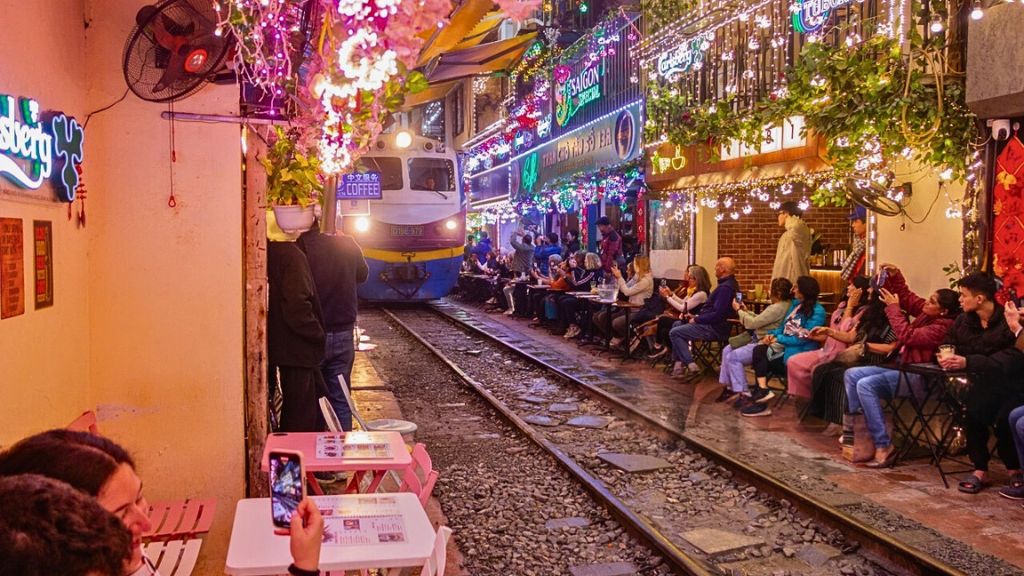
Every journey needs a sensible starting point and for newcomers that is Hanoi. The capital is easy to navigate and kind to a budget, with a food scene that holds its own against any in the world and a layered history visible on nearly every street. It is also the launchpad for some of the north’s headline experiences, including Ha Long Bay and the celebrated trekking routes of the northwest.

Wherever your itinerary takes you, eat on the street. For a taste of the city at its most convivial, pull up a plastic stool on Ta Hien Street, order a glass of draught bia hoi, and graze your way through the food stalls tucked into the surrounding alleys.
If you want to read the past
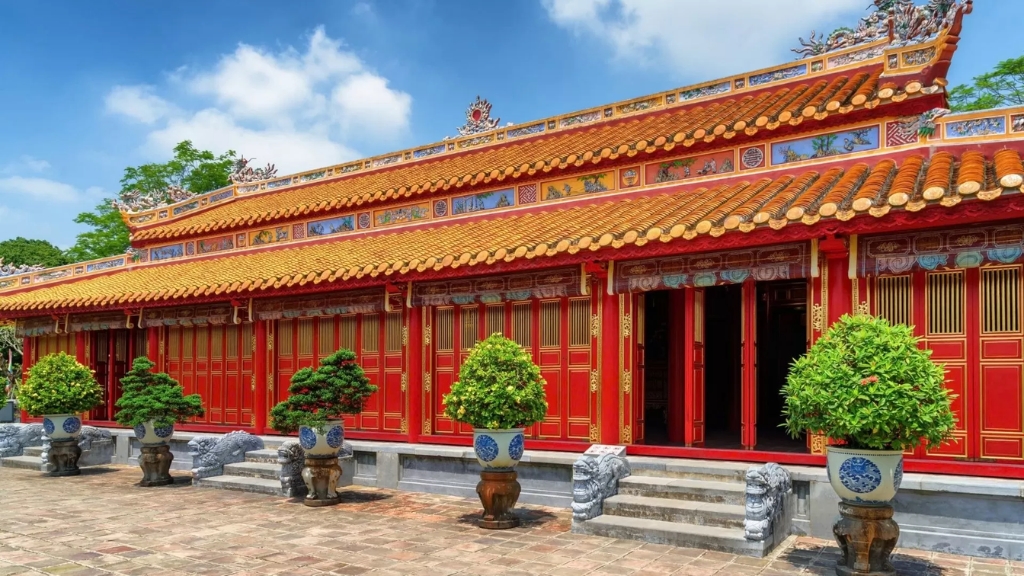
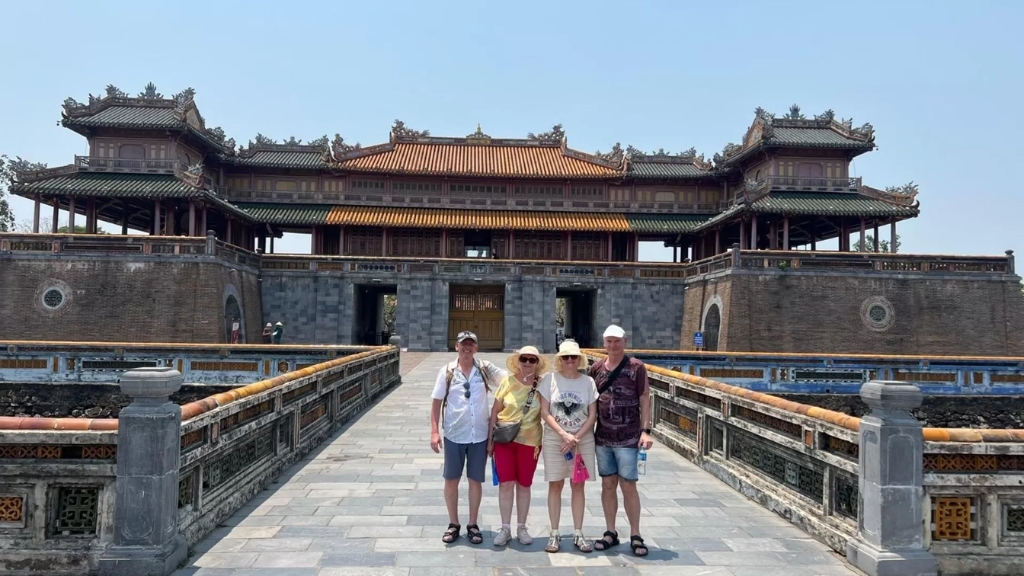
Vietnam’s history rarely sits behind glass, and nowhere is that clearer than in Hue. As the seat of the Nguyen Dynasty, the country’s last royal family, the city carries an imperial weight that even heavy wartime bombing could not erase. Much of the original architecture was lost, yet the Imperial Citadel and the Purple Forbidden City still convey the grandeur of the old capital. Beyond the center, the tombs of former emperors rest among greenery along the Huong River.
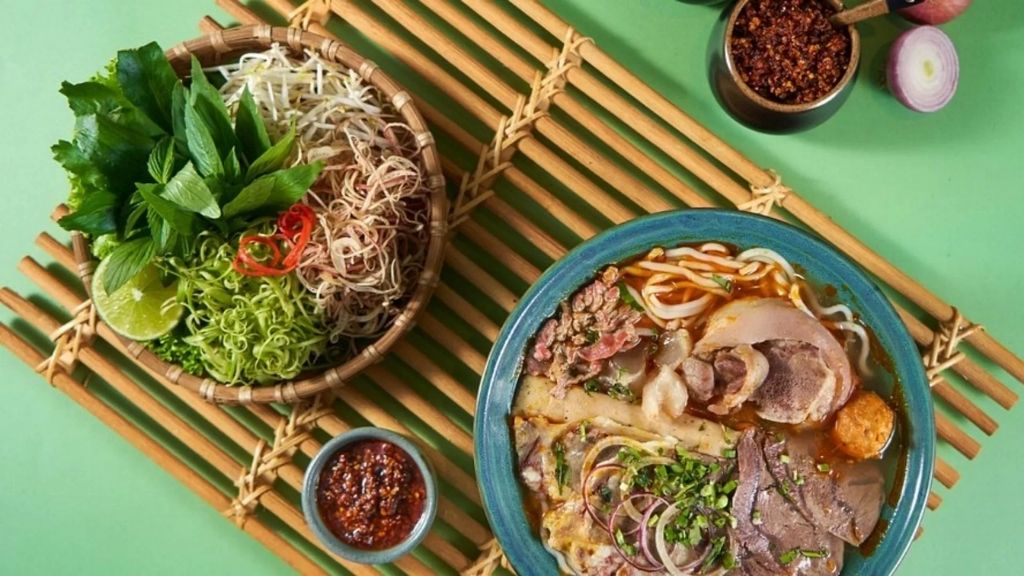
Hue’s heritage is just as present on the plate. Its royal cuisine is widely regarded as the pinnacle of Vietnamese cooking, so make room for a steaming bowl of spicy bun bo Hue and a crisp, savory banh khoai. To avoid the crowds at the tombs, rent a motorbike and explore at your own pace and leave time for the Thien Mu Pagoda.

Farther south, Hoi An invites you to step back even further. Once among Asia’s important trading ports, drawing merchants from places as distant as Japan, Spain and North America, it survives as an old town of tightly packed shophouses, a centuries-old covered bridge, Chinese assembly halls, pagodas and Confucian temples.
Its appeal goes beyond the architecture. Many visitors extend their stay to take hands-on cooking classes with local chefs, learning dishes such as “white rose” dumplings and fresh spring rolls, while others come for the tailor shops that turn out well-made custom clothing at modest prices. For a quieter side of the region, consider a homestay in Bho Hoong, a village of the Co Tu ethnic group, which offers insight into indigenous culture and a calm retreat from the town’s bustle. For those planning a Vietnam travel experience that combines cultural discovery, local traditions and authentic encounters, Hoi An and its surrounding villages are well worth exploring.
If you crave the city after dark

Ho Chi Minh City is Vietnam’s largest metropolis, and it is at its most compelling once the sun goes down. Sidewalks turn into open-air food courts, and roadside bars spill onto the pavement. Yet the city also keeps traces of its time on the front lines of war, which you can explore at the War Remnants Museum. Afterward, admire the French colonial architecture outside, then slow down in a café over a traditional ca phe phin, coffee brewed slowly through a small metal filter.

When the pace becomes too much, a day trip to nearby Tay Ninh offers a change of scene at the Cao Dai Holy See, a fascinating place to learn about Caodaism.
If you are chasing adventure
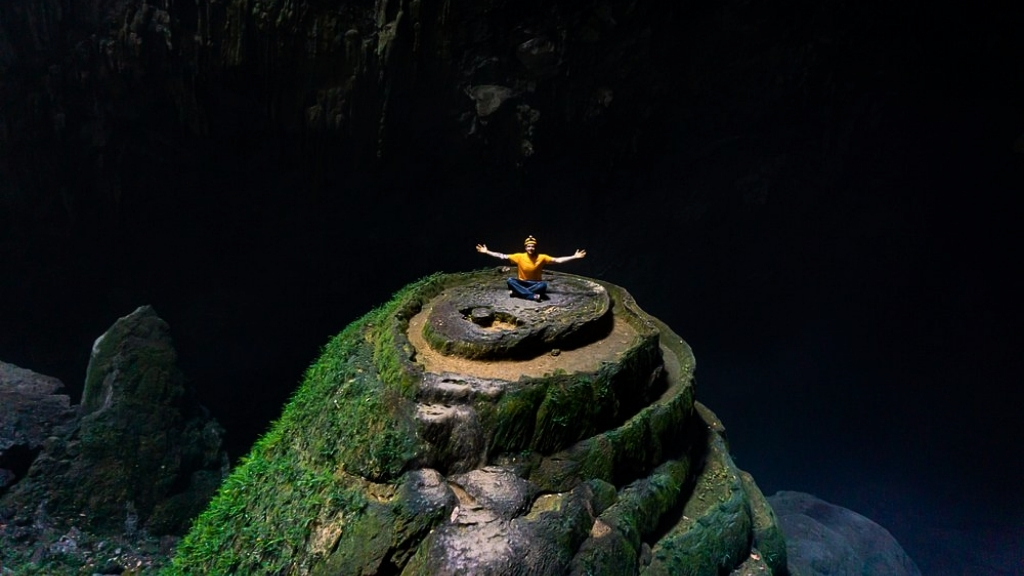
In Phong Nha, the star attraction is Son Doong, the largest cave in the world. Visitor numbers are tightly limited, and places are often booked years in advance, but the surrounding Phong Nha – Ke Bang National Park is riddled with other caverns. Here you can climb, squeeze through narrow passages, travel by boat along underground rivers and rappel down on ropes. More affordable options include Tu Lan, Phong Nha, Paradise (Thien Duong) and En caves, where campers on some treks pitch their tents on underground sandbars beneath enormous sinkholes, lit by shafts of daylight pouring through the openings.
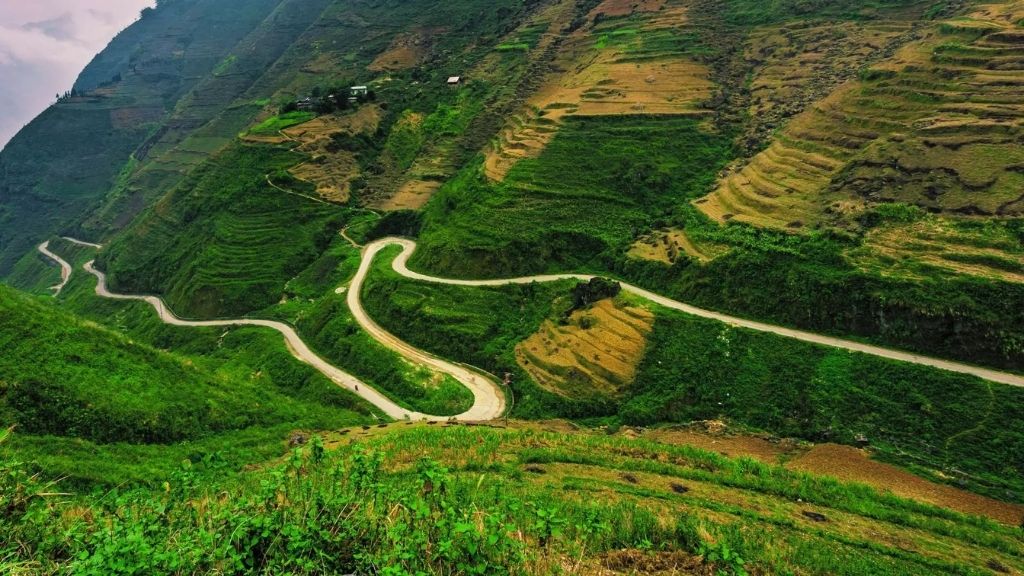
Up north, Ha Giang offers a different kind of thrill, and a far less crowded one. Travelers stay in village homestays, trek to ethnic minority hamlets, wander between terraced rice fields and limestone peaks, and ride the dramatic passes that link Ha Giang, Dong Van and Meo Vac. Every bend in those winding mountain roads seems to offer another photograph. Confident, experienced riders can rent a motorbike in Ha Giang City and tackle the highlands on their own, provided they hold a valid driver’s license. Everyone else can join a tour or hire a local guide who also serves as an “easy rider” driver.
If you want a beach escape

Beyond the world-famous Ha Long Bay lie Lan Ha Bay and Bai Tu Long Bay, equally striking and best seen from the deck of a traditional wooden junk. You can kayak among towering limestone karsts, hike the forest trails of Cat Ba island, or laze on the sands of Co To island, with plenty of beaches and excellent seafood restaurants along the way. On Cat Ba, trekking through the national park with a local guide is the best way to appreciate its unspoiled nature.

Further south, Phu Quoc is the place to slow down. Emerald water and soft white sand make it a natural spot for a sunset cocktail, and its family-friendly attractions, including the VinWonders theme park and Sun World Hon Thom Nature Park, have long drawn domestic and international visitors alike. For a change of scene, leave the busy beaches behind and explore the island’s dense forests. Getting there is simple, with many airlines flying direct, and foreign visitors can take advantage of a visa-free policy for stays of up to 30 days.
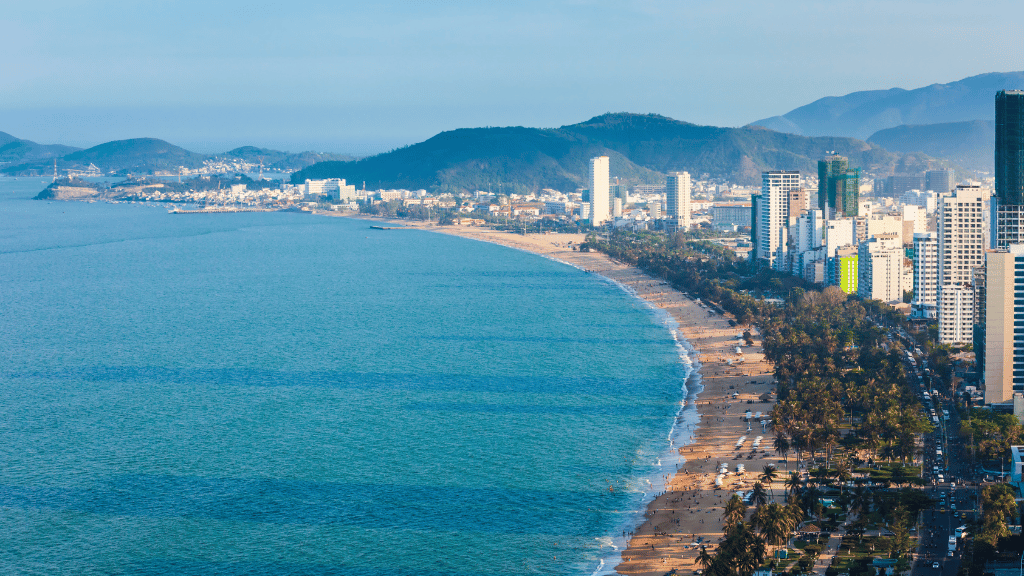
Along the central coast, long stretches of sand at Da Nang and Nha Trang are summer favorites. Those who prefer to avoid the busiest resort scenes can head to Mui Ne or Doc Let, where life moves at a gentler pace and the food is excellent. For real tranquility, try Thuan An beach, a sandy strip running along a spit of land surrounded by lagoons.
If you want to disappear into nature

Vietnam protects more than 30 national parks, spanning ecosystems from swamps to mountain forests. Some have become major tourist draws, but Ba Be National Park remains largely unspoiled. Here you can glide across mirror-still waters by boat or kayak, watching for macaques, langurs, rare Asian black bears, pangolins and crested serpent eagles. A stay in a family-run guesthouse in Pac Ngoi village is the best way to experience the peace of the place, far from the crowded tourist trail.
Vietnam’s diversity is what makes it such a rewarding destination, whether you are drawn to the energy of its cities, the stories behind its historic towns, the thrill of mountain adventures or the quiet beauty of its beaches and national parks. These ten destinations offer just a glimpse of what the country has to offer, and each can become part of a journey shaped around your interests, travel style and pace. With a well-planned itinerary, it is easy to combine several experiences and discover Vietnam beyond its best-known highlights. For a more personal journey, consider a tailor-made trip with local experts who can help you make the most of every stop along the way.




 Google
 Facebook
 Tripadvisor
 Trustindex


