


Vietnam has put forward five destinations for the 2026 “Best Tourism Villages” award organized by UN Tourism, according to the Vietnam National Authority of Tourism. The selected nominees include Lo Village (Dak Lak), Cat Cat community tourism village (Lao Cai), Bay Mau Coconut Forest (Cam Thanh, Da Nang), Mang Den Treehouse Village (Quang Ngai) and Huu Lien community tourism village (Lang Son).
Cat Cat community tourism village-Lao Cai
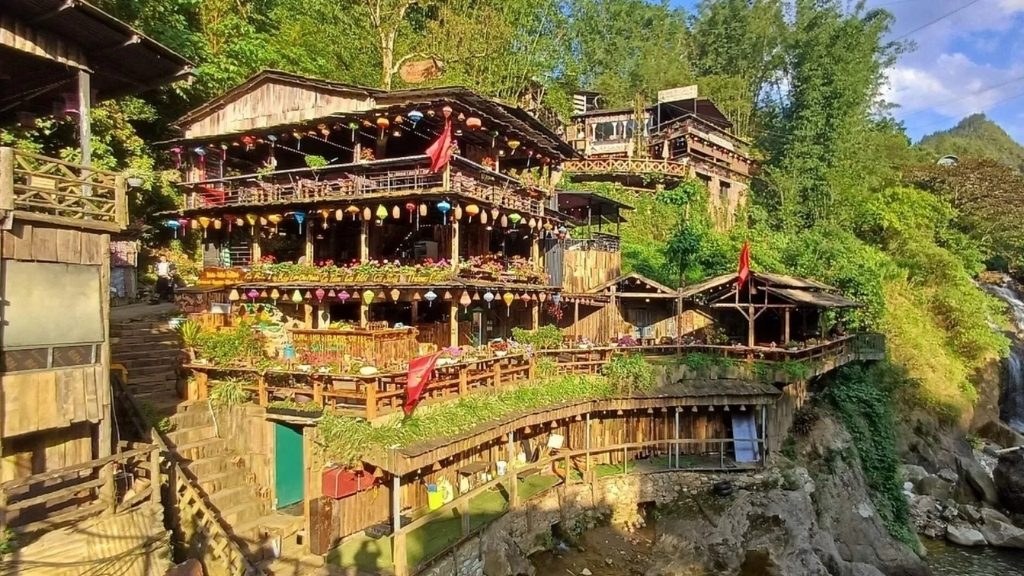
Located about three kilometers from Sa Pa town center on the route to Fansipan, Cat Cat is a long-established Hmong village dating back to the mid-19th century. Today, it has become one of the leading community-based tourism destinations in Vietnam’s northwestern highlands.
A stone-paved path winds along the hillside, leading visitors through terraced rice fields and clusters of traditional wooden houses. The landscape is enriched by streams, water wheels, wooden bridges and the picturesque Tien Sa Waterfall, creating a peaceful mountain setting.
Local Hmong residents continue to cultivate rice and preserve traditional crafts such as linen weaving and silver engraving. Visitors can explore handicraft displays, take part in local festivals, discover highland cultural practices and enjoy regional specialties including corn wine, “thang co” stew, smoked meat and duck blood pudding.
Huu Lien community tourism village-Lang Son
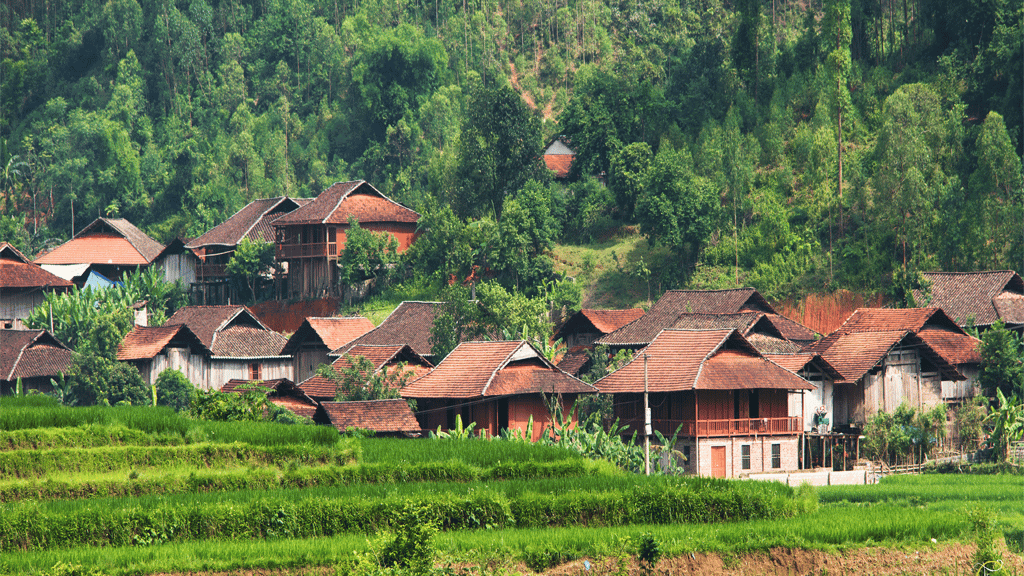
The Huu Lien Nature Reserve, part of the core zone of a UNESCO Global Geopark, Huu Lien stands out for its rich biodiversity, including protected forests, caves, limestone mountains and waterfalls.
The village currently features around 40 homestays and guesthouses, most designed in the traditional stilt-house style while offering modern comforts. Visitors can enjoy outdoor activities such as kayaking on Nong Dung Lake or camping at the Michi Camp eco-site.
One of the highlights is Dong Lam grassland, known for its ever-changing scenery. During the rainy season from July to October, the vast plain becomes partially submerged, creating a unique and dreamlike landscape.
Bay Mau Coconut Forest-Cam Thanh (Da Nang)

Just three kilometers from Hoi An Ancient Town, at the meeting point of the De Vong, Thu Bon and Hoai rivers, Bay Mau Coconut Forest offers a unique landscape where brackish waters nourish dense nipa palm groves. Once a strategic revolutionary base, the area has transformed into a vibrant ecotourism destination, often described as a “mini Mekong Delta” in central Vietnam.

Today, visitors are drawn to its iconic basket-boat rides, drifting through winding waterways shaded by lush coconut canopies. Since its launch in 2009 and especially after 2012, the experience has evolved into one of Hoi An’s most popular attractions. A standout moment is the basket-boat spinning performance, where skilled rowers twirl their boats on the water, creating a lively and memorable spectacle that captivates international travelers.
Mang Den Treehouse-Quang Ngai
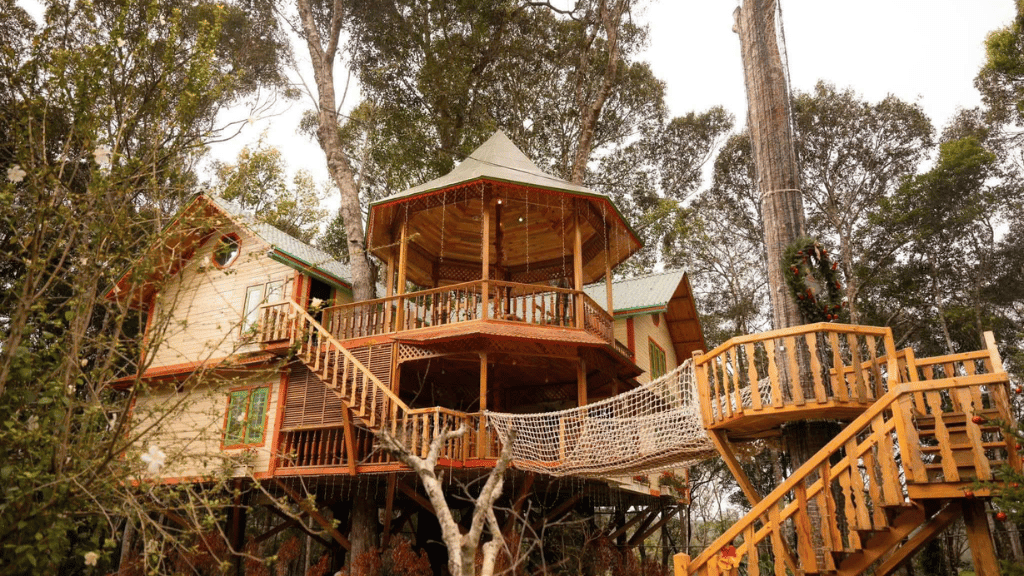
Nestled on Su Van Hanh Street near Dak Ke Lake in Mang Den, Mang Den Treehouse was officially recognized as a tourist attraction in August 2025. Surrounded by forested hills, the site invites visitors to slow down whether through meditation, reading, or simply listening to the sounds of nature.
Its standout feature is a collection of treehouses built on the trunks of old trees or elevated on tall wooden stilts, blending seamlessly into the landscape. Designed to evoke a sense of adventure while preserving the natural ecosystem, each unit is fully equipped and features a private balcony overlooking the valley or surrounding forest.
Beyond its tranquil setting, the destination offers a range of nature-based activities, including ziplining, a canopy skywalk, trekking, cycling and camping. With its balance of comfort and immersion in nature, Mang Den Treehouse is particularly suited to travelers seeking a peaceful retreat with opportunities for outdoor exploration.
Lo Village-Dak Lak
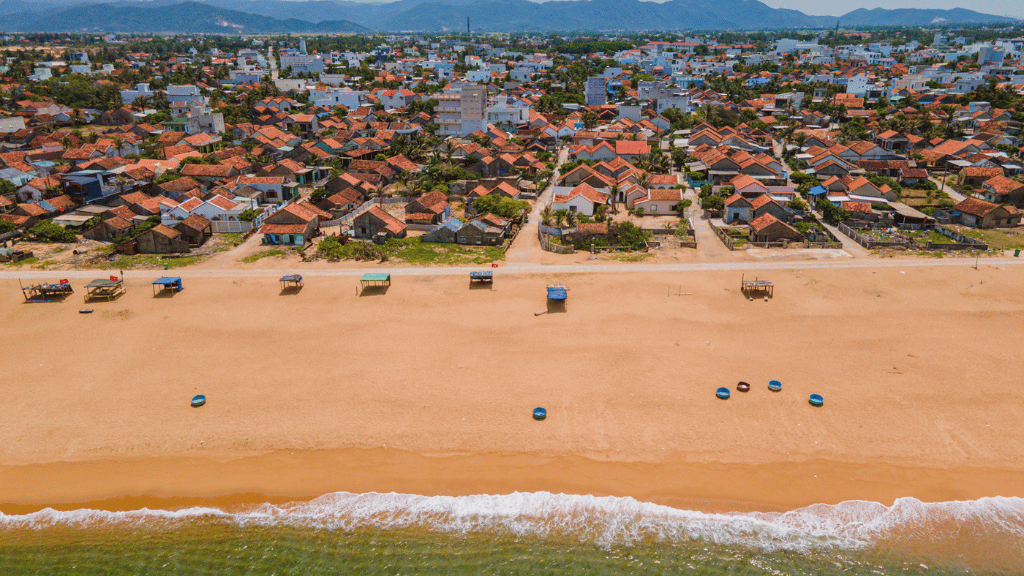
Located in Hoa Hiep ward, Lo Village spans more than 182 hectares and is home to around 10,600 residents. The village takes its name from the traditional “lo” kilns once used to smoke and dry seafood, a craft that sustained the local economy for decades. Today, it comprises about 1,500 households stretching along the southern coastline, with Lo 3 selected as the representative area for the award nomination.
Lo Village is distinguished by its rows of long-standing tile-roofed houses set among coconut trees, with narrow lanes leading directly to the sea. Fishing remains central to local life, complemented by traditional festivals that reflect the community’s coastal heritage.
Tourism began to develop before 2021, as visitors were drawn to its authentic fishing-village atmosphere and unspoiled seaside landscapes. The destination now features 72 accommodation establishments with a total of 459 rooms, supporting its growing appeal as a coastal tourism spot.
As global demand for sustainable and experience-driven travel continues to rise, Vietnam’s nominated villages stand as compelling examples of how tourism can celebrate culture, empower communities and protect the environment. Each destination offers a distinct story where heritage is preserved, nature is respected and local life remains at the heart of every experience.
For travelers in search of authenticity and deeper connection, these villages open the door to a more meaningful way of exploring Vietnam. Start planning your journey today and be among the first to experience the country’s most inspiring community-based destinations.




 Google
 Facebook
 Tripadvisor
 Trustindex


