


Are you packing your bag to Thailand? Curious about what to bring and what to expect? Don’t worry. We at Hanoi Voyages feel the responsibility to help you be well-prepared for Thailand.
We have compiled the most concrete, updated Thailand travel advice for you.
Basic information

Get to know Thailand’s time difference, currency, and transportation basics.
Time zone and currency:
- Time zone: Thailand follows UTC+07:00, the same time zone as Vietnam.
- Currency: The official currency is the Thai Baht (THB). Cash is widely used, especially in local markets and small shops, while credit cards are accepted in hotels, shopping malls, and major restaurants.
Exchange rates (approximate):
- 1 EUR ≈ 38 THB
- 1 USD ≈ 35 THB
- 1 GBP ≈ 44 THB
Thailand travel advice: What you need to know
Do you need a visa to travel to Thailand? How is accommodation in Thailand? What are the main Thai holidays? Let’s explore essential information with this Thailand travel advice to help you plan a smooth journey.
Thailand visa requirements
Check visa requirements before traveling to Thailand as part of your Thailand travel advice.
Thailand offers a variety of tourist visa options, including visa exemption, e-visa, visa on arrival, and embassy-issued visas, depending on nationality and length of stay.
General requirements
- A passport valid at least 6 months beyond your departure date
- Tourist stays typically range from 15 to 60 days, depending on visa type
- Visa policies may change, so always check official sources before departure
Accommodation in Thailand
Thailand offers a wide range of accommodation options, from bustling cities to tropical islands and mountain regions.
Hotels


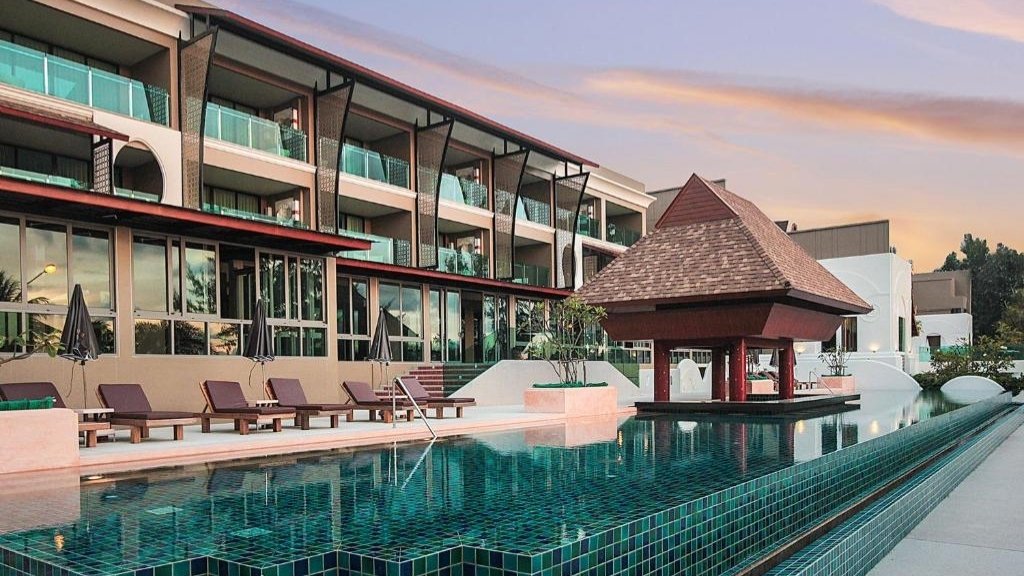
Hotels are widely available in cities such as Bangkok, Chiang Mai, Phuket, and Pattaya, ranging from budget hotels to international luxury brands with excellent service and facilities.
Villas & resorts
Private villas and resorts are popular in beach destinations like Phuket, Koh Samui, Krabi, and Khao Lak, offering beachfront locations, private pools, spa services, and ideal settings for relaxation and honeymoons.
Eco-lodges
Eco-lodges are commonly found in Chiang Mai, Chiang Rai, Pai, Khao Sok National Park, and northern mountain areas, focusing on sustainability, nature immersion, and local experiences.
Cruises and floating experiences
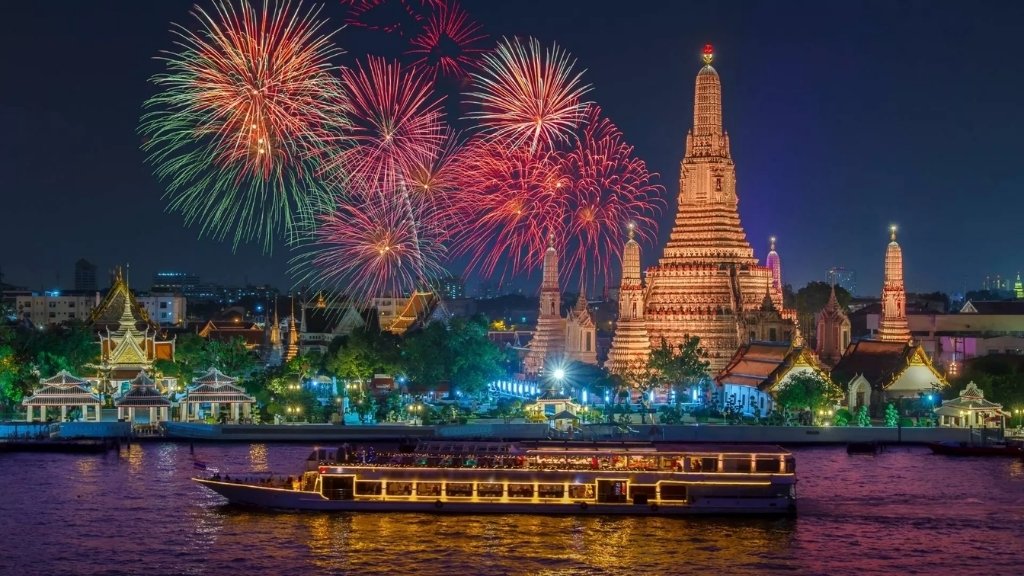
Unique stays include river cruises in Bangkok and floating resorts in areas like Kanchanaburi, combining accommodation with scenic river views and cultural exploration.
Homestays
Homestays are available in rural and community-based destinations such as Chiang Mai countryside, Mae Hong Son, and Isan villages, offering authentic cultural exchanges and local hospitality.
Transportation in Thailand


Thailand has a well-developed and traveler-friendly transport system. Domestic flights connect major cities and islands, while trains and long-distance buses are affordable options for traveling between regions. In cities like Bangkok and Chiang Mai, taxis, tuk-tuks, ride-hailing apps, and public transport such as BTS and MRT make getting around easy and convenient.
Thailand travel health guide for visitors

Thailand is generally a safe destination, and following basic Thailand travel advice will help ensure a comfortable trip.
- Healthcare quality: Thailand has excellent healthcare facilities, especially in Bangkok, Chiang Mai, and Phuket, with international-standard hospitals and clinics.
- Travel insurance: Comprehensive travel insurance is strongly recommended, covering medical treatment, emergencies, evacuation, and activities.
- Vaccinations & medications: No mandatory vaccinations are required, but routine travel vaccines are advised. Bring personal medications and prescriptions.
- Food & water safety: Avoid tap water; drink bottled or filtered water and choose freshly cooked food.
- Climate & heat protection: Thailand’s tropical climate can be hot and humid. Stay hydrated, wear light clothing, and use sunscreen.
- Mosquito protection: Use insect repellent, especially in rural and tropical areas.
- Emergency assistance: Hotel staff and tour guides can help you quickly access medical care if needed.
What to pack for your trip to Thailand
Prepare essential items as part of practical Thailand travel advice.
- Light and breathable clothing suitable for a tropical climate
- Rain jacket or poncho during the rainy season
- Comfortable walking shoes, sandals, and optional hiking shoes
- Sun protection: sunscreen, sunglasses, hat
- Insect repellent
- Personal medications and basic first-aid kit
- Passport, visa documents, travel insurance copies
- Reusable water bottle
- Power adapter and power bank
- Cash in small denominations for local markets
Plug outlets
Thailand uses Type A, B, and C plugs, with 220V electricity.
A universal adapter is recommended if your devices use a different plug type or voltage.
National holidays in Thailand
| National day | Date |
| Lunar New Year | Mid January- Early February |
| Thai New Year (Songkran Water Festival | From 13 to 15 of April |
| Phi Ta Khon in Dan Sai festival | June to July |
| Loy Krathong and Yi Peng (lantern festival) | November (12th full moon every year) |
| King Bhumibol Adulyadej’s Birthday Anniversary | 5th of December |
Was this Thailand travel guide not enough? Still worried? Curious?
Contact us for the best travel experience!
Let us help you plan an unforgettable trip!




 Google
 Facebook
 Tripadvisor
 Trustindex


