


Mai Chau villages are among the most authentic destinations in northern Vietnam. Nestled in a lush valley in Hoa Binh province, approximately 140 km from Hanoi, this region is home to dozens of traditional villages, primarily inhabited by the White Thai ethnic group – a community whose traditions, stilt-house architecture and craftsmanship have been remarkably preserved.
This guide presents a curated selection of villages in Mai Chau, from the most famous to the most remote, along with practical information to help you plan your trip.
Table of Contents
Why Mai Chau villages should be on your travel list
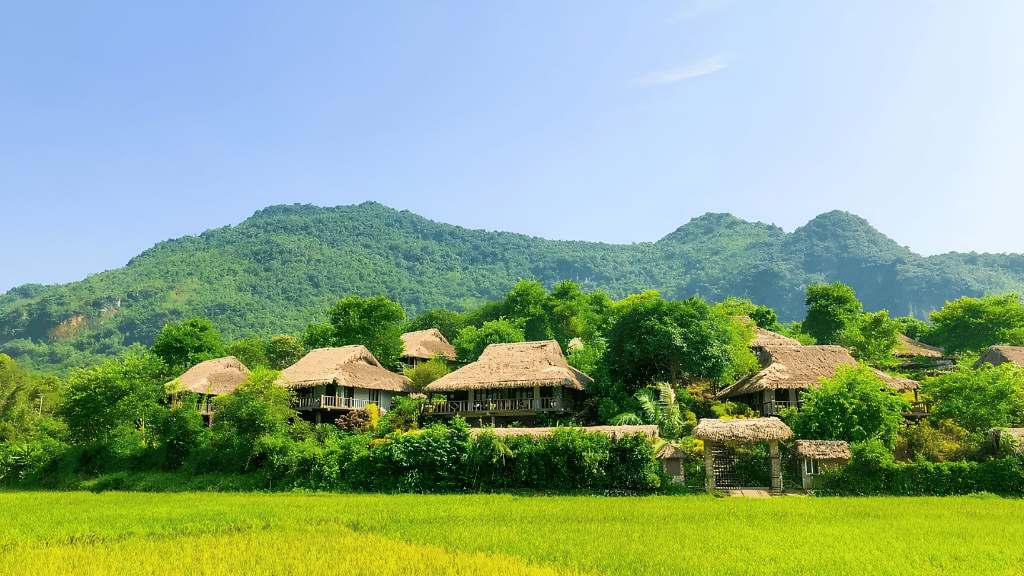
Mai Chau does not attract visitors with famous landmarks or iconic attractions. That is exactly what makes it so appealing. The true charm lies in its authenticity, where everything feels natural and untouched. Set in a peaceful valley surrounded by soft green hills, Mai Chau offers a rare chance to slow down and experience life in its simplest and most genuine form.
The landscapes create an immediate sense of calm. Bamboo-covered hills stretch gently across the horizon, while rice fields form a vast and ever-changing canvas depending on the season. Traditional stilt houses appear quietly among the fields, blending into the scenery in a way that feels both timeless and alive.
Beyond the scenery, what visitors appreciate most is the authenticity of daily life. Walking through the villages, you come across small, genuine moments such as locals weaving fabric, working in the fields, or preparing meals at home. The presence of the White Thai community adds depth to the experience. Their hospitality is simple and sincere, expressed through smiles, welcoming gestures, and small interactions that make visitors feel comfortable and included.
Each village offers a slightly different atmosphere. Some are a bit more lively, others are very quiet, but all share a peaceful rhythm that encourages you to slow down. There is no need to rush. You can walk, observe, and enjoy the surroundings at your own pace.
Top 8 must-visit villages in Mai Chau for an authentic escape
In Mai Chau, each village has its own atmosphere and character. Some attract visitors with their convenience and vibrant energy, while others offer tranquility and peace. Rather than visiting them all haphazardly, it is best to choose a few stops, depending on your preferences and available time.
We have selected several villages here that reflect the diversity of the valley. From the most famous to the most secluded, each offers a different way to experience local life and make the most of your stay in Mai Chau.
Lac village – The heart of community tourism
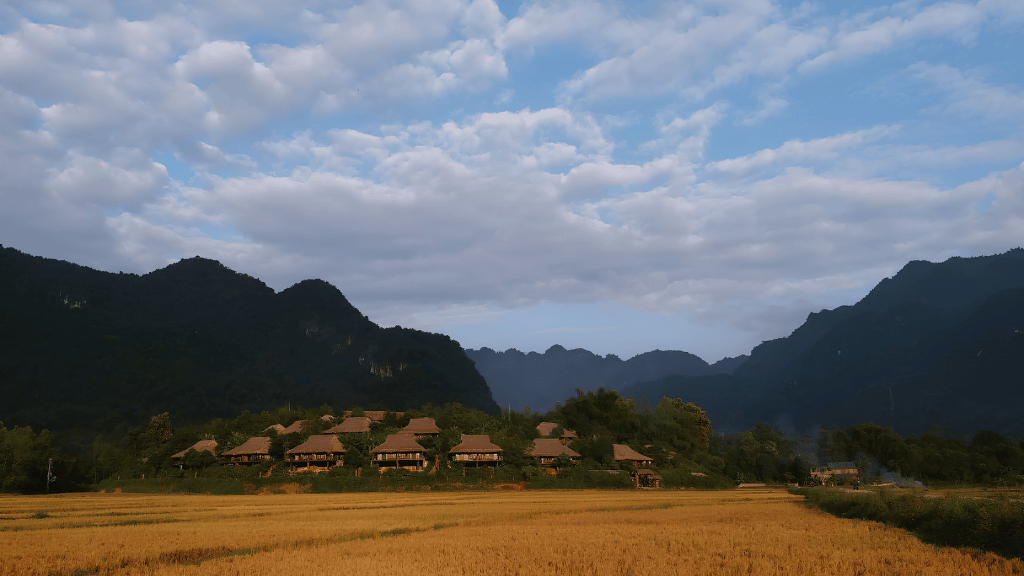
This is undeniably the most famous village in the region and for good reason. Ban Lac village has existed for over 700 years. Its residents, the long-established White Thai people, have never truly abandoned their ancestral customs, although the village has quickly embraced tourism.
Wooden stilt houses line the clean, tree-shaded stone-paved streets. Beneath the high roofs are looms, where women weave fabrics with vibrant geometric patterns. Upstairs, families welcome visitors to their homestays, sometimes rustic but always warm and friendly.
Things to do there:
- Attend a brocade weaving demonstration
- Enjoy a stilt-house dinner (grilled chicken with sticky rice, xoi, rice wine)
- Watch the bamboo pole dance (múa sạp) to traditional music
- Rent a bicycle (30,000–50,000 VND/day) to explore the trails between rice fields
Ban Van village – Four seasons, four landscapes
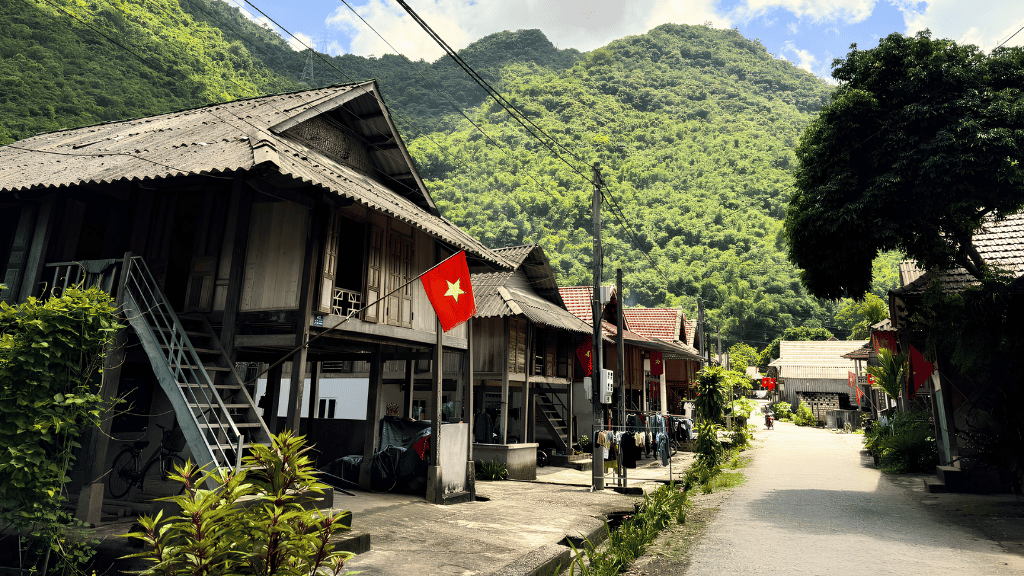
Just 1.5 km from Mai Chau town, Ban Van village is often the first you encounter. It would be a mistake to treat it merely as a brief stopover: it deserves a longer stay.
The village is home to over a hundred White Thai families who farm the terraced fields nestled at the foot of the Pho Van mountain range. Its unique characteristic is its ability to transform with each season. In February and March, wildflowers cover the field banks. In May and June, the fields take on an almost surreal lush green. In September and October, the ripe golden rice grains give the landscape a depth that photographers seek at sunrise.
The homestays in Ban Van village, some of which blend seamlessly into the agricultural landscape with subtle architectural design, are ideal for those who want to wake up early, catch the fading light on the fields and return to breakfast with a view of the mountains.
Coong village – Peace just steps away
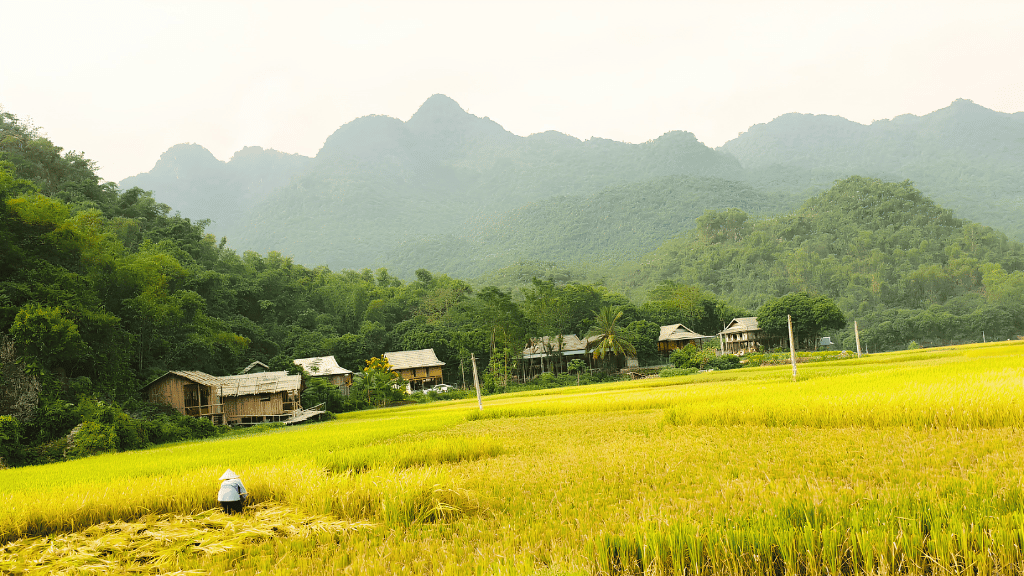
Just a few hundred meters from Lac Village, the atmosphere here is completely different. Smaller, with only about sixty households, this White Thai village has retained its charm, away from the tourism frenzy. The wooden houses with thatched roofs remain simple, and everyday life unfolds in quiet spaces.
In the morning, when mist still lingers on the bamboo groves, Pom Coong looks like a painting: an old man with his pipe sitting on the porch watching the world go by, chickens crossing the road, the gentle murmur of a stream behind the trees.
It is here that travelers seeking peace away from the well-trodden tourist paths will find what they are looking for and discover a different way to experience Mai Chau. No souvenir shopping, no performances. Just the opportunity to sit, observe and connect with locals in their daily lives.
Buoc village – In the heart of Muong territory, between forest and river
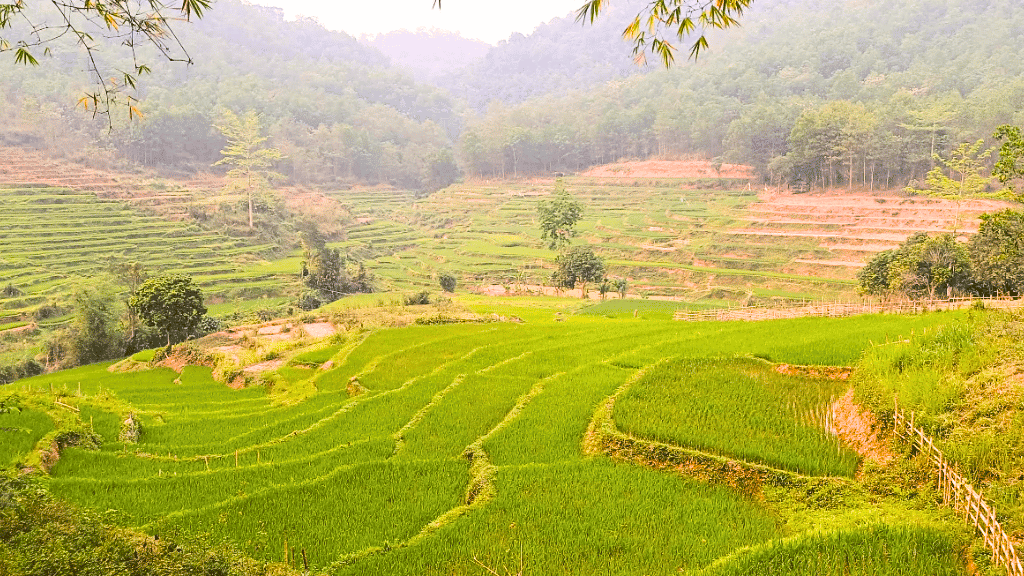
About twenty kilometers from the center, Buoc Village stands out from the other typical villages in Mai Chau: its residents are not Thai but Muong. This difference is significant – the language, clothing, architecture and cuisine are all distinctly different.
The village is nestled between coconut-covered hills and divided by the Ha River, whose clear waters are ideal for swimming in summer. The main activity here is walking between hamlets: trails through the bush, viewpoints overlooking the valley, and encounters with Muong farmers, some of whom speak only their native tongue.
Nhot village – Truly raw beauty
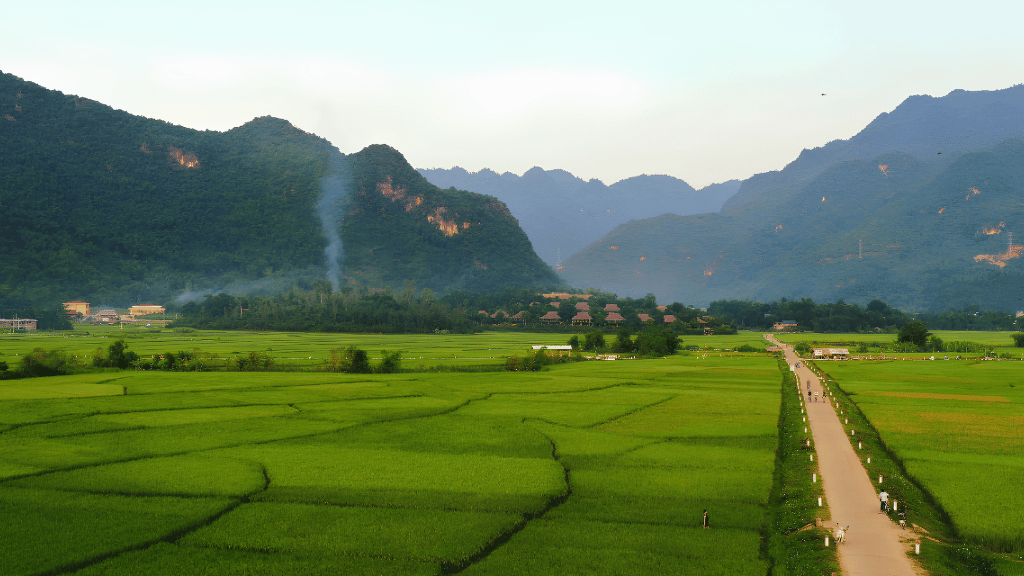
Ban Nhot village is one of the least touristy villages in the valley. No signs indicate its presence on the main road; you have to search a little, which adds to its pristine charm.
The locals live off farming, animal husbandry and weaving. Children play barefoot by the stream. In the morning, the sound of pestles echoes through the courtyards. It is a village where you can experience rural life in its simplest, most unassuming form.
For travelers seeking an authentic experience, Nhot Village offers the chance to participate in village life: a few hours in the fields, a weaving lesson with the women working in the barn, a simple meal by the wood fire.
Thung Mai village – A cloud-chasing journey
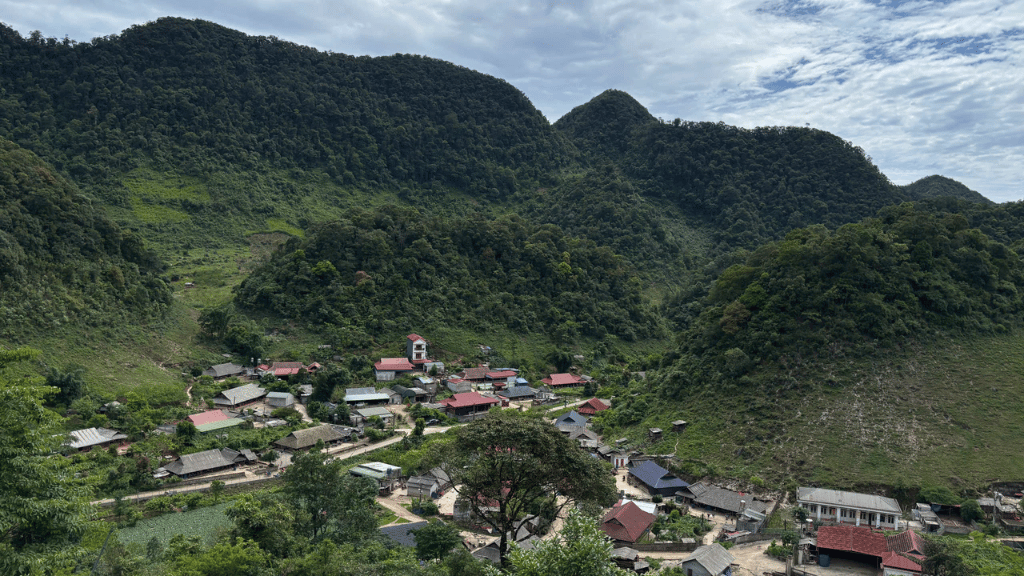
Thung Mai Village is one of the most authentic rural villages in the Mai Chau region, Hoa Binh Province, Vietnam. Still largely untouched by mass tourism, it offers a genuine glimpse into local life.
Set in the heart of a green valley, the village is surrounded by gentle hills and forests, creating a peaceful and balanced landscape. Life here moves at a slower pace, shaped by the daily routines of the local community.
As you explore the village, you can walk through terraced rice fields, watch farmers at work, visit traditional stilt houses and interact with local people. It is also a great place to enjoy simple and flavorful local dishes.
Pu village – Completely isolated
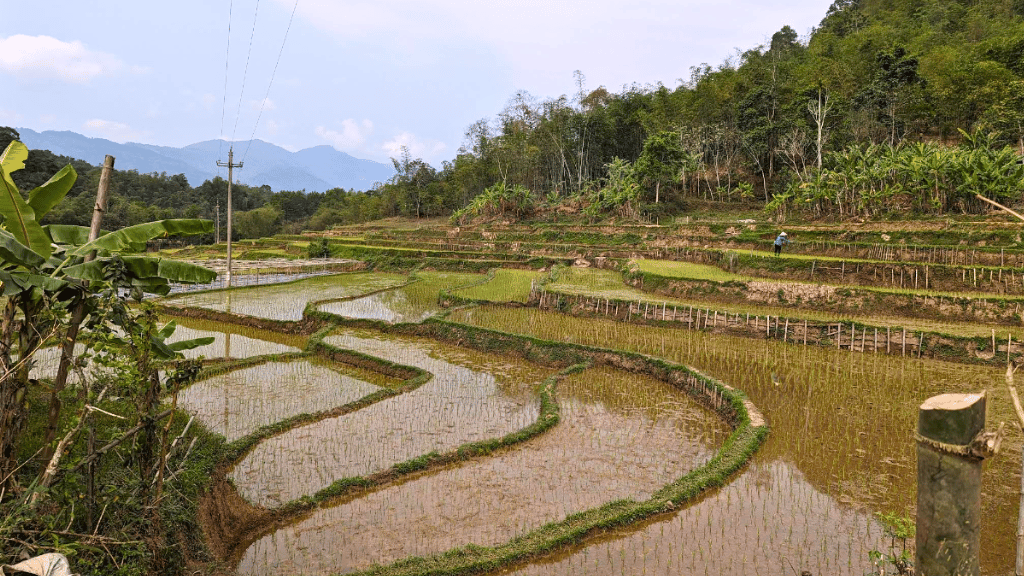
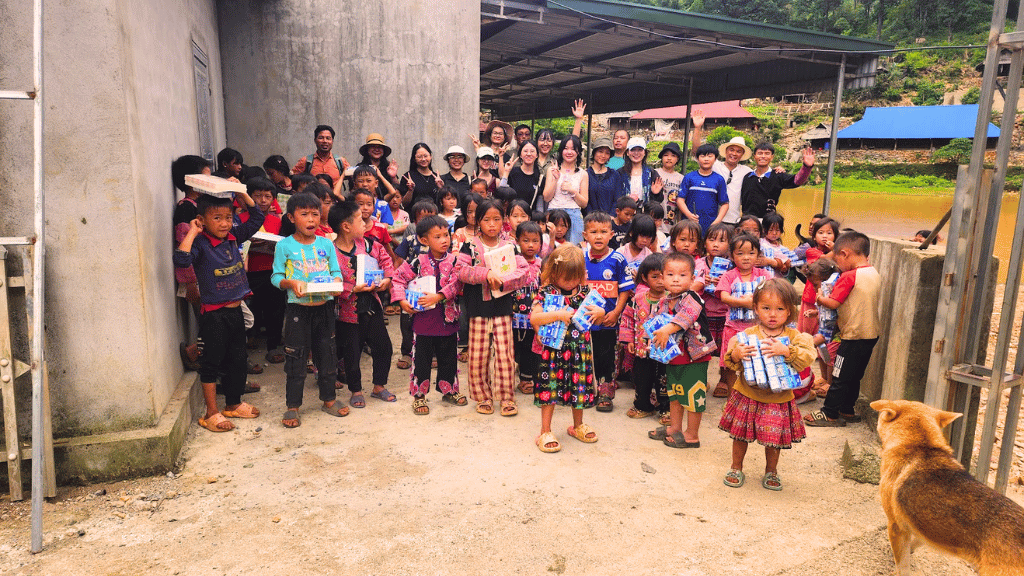
For those who truly want to disconnect completely from the outside world, Pu Village is the most radical choice. Located about 15 km from the center of Mai Chau, access is not always easy
What you will find in Pu is silence, mountains and Thai people who have not yet adapted their way of life to the influx of visitors. A few families offer simple accommodation. You sleep under mosquito nets, eat what the family eats, and wake up to the crowing of roosters.
Hiking enthusiasts will appreciate the trails around the village, leading to hillsides with breathtaking views of the valley.
Phuc village – Lakeside poetry
Unlike the other villages, Phuc is not viewed from the mountains but from the water. The village lies on the shores of Hoa Binh Lake, a vast body of water that winds between forest-covered limestone cliffs.
You arrive by boat, which immediately creates a unique atmosphere. The stillness of the lakeshore, the reflections of the hills merging with the water at sunset, and the Muong and Thai fishermen casting their nets in the late afternoon.
Phuc’s cuisine is also a reason to visit: lake fish grilled over embers, river prawns and clear broths cooked with forest herbs. Meals are often enjoyed on the terrace overlooking the lake, as the sun sets behind the peaks, offering an opportunity to discover the authentic flavors of Mai Chau.
Best time to explore Mai Chau villages
You can visit Mai Chau year-round, but certain times offer particularly favorable conditions and landscapes. Here is a simple guide to choosing the best time to visit based on your preferences:
- February to April – Spring in full bloom: A mild and pleasant season, ideal for exploring the villages on foot or by bike. The valley is covered in peach, plum and banana flowers, creating a colorful and soothing atmosphere.
- August to October – Golden rice season: This is the most spectacular period. The rice paddies reach maturity and take on brilliant golden hues. The landscape becomes especially picturesque, perfect for walks and experiential stays in the villages.
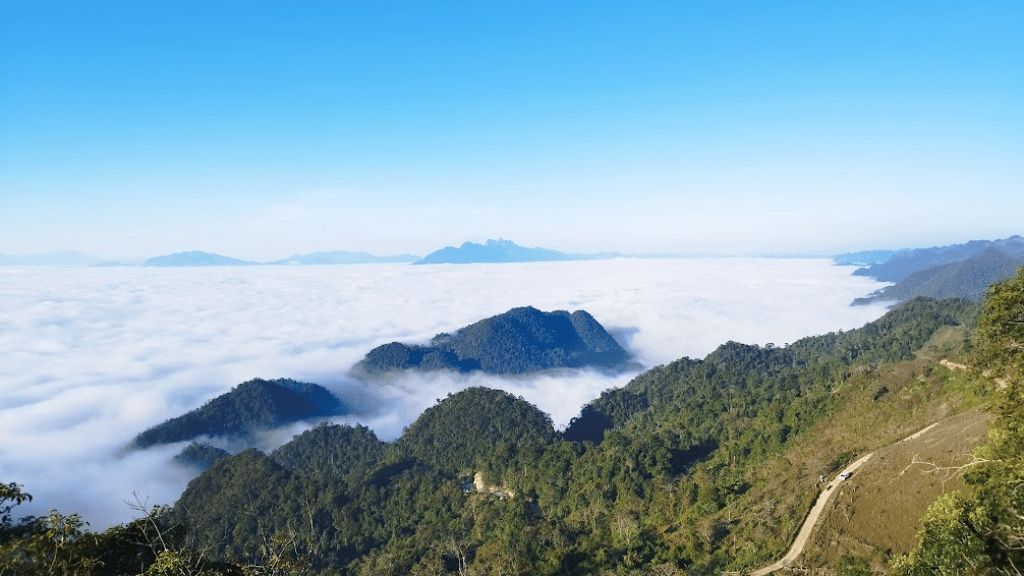
- November to December – Mountain air and mist: Cooler temperatures bring softer landscapes. It’s also a good time to catch the sea of clouds in nearby areas such as Hang Kia–Pa Co, and to enjoy a quieter, more intimate atmosphere.
For more details, see our full guide: When is the right time to visit Mai Chau?
How to get around between villages?
Getting between villages in Mai Chau is relatively easy, but the mode of transport depends on the distance and the type of village you wish to visit.
- Villages near Mai Chau town center (on foot or by bike): Ban Lac, Pom Coong, Ban Van and Ban Nhot villages are located right next to the town. Visitors can easily explore these villages on foot or by bicycle, following flat, pleasant paths through the rice fields. Bicycle rentals typically cost between 30,000 and 50,000 VND/day, making this the most convenient and economical option for exploring the area.
- More remote villages (by motorbike or car): Reaching Ban Buoc, Thung Mai, Ban Pu or Ban Phuc villages, the distances are greater and the roads less suitable for walking or cycling. In this case, a motorbike or car is recommended for convenience and safety.
- Shuttle services and organized tours: If you are staying at a homestay, local families can easily arrange private transfers or guided tours. These services are usually flexible and reasonably priced, allowing you to explore multiple villages without logistical constraints.
Where to stay in Mai Chau villages?
In Mai Chau, accommodation is an integral part of the travel experience. Offering a balance between local cultural experience and modern amenities, three types of accommodation stand out:
Stilt-house homestays
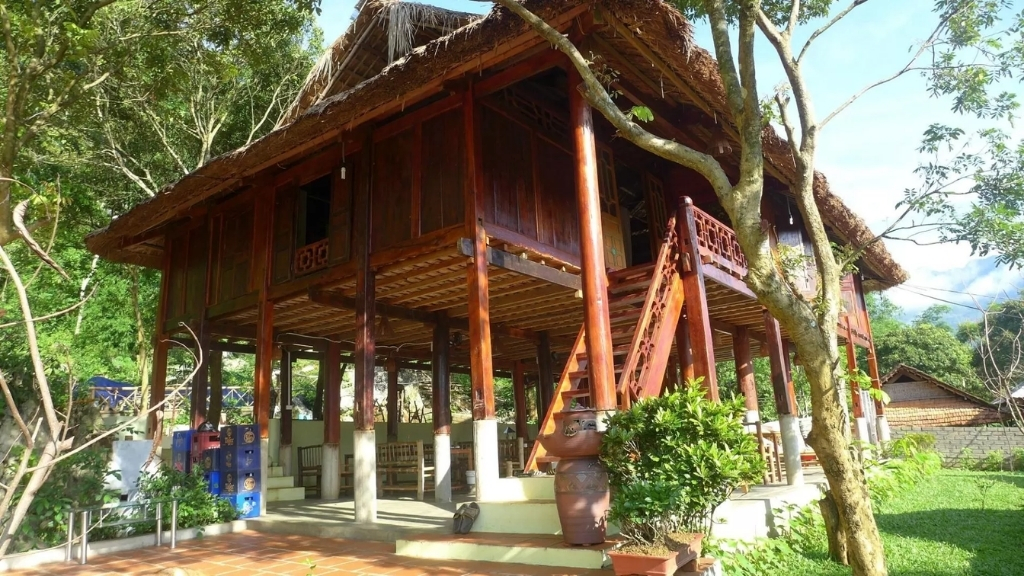
This is the most authentic option. You sleep in a traditional wooden house, often sharing the space with the host family. Rooms are simple, with mattresses, mosquito nets and usually shared bathrooms. This type of accommodation allows you to fully immerse yourself in the daily life of the locals.
Eco-resorts (comfort and nature)

Located on the outskirts of the villages, eco-resorts offer independent bungalows, architecture that blends with the surrounding environment and more comprehensive services. This is the ideal choice for those who want to combine nature, tranquility and modern comforts.
Tips to know before visiting Mai Chau villages
Culture and etiquette: The villages of Mai Chau are not static tourist attractions, but real communities where everyday life continues as usual. Therefore, it is important to adopt a respectful attitude. Always ask permission before taking photos, especially when locals are weaving or when children are involved. A simple smile accompanied by a “xin chào” (hello in Vietnamese) is usually enough to create a warm and natural connection with the locals.
Shopping and local handicrafts: Traditional brocade weaving (thổ cẩm) is one of the region’s distinctive crafts. You will find it in various forms such as scarves, bags, tablecloths and clothing, all entirely handmade in the villages. Each product requires many hours of work, which explains its value. Bargaining is possible to some extent, but should be done politely and respectfully, considering the craftsmanship behind each item.
Money and payments: ATMs are rare, even non-existent, in the villages. Therefore, it is advisable to bring enough cash before you arrive, either from Hanoi or from Mai Chau town. All payments are made primarily in cash, including accommodation, meals and other small expenses in the area.
Language and communication: English is spoken at a basic level in most parts of Mai Chau, which is generally enough for simple conversations and everyday needs. In many homestays, younger hosts can communicate more easily and help arrange activities or provide useful information. For a smoother and more enriching experience, it is recommended to travel with an English-speaking guide. This not only makes communication easier but also allows you to better understand the local culture, traditions and way of life..
FAQs
1. Which is the most authentic village in Mai Chau?
If “authentic” is understood as a village where local life has not been structured to cater to tourists, then Ban Nhot, Ban Pu and Thung Mai villages best fit this description
2. How many days do you need to visit the villages of Mai Chau?
To fully experience the atmosphere of the valley, we recommend spending at least 2 days and 1 night. However, 3 days will provide a more comprehensive experience, with time to combine visits to multiple villages, participate in local activities and enjoy the scenery at a leisurely pace
3. Is Mai Chau suitable for children?
Absolutely. The villages offer a safe environment, a wide range of activities (cycling, walking, weaving workshops) and meeting Vietnamese children of the same age is often a highlight for younger travelers.
4. What budget should you plan for a visit to the villages of Mai Chau?
Visiting costs are not expensive: entrance fees are generally free, and bicycles cost 30,000-50,000 VND (approximately €1–2) per day. Plan on an average budget of around €50-100 per day, depending on your activities and expenses
The rural villages of Mai Chau offer a unique experience in the heart of a peaceful valley in northern Vietnam, nestled among rice paddies, stilt houses, and the traditions of the White Thai people. This is an ideal destination for travelers seeking nature and authenticity, just a few hours from Hanoi. Whether for a short or extended stay, the villages of Mai Chau are an essential experience on any journey through Vietnam.
Dreaming of discovering the villages of Mai Chau on your trip to Vietnam? Contact us to arrange a tailor-made tour and experience an authentic immersion in the heart of the valley.




 Google
 Facebook
 Tripadvisor
 Trustindex


