


Sapa charms visitors with its mountains, its terraced rice fields and its ethnic villages. But once the classic routes grow too crowded, it sometimes takes a different path to find the region’s full sense of calm.
It was in the Muong Hoa valley that we chose to continue this exploration. Here, the scenery reveals itself along the trails, between traditional villages, terraced crops and quiet mountains. To explore this valley in a different way, the Hanoi Voyages team went out into the field to scout different trails, test the routes and select the ones offering the best balance between beautiful views, authenticity and quiet, suited to each traveler’s own pace and interests.
Follow us on this journey through Muong Hoa and discover the trails we explored firsthand.
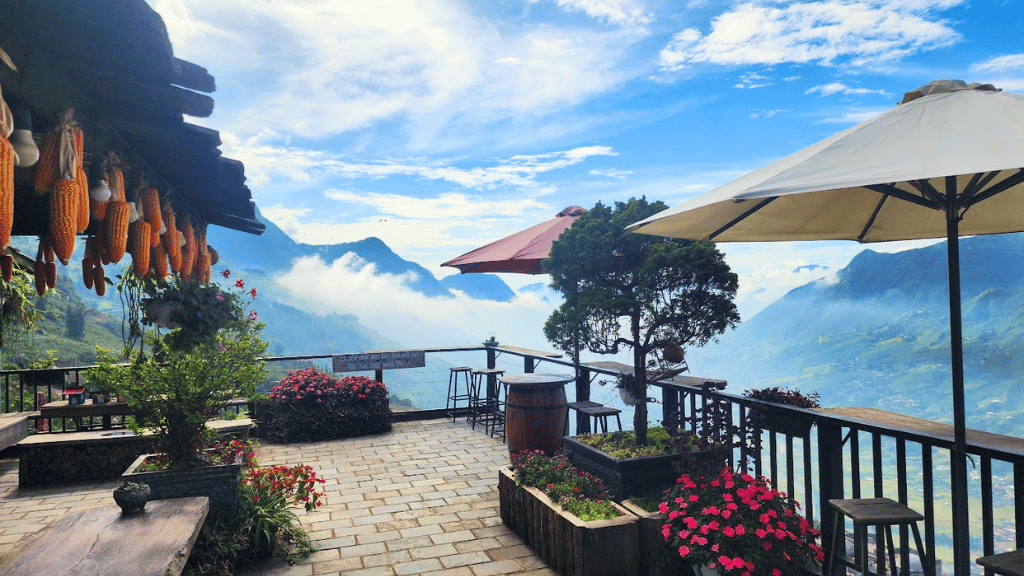
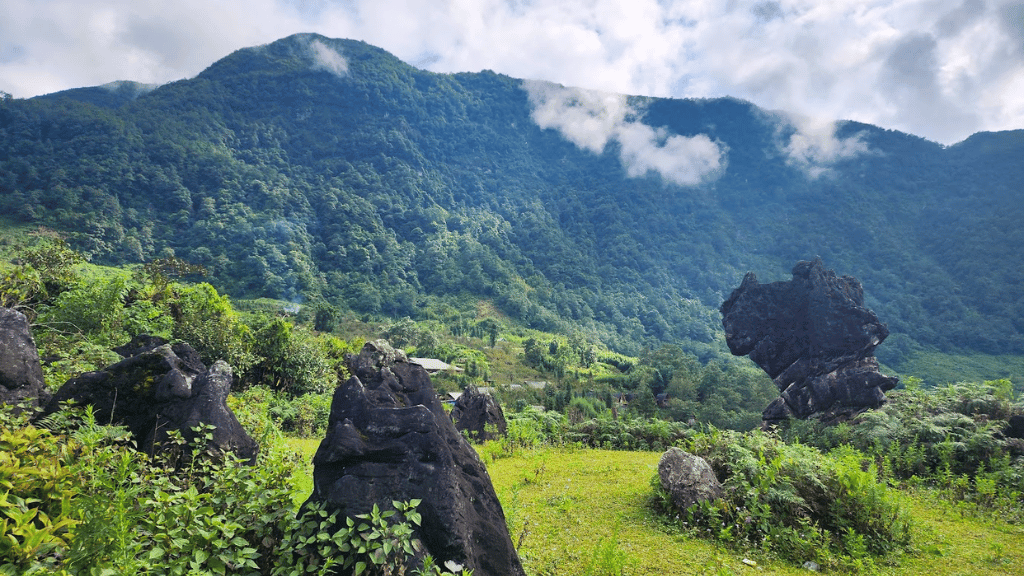
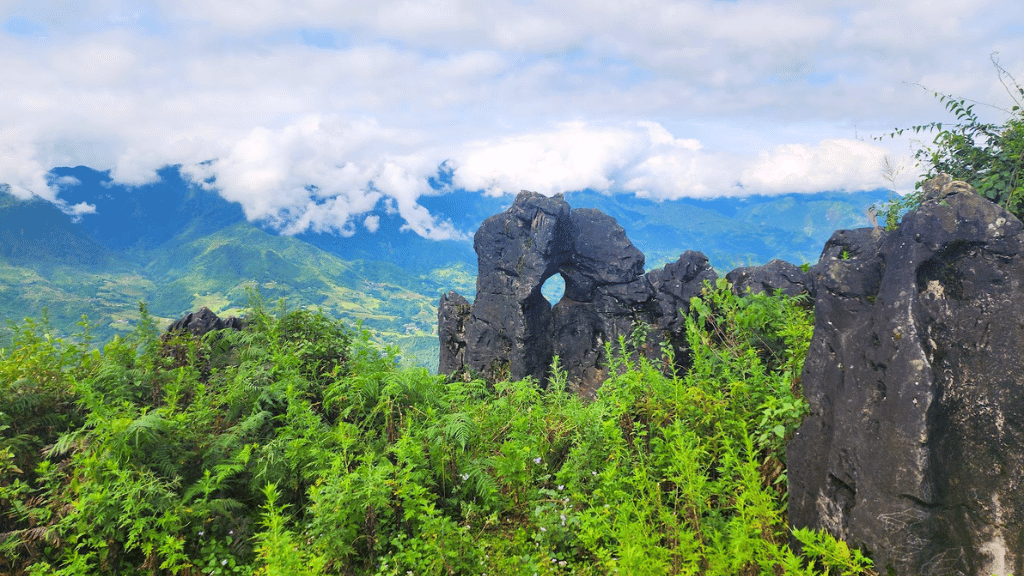
Our hike begins up high, facing an exceptional view over the Muong Hoa valley. From this vantage point, we take the time to take in the whole valley and its terraced rice fields before starting the descent.
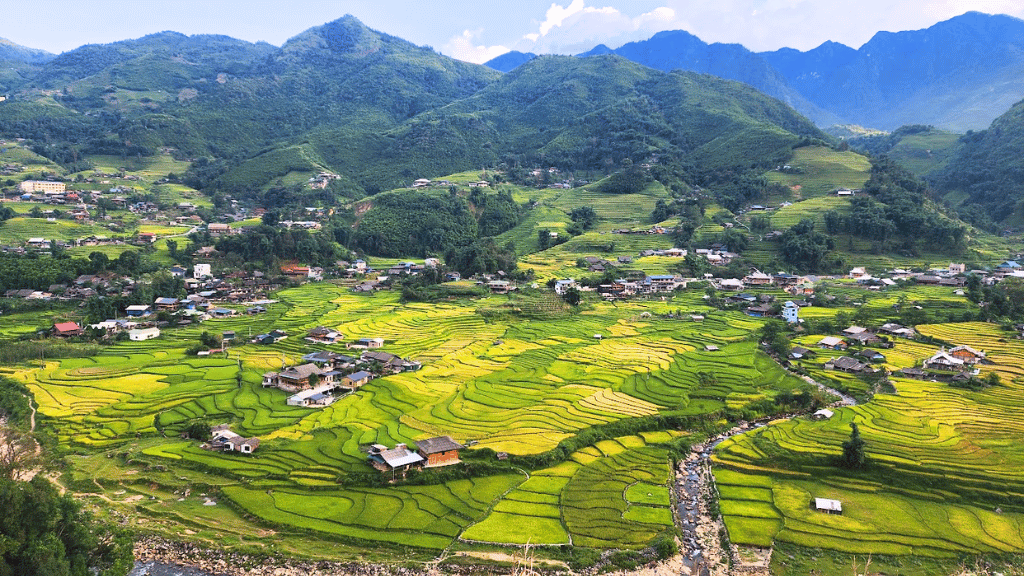
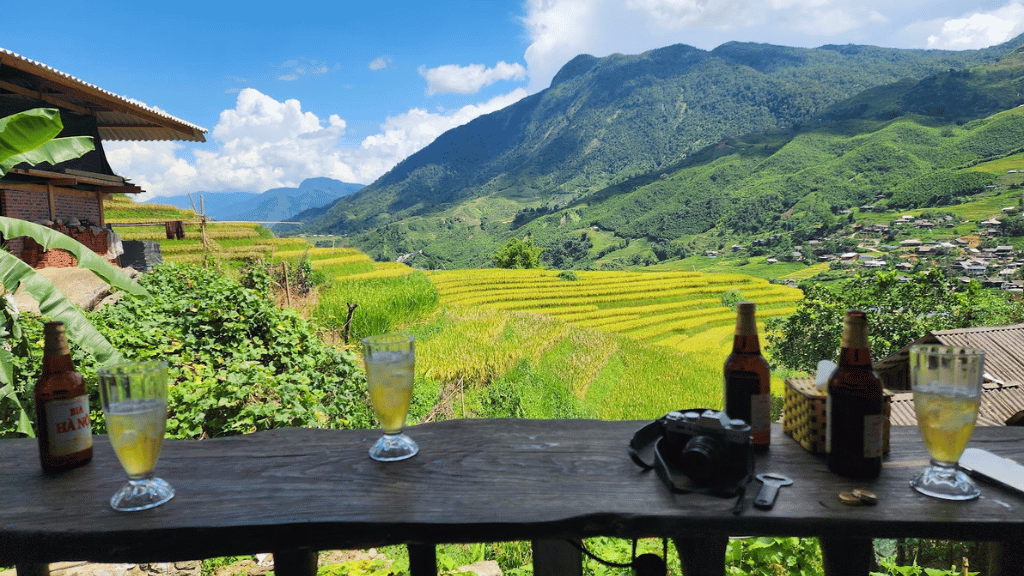
As soon as we reach the high ground, a spectacular view over the Muong Hoa valley opens up before us. Ahead of us, the terraced rice fields stretch out as far as the eye can see, hugging the mountainsides. Further off, imposing peaks rise up across the landscape, while a few villages can just be made out among the terraces and the clouds that gently wrap around the valley.
We stay for a moment taking in this scenery, still quiet in the face of so much beauty. It is at this moment, even before starting our hike, that we truly fell under Muong Hoa’s spell.
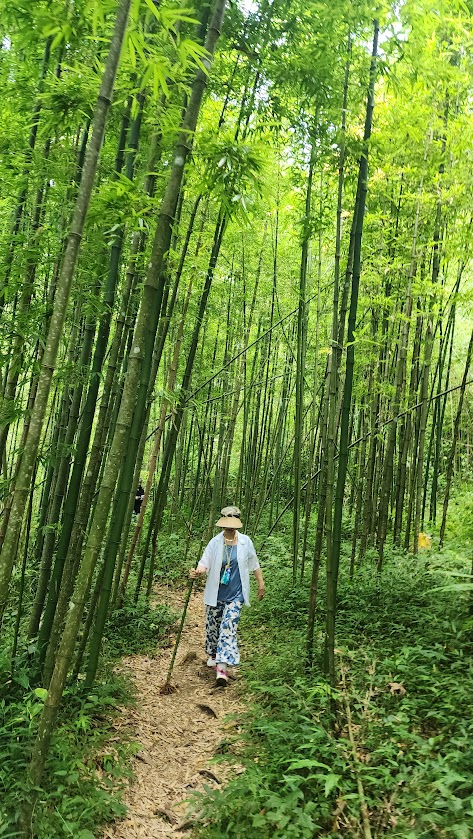
We found a route particularly well suited to travelers who love nature and hiking. The trail reveals a range of different landscapes along the way, including a stretch through bamboo forest and several small streams running through the vegetation.
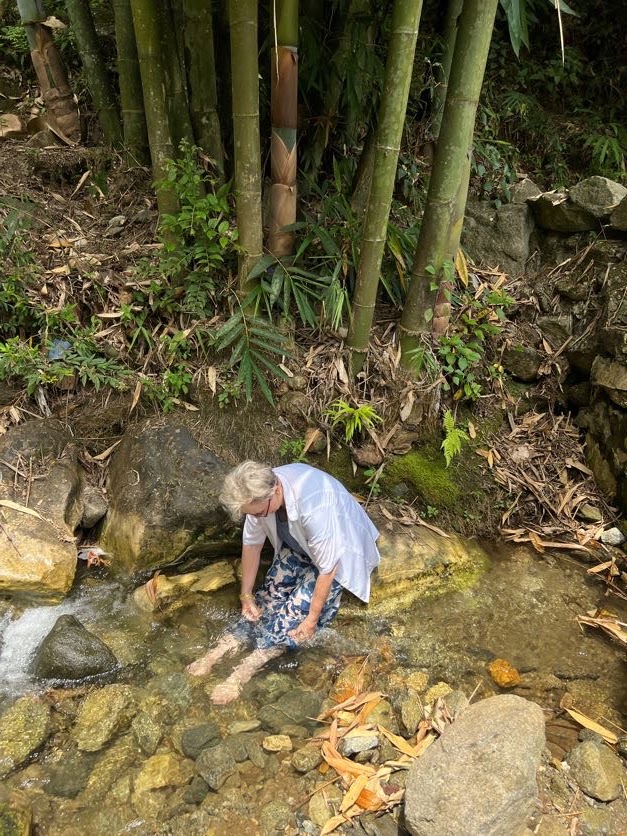
In places, the path follows the streams, where you can pause to catch your breath and enjoy a bit of coolness. It is also possible to sit by the water or dip your feet in for a few minutes. After several hours of walking, this streamside break feels especially good and makes it easier to set off again for the rest of the hike.
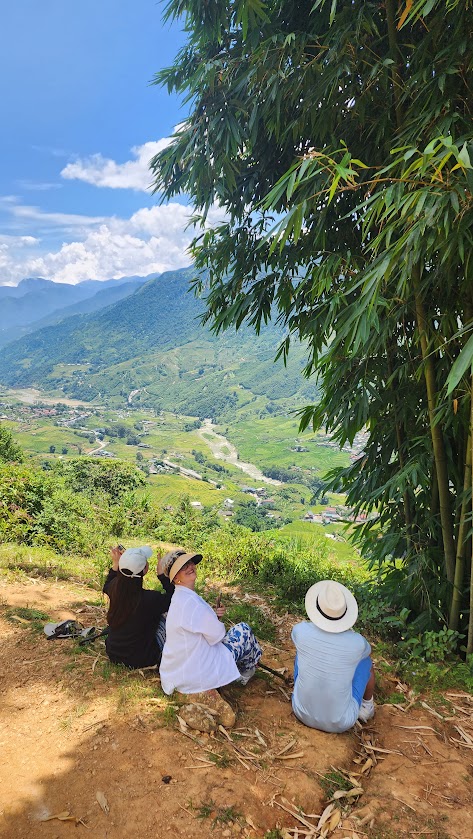
After only a few minutes of walking, the Muong Hoa valley suddenly appears before us. Little by little, the scenery unfolds. The terraced rice fields stretch across the slopes, while the mountains surround the valley.
After a morning spent exploring the landscapes of Sapa, we stop for lunch at a local restaurant. It gives us a chance to try several of the region’s specialties, with flavors that feel authentic and pleasantly surprising.
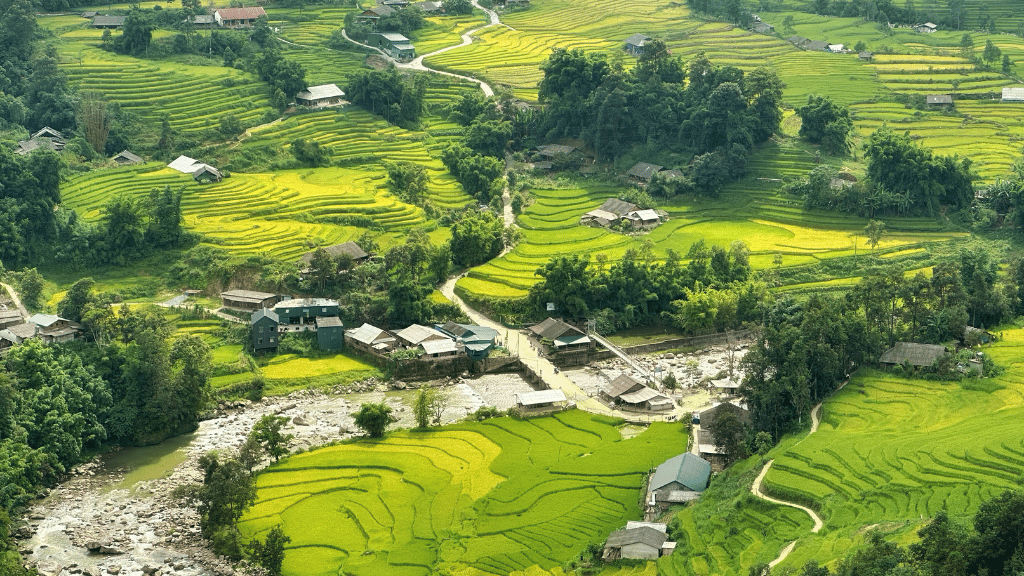
But beyond the food, it is the setting that really holds our attention. From the restaurant’s terrace, the eye naturally drifts toward the surrounding scenery. The terraced rice fields spread across the slopes, bathed in sunlight, while small traditional houses can be made out in the distance, tucked into the heart of the valley.
A simple moment, between local food and mountain views, that offers a real pause before we continue exploring Sapa
After walking the trails and taking in the landscapes of the Muong Hoa valley, the discovery continues in a different way, in the heart of the Hmong villages. Here, tradition is still part of everyday life and is best discovered through encounters with local residents.
Among these skills, indigo dyeing holds a special place. We meet a Hmong artisan who walks us through the different stages of her work, from weaving hemp or linen to drawing patterns in beeswax. The fabric is then dipped several times into natural indigo baths to gradually build up that distinctive deep blue color. Watching each step, you come to appreciate the patience and precision that goes into every finished piece.
An encounter that, in the end, offers a different way to experience Sapa, taking the time to talk with a local resident and better understand a craft passed down from generation to generation.
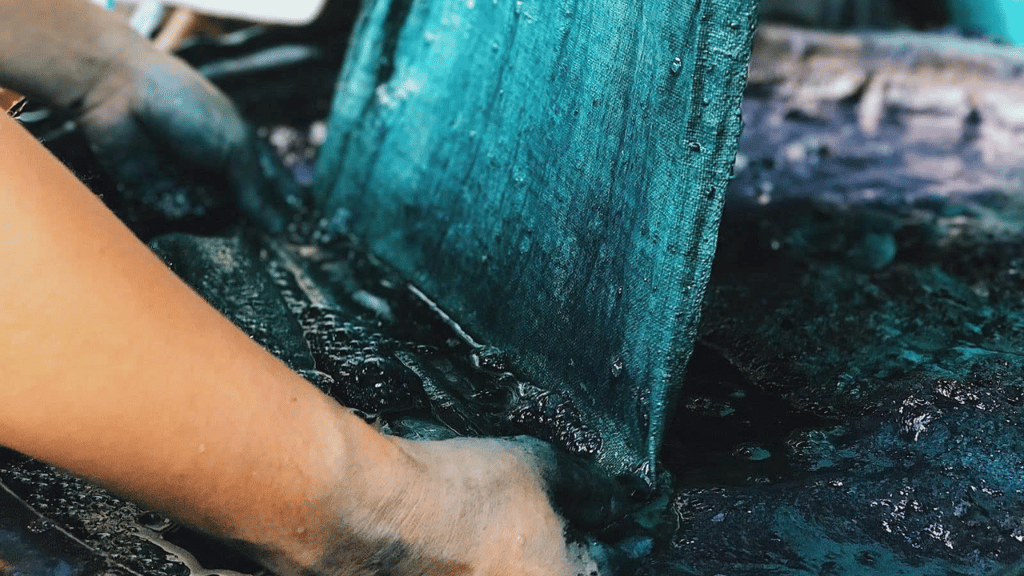
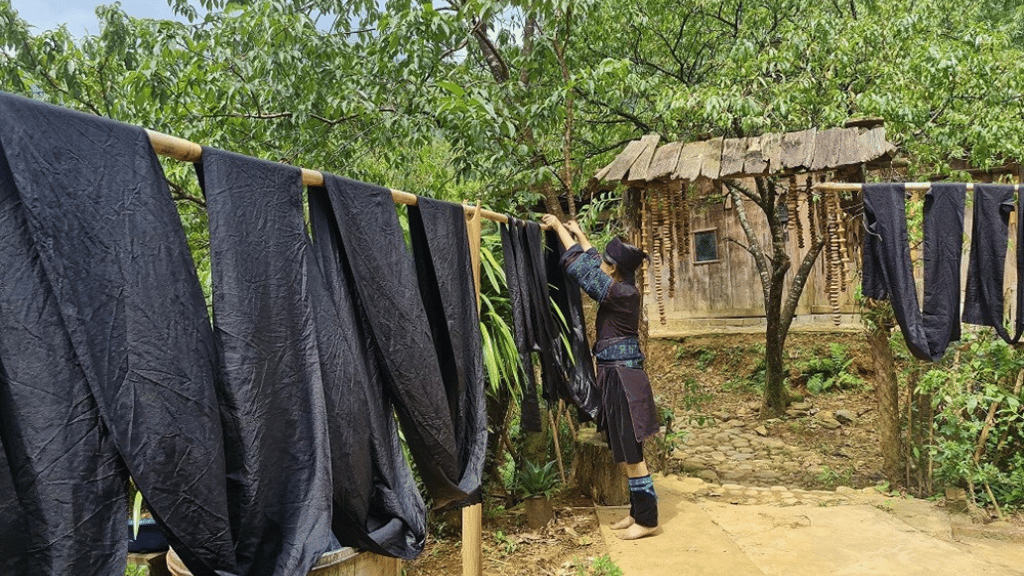
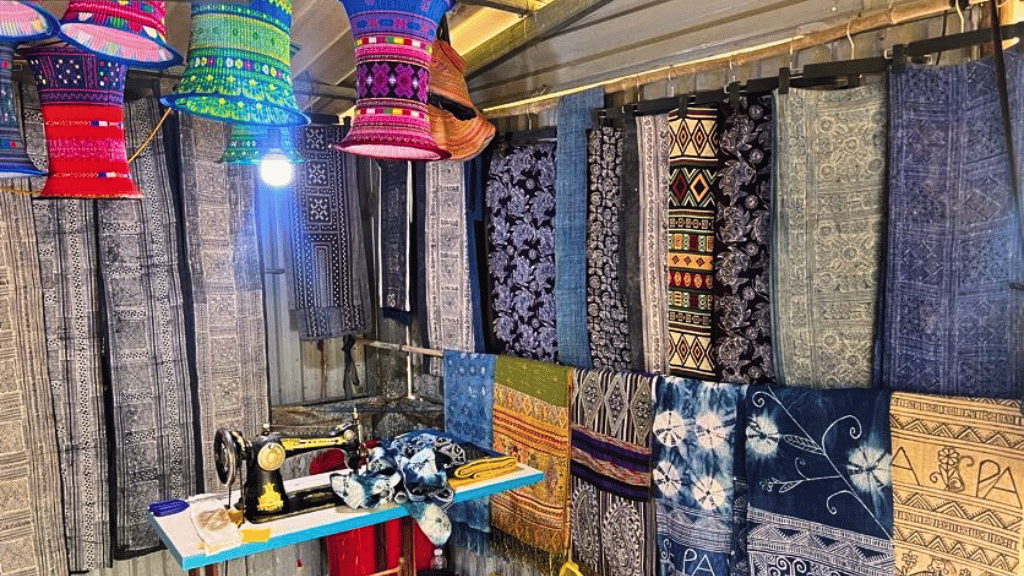
Indigo dyeing in Sapa is a traditional Hmong craft, using natural indigo leaves to dye linen a deep blue.
These skills also give rise to many handmade craft products: linen fabrics, indigo dyed pieces, embroidery and creations decorated with traditional patterns. Each piece reflects, in its own way, the know how and cultural identity of Sapa’s communities.
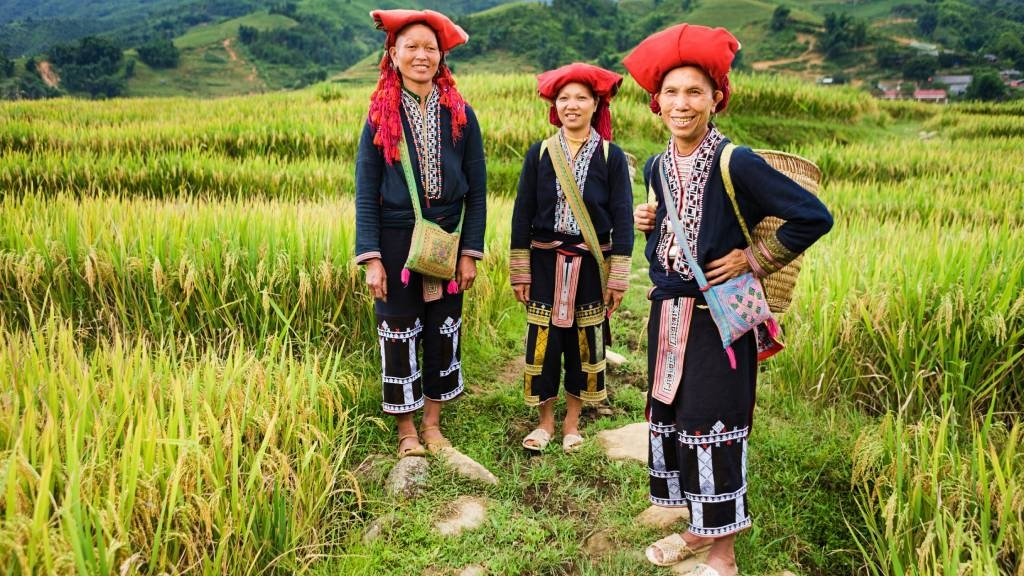
Beyond the terraced rice fields and mountain trails, the Muong Hoa valley is above all a living territory. Several ethnic communities have settled here, including the Hmong, the Dao, the Giay, the Tay and the Nung. Each has its own traditions, yet all maintain a close relationship with the land and with farming. Taking the time to talk with local residents lets you experience this valley not simply as beautiful scenery, but as a genuine place where people live.
🌾 What if you discovered the Muong Hoa valley in a different way?
A few kilometers from Sapa, the Muong Hoa valley reveals a spectacular landscape where terraced rice fields stretch out between the mountains and the villages. From the high ground, certain trails offer a sweeping view over the entire valley, with the villages of Y Linh Ho, Lao Chai, Ta Van and Giang Ta Chai spread out below.
But Muong Hoa is not only meant to be seen. A hike also lets you pass through the villages, watch the crops being tended and discover, step by step, the daily life of the Hmong, Dao, Giay and Tay communities.
Want to explore Muong Hoa away from the busiest routes? Our team offers free advice and helps you build an experience suited to your own pace and interests.

Let us help you plan an unforgettable trip!




 Google
 Facebook
 Tripadvisor
 Trustindex


