


Travel magazine Lonely Planet has selected nine markets in Vietnam that offer travelers a genuine window into everyday life and local culture. From north to south, these markets are meeting points where visitors can experience the habits, products and traditions that shape the rhythm of Vietnamese communities.
Alex Sheal, a Lonely Planet writer based in Hanoi since 2007 and a specialist in Vietnamese culture and tourism, explains that visiting markets remains one of the best ways to observe local life, meet residents and get a feel for the country’s traditions. Here are the nine recommended spots for taking in the full richness of Vietnamese market culture.
Long Bien market – Hanoi
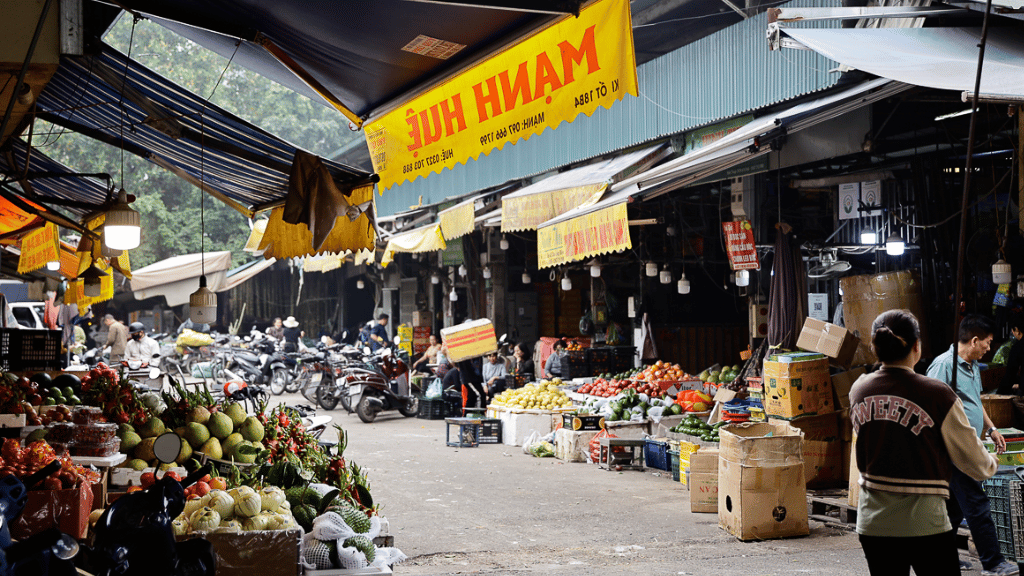
A good choice for travelers wanting to experience Hanoi at night, this wholesale market at the foot of Long Bien Bridge comes alive from 9pm, when trucks loaded with agricultural produce from many provinces arrive to supply the shops and restaurants of the city center. Lonely Planet notes that this is not a place built for tourists or retail shoppers. The atmosphere is defined by the constant flow of carts, a seafood section buried under melting ice and trading activity that carries on until dawn.
Dao San market-Lai Chau
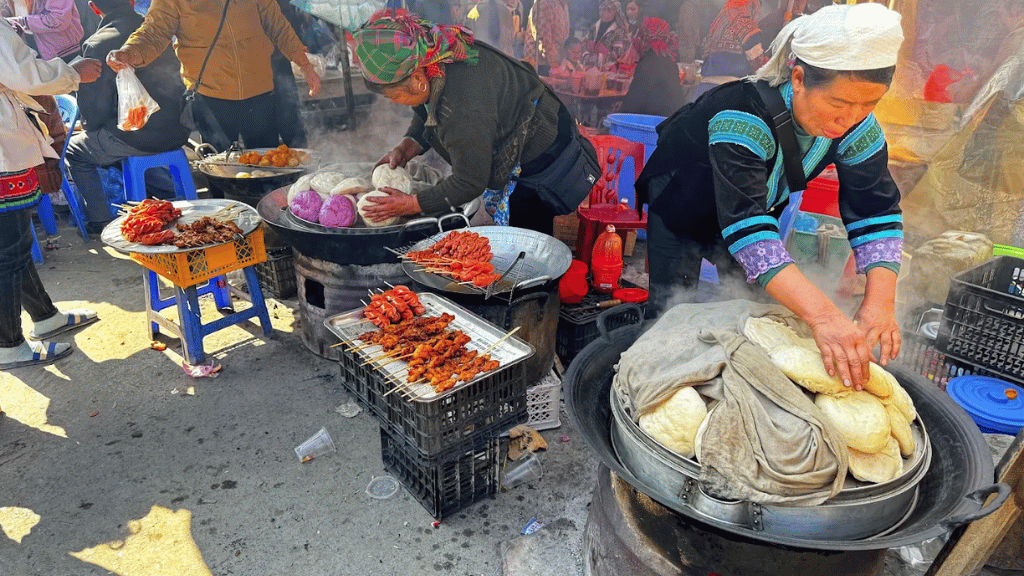
A gathering spot for those drawn to highland culture, this market sees Dao, Hmong and Ha Nhi communities come down from their villages every Sunday to sell goods, trade and meet up with friends. Beyond the food stalls, everyday life comes through in small scenes: young people playing billiards, food stands packed since early morning or a dental stand where customers in traditional dress wait their turn. Lonely Planet advises foreign travelers to check on local entry rules and keep their passport or visa within reach, since the site sits close to the border.
The conical hat market of Chuong village-Hanoi
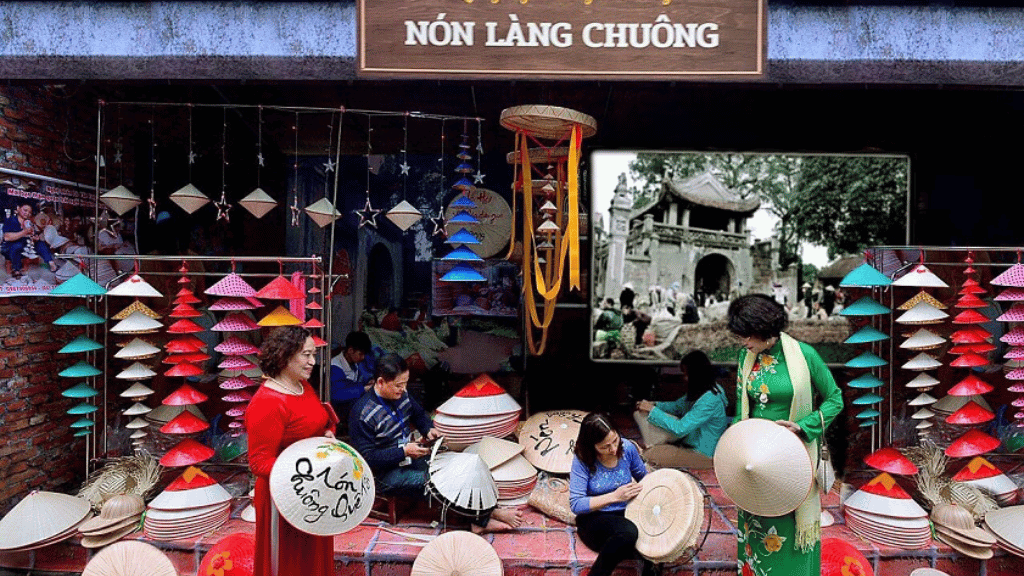
This spot will appeal to fans of traditional craftsmanship. Chuong village has been making conical hats- “Non la” for around 300 years, and the market offers a chance to watch the artisans at work. It runs from 4:30 to 7:30am, on the 4th, 10th, 14th, 20th, 24th and 30th days of the lunar calendar. Visitors can watch hats being made and repaired on the spot, without any staging for tourists.
The flea market “Cho Troi”- Hanoi
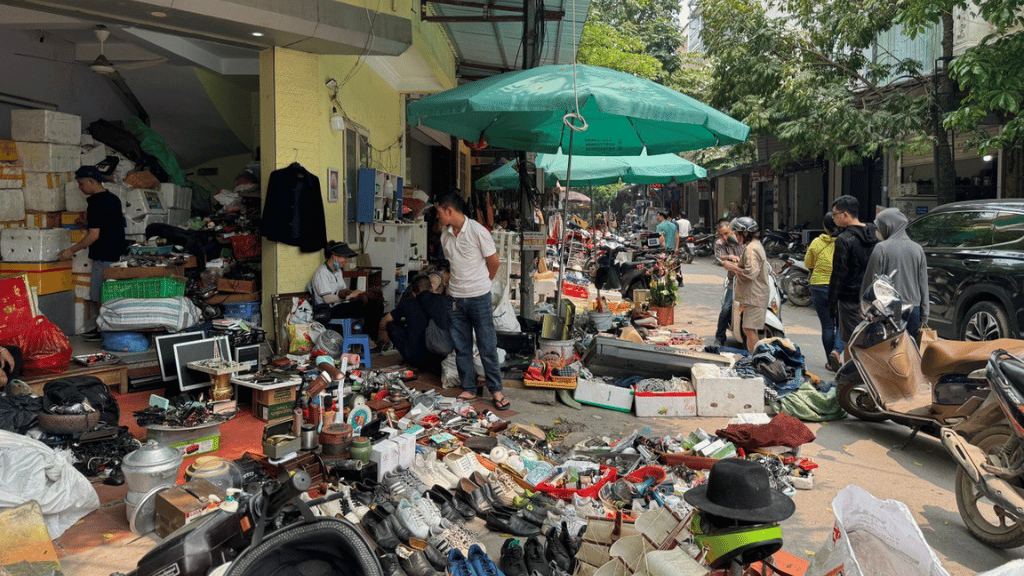
A prime hunting ground for secondhand treasure hunters, this market for used goods has existed since the 1950s and offers a mixed bag of finds: electronics, car parts, construction materials, electrical cable and even audio cassettes. Visitors can wander on foot in search of a good find or a lesser known corner. The atmosphere is loud due to the sheer number of motorbikes. A visit here pairs well with a relaxing walk afterward at nearby Thong Nhat Park.
Ta Sin Thang market-Dien Bien
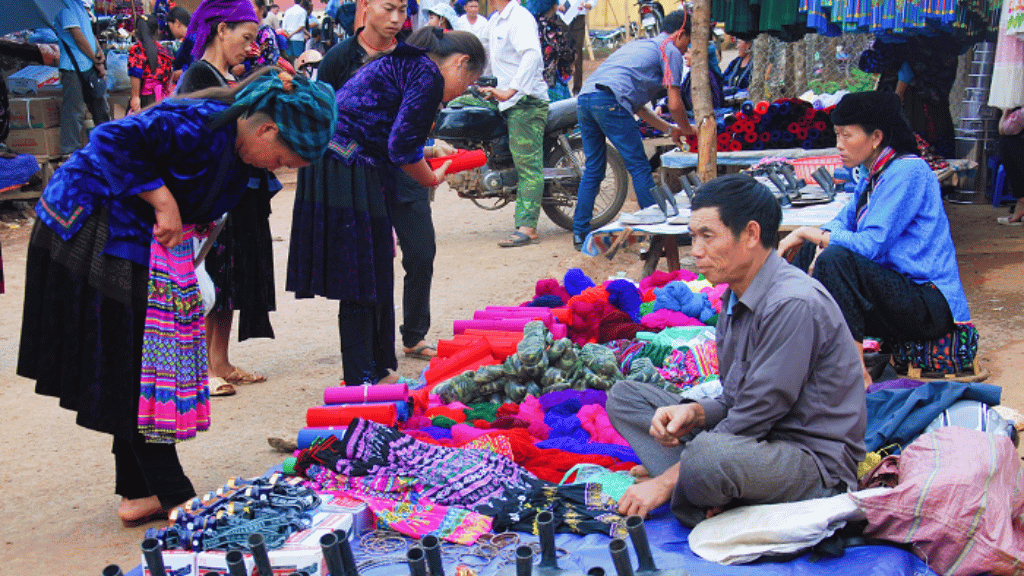
Tucked between mountains, terraced rice valleys and limestone plateaus, this market ranks among the oldest highland markets still active in Vietnam. On market days, Hoa and Hmong communities arrive from the surrounding villages, bringing a colorful display of traditional dress. Visitors will find handmade jewelry, wild honey, forest products from Tua Chua and, above all, Shan Tuyet tea, grown on centuries old tea trees and known for its light, distinctive flavor. The market follows a six day cycle, held on the days of the Horse and the Rat according to the lunar calendar, so it is worth checking the calendar before visiting.
The floating market of Long Xuyen – An Giang
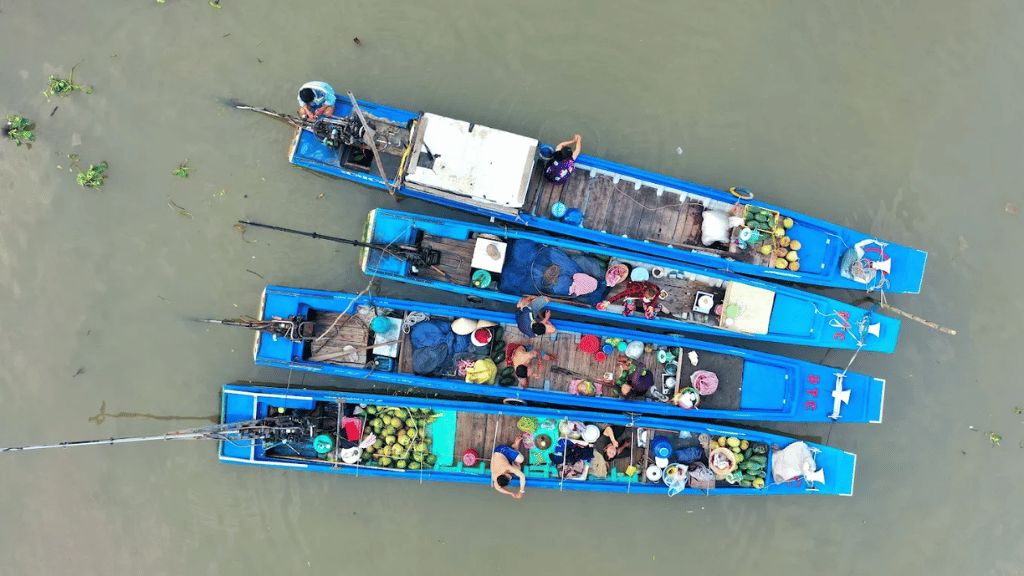
A top choice for anyone drawn to river life in the Mekong Delta. Though it has shrunk in scale, this market keeps its trading activity on the water, with watermelons, pineapples and leafy vegetables passed directly from boat to boat. From the O Moi landing, it is possible to hire a boat early in the morning to explore the floating house neighborhood and watch the daily rhythm of families whose lives are tied to the river: breakfast, exercise or a ferry ride to take the children to school.
The Tam Tien fish market – Da Nang
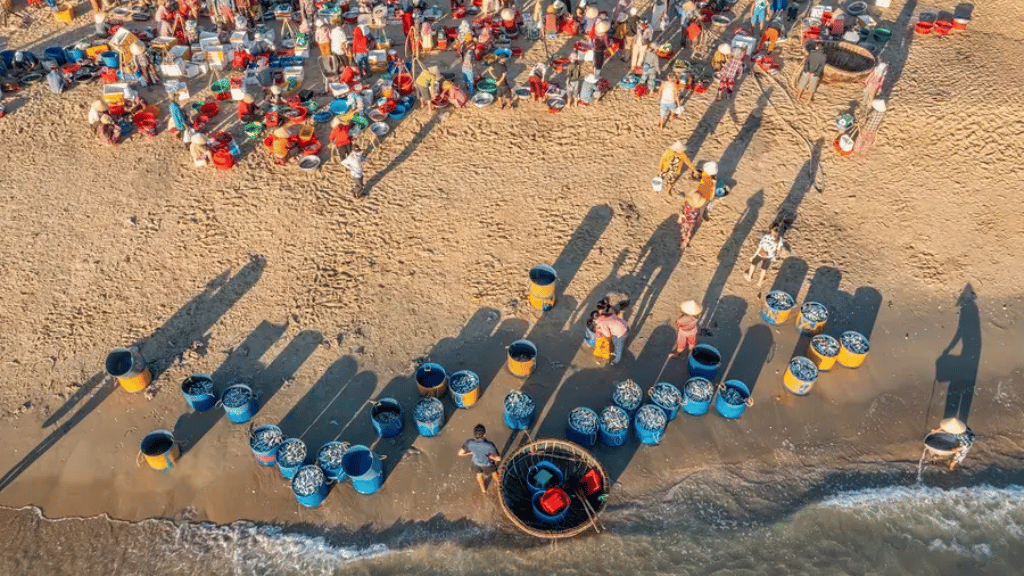
A prime stop for seafood lovers wanting to see fishing life up close. Before dawn, traditional round basket boats bring in fish, shrimp, squid and the rest of the night’s catch. Buyers gather on the beach to compete for the first arrivals, before the goods head off to markets, restaurants or family kitchens. Located about an hour’s drive from Hoi An, this market starts before sunrise and lasts only a few hours, in a lively atmosphere where waves sometimes lap right up to the stalls.
Cho Chom Hom market – Can Tho
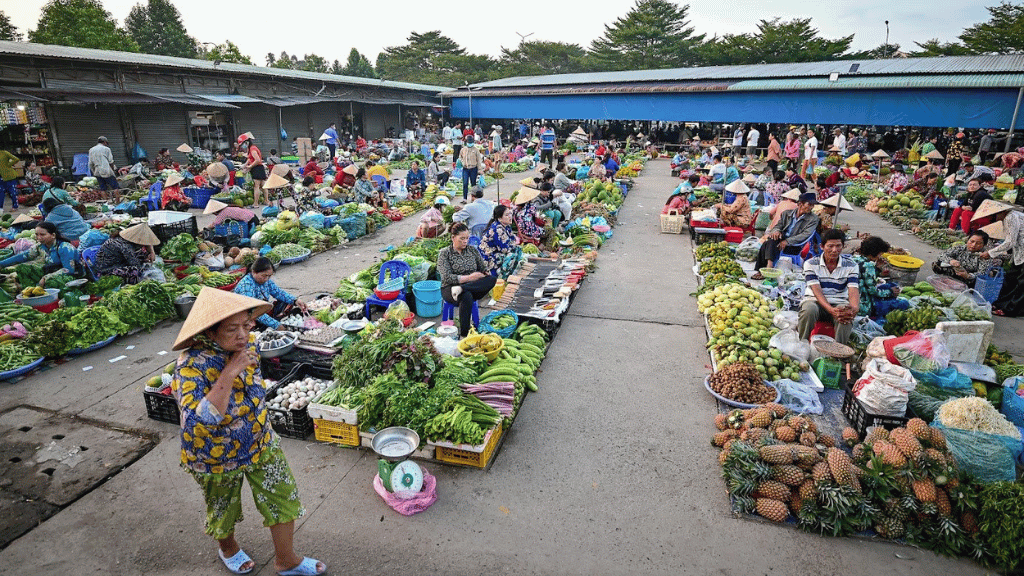
A market worth prioritizing for Mekong Delta produce. Located in the old town of Vi Thanh, in Hau Giang province, this morning market draws sellers from across the region, with specialties such as field rats, frogs, eels, fruit and garden vegetables. Most of the sellers, mainly women, sit on small stools or crouch beside their stalls. Around 9am, as the sun grows stronger, conical hats become, according to Lonely Planet, a familiar sight across this open air market.
The Moc Chau love market – Son La
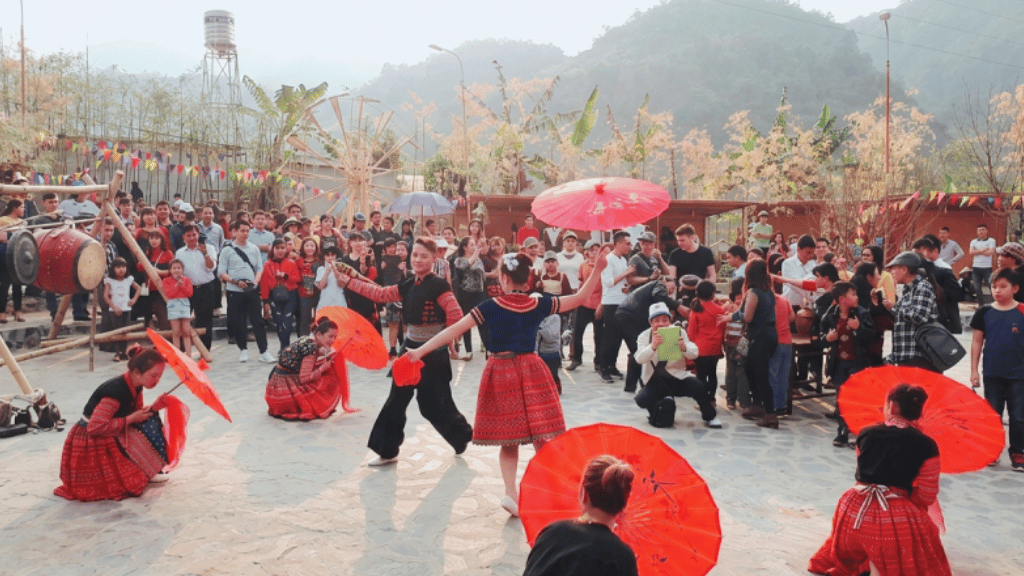
A gathering not to be missed for understanding the culture and love stories of the Hmong people. Held every September 1st, this market was long a meeting place where people came looking for a soulmate or to reconnect with a past love. The event has taken on a more commercial character today, while still keeping cultural performances, sports competitions, stalls selling local specialties and demonstrations of the khene, the traditional Hmong wind instrument. Young participants dressed in colorful outfits fill the market, in a distinctly festive, community atmosphere.




 Google
 Facebook
 Tripadvisor
 Trustindex


