


There’s a moment, maybe 10 minutes into your soak, when the steam wraps around you and something just… settles. The ache in your calves from yesterday’s trek starts to loosen. The air smells like cinnamon and earth and something you can’t name. And you wonder why you almost skipped this.
Red Dao herbal baths are one of those Sapa experiences that look simple on the surface a wooden tub, some dark water, a handful of herbs but carry something much heavier underneath. Centuries of mountain medicine. A tradition passed down in whispers between mothers and daughters. A remedy the Red Dao people once used to heal everything from postnatal recovery to joint pain to winter chills.
This guide covers everything: what the bath actually is, what goes into it, where to find an authentic one (and how to avoid the tourist-trap versions), what the experience looks like from start to finish, and the practical things you should know before you step in.
Table of Contents
What is a Red Dao herbal bath, really?
Before pharmacies reached the mountains of northern Vietnam, the Red Dao people an ethnic minority group who settled across the highland provinces of Lao Cai, Yen Bai, and Ha Giang built their own system of medicine from the forest around them.
The herbal bath, known in the Dao language as Dia dao xin, became one of their most enduring remedies. It was practical and powerful: boil the right combination of plants, soak in the water, let the heat and the herbs do the work. Postpartum women used it to recover their bodies. The elderly soaked to ease joint stiffness. Children were bathed in lighter versions to build immunity. During festivals or illness, preparing the bath was also an act of care a way one family member said I am taking care of you without words.
What makes it different from a regular herbal spa treatment is the specificity of the formula and the cultural knowledge embedded in it. The secrets of mixing, selecting leaves, and preserving medicinal ingredients are passed down through practical experience, not just through words but through each harvesting season and every pot of bathwater cooked. No two families’ recipes are identical. Some have been refined across 15 or 20 generations.
Today, the tradition survives and in Sapa, you can experience it.
What’s actually in the tub?
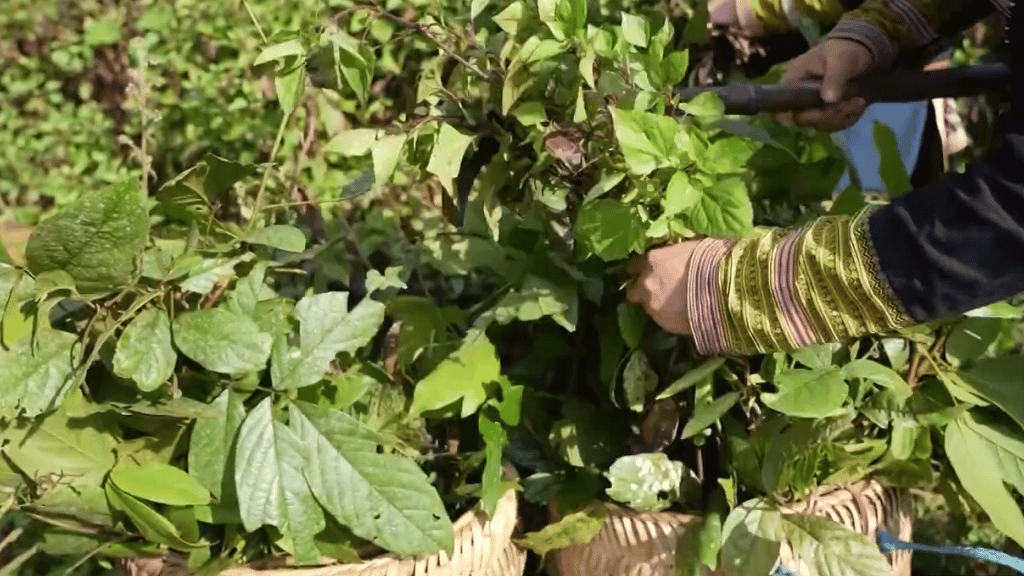
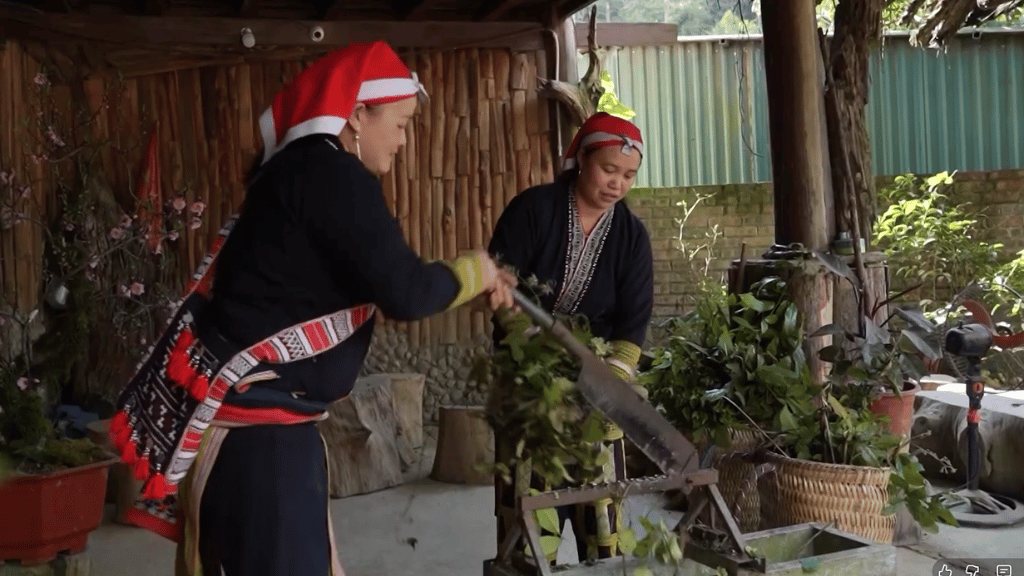
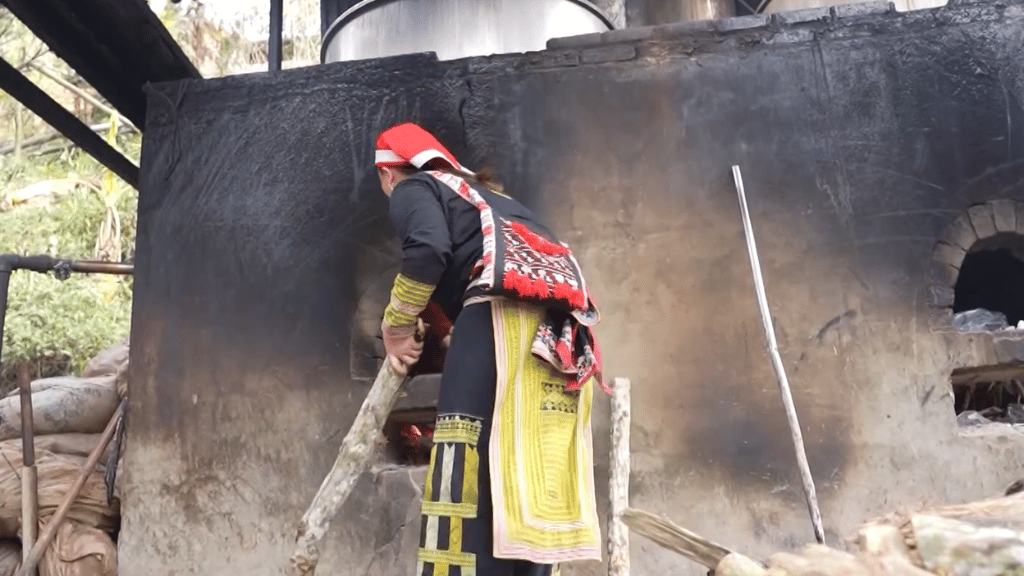
This is the question most visitors don’t think to ask, and it matters. The difference between a genuine Red Dao herbal bath and a tourist imitation often comes down to what’s actually in the water.
A typical Red Dao authentic herbal bath contains anywhere from 10 to 120 different herbs, depending on the healer’s recipe. Common ingredients include elderberry, fig leaves, cinnamon bark, bur-reed, Vietnamese balm, star anise, wild pepper, and tropical dogwood.
More specifically, different herbs serve different purposes in the blend:
- Honeysuckle – anti-inflammatory, helps soothe irritated or wind-burned skin
- Vietnamese cork tree bark – strongly antibacterial
- Camphor and Dioscorea cirrhosa – promote blood circulation, create that characteristic warming sensation
- Gynura procumbens and Homalomena occulta – considered the “soul” of many traditional recipes, these two support overall health restoration and boost vitality
- Angelica dahurica – particularly used in formulas for postnatal recovery
- Lemongrass, cinnamon and star anise – add fragrance and warming properties, especially useful in Sapa’s cool mountain climate
- Melanolepis multiglandulosa – traditionally associated with improving sleep quality
Fresh leaves contain higher levels of essential oils, alkaloids, and flavonoids, helping to significantly enhance therapeutic effects. This is why reputable bathhouses in Ta Phin use freshly gathered herbs rather than dried packets and why you can sometimes see Red Dao women boiling enormous pots over open fires in the morning, their red headdresses visible through the steam.
The tub itself
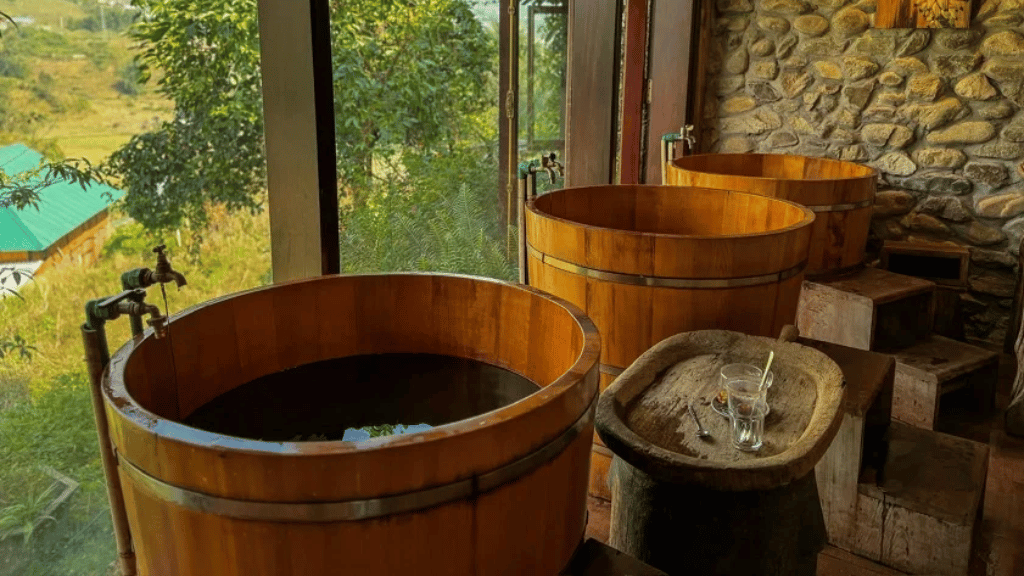
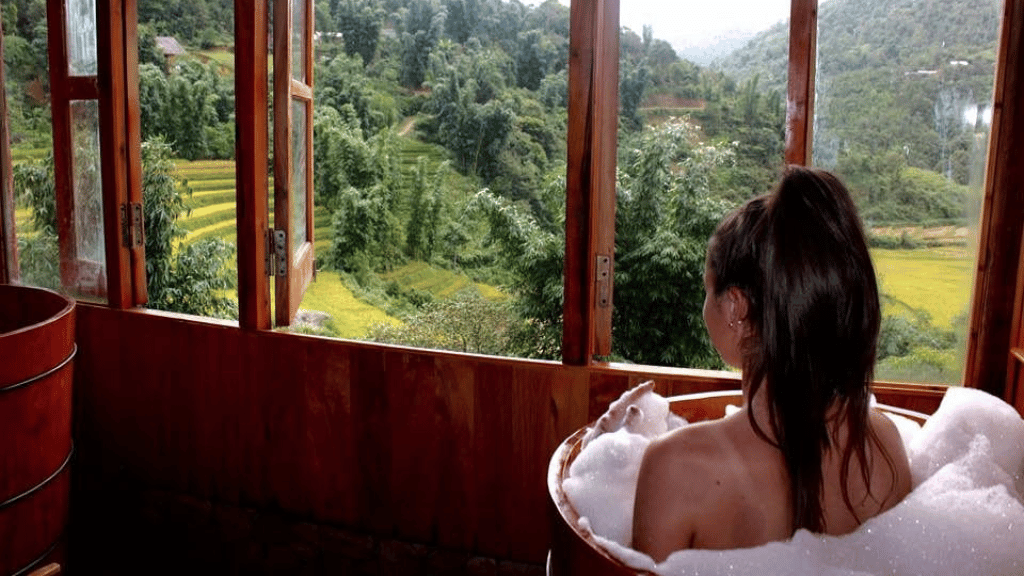
Red Dao herbal baths use wooden barrels hand-carved from “Po mu” a native cypress with a warm, grounding scent. When mixed with hot herbal water, the wood amplifies the bath’s therapeutic effects while filling the room with a calming aroma. If you’re offered a plastic tub or a standard bathtub at a “Red Dao herbal bath” establishment, that’s a signal to look elsewhere.
What makes a Red Dao herbal bath so special?
Let’s be honest there’s a lot of wellness tourism language that overpromises. So here’s a grounded look at what the Red Dao herbal bath genuinely offers:
For muscle recovery after trekking: This is the most immediately felt benefit for most visitors. The heat of the water helps release tensions accumulated in the muscles, while the active substances contained in the plants gradually penetrate the skin. This dual effect contributes to soothing soreness, reducing stiffness, and relieving certain mild joint pain. After a long day on Sapa’s mountain trails, this is the most practical reason to go.
For circulation: Soaking in hot herbal water stimulates blood flow and helps oxygenate tissues. You’ll feel the warmth spreading through your body within the first few minutes. Many people with chronically cold hands and feet notice significant relief after a session.
For skin: Several of the herbs in the formula have purifying and mildly antiseptic properties. After days of trekking through dust, wind, and sun, the herbal bath helps cleanse the skin gently, calm sensations of discomfort, and restore suppleness.
For sleep: The natural aromas cinnamon, star anise, ginger combined with the physical relaxation of the soak create conditions where sleep comes more easily. Many visitors report the best night’s sleep of their trip after an evening herbal bath.
For postnatal recovery: This is one of the bath’s most historically significant uses. The Red Dao have long recommended the bath for women after childbirth to support physical recovery and regulate circulation. Several of the herbs in the formula are specifically selected for this purpose.
Where to find an authentic Red Dao herbal bath in Sapa
Here’s the honest version: not every place advertising “Red Dao herbal bath” in Sapa town is the real thing. The more commercial locations use instant herb packets, plastic tubs, and rotate bathers through quickly. They’re fine for a basic spa experience but they’re not what we’re talking about.
Ta Phin Village (12 km from Sapa Town) – The Best Option
Just 12 kilometers northeast of Sapa lies Ta Phin Village, nestled among mist-covered mountains and rice terraces. This village is the cultural center of the Red Dao people. Here, the Red Dao bath is more than a tourist offering, it is a daily healing practice passed down through generations.
What makes Ta Phin different is context. You arrive in a village where the people who prepare your bath also live, grow the herbs, and use the same tradition for their own families. The experience begins before you step into anything you might see the women boiling the herbs over fire, or walk past bundles of drying plants stacked against doorframes.
Red Dao Authentic Herbal Bath
- Address: 9RXV+3GR, Tả Phìn, Sa Pa, Lào Cai Province
- Price: ~150,000 VND/person for a private 30-minute session; larger tub available (~200,000 VND); massage add-on (~150,000 VND/30 min)
- Note: No frills, very local, genuinely authentic
La Dao Spa
- Address: Ta Van Giay, Ta Van, Sapa, Lao Cai
- Price: ~120,000 VND for 30 min, full bath + massage package from ~450,000 VND
- Known for traditional stilt house setting with forest views
Getting to Ta Phin: You can hire a motorbike taxi from Sapa town for about 50,000–80,000 VND one way, or book a half-day tour that combines Ta Phin village walking with the bath. Going in the morning (before 11 AM) means fewer crowds and fresher herb batches.
Sai Duan Hamlet – For the Off-the-Beaten-Path Experience
Located further north of Sapa near the Chinese border, this small community of Red Dao families has recently opened up to tourism but without the crowds. The herbal bath experience here is raw, natural and deeply personal. There are no big spas or fancy facilities. Instead, you might find yourself in a family-run wooden cabin, where herbs are still freshly collected from the forest that morning.
Getting here requires either renting a motorbike (confident riders only the roads narrow and get rough) or arranging private transport through your guesthouse. It’s worth it if you want to feel like you’ve genuinely found something, not followed a trail of signboards.
Spas in Sapa Town – The convenient option
If you’re short on time or prefer not to travel out to the villages, several spas in Sapa town offer reputable Red Dao herbal baths:
- Dibi Spa: 3 Dong Loi Street
- Heaven Massage & Tam thuoc Sapa: 153 Thach Son Street
- Halosa Spa: 63C Fansipan Street
- Relax Massage & Spa: 50A Thach Son Street
- Herena Luxury Massage & Spa: 3 Thu Dau Mot Street
Price range for Sapa town spas: 150,000–300,000 VND for the herbal bath alone; 300,000–500,000+ VND for combined bath and massage packages. Budget travelers note that Ta Phin village baths start from 80,000–100,000 VND and are often more authentic.
What to expect from a Red Dao herbal bath in Sapa
A Red Dao herbal bath in Sapa is a traditional wellness experience that combines warm herbal water, natural aromas and deep relaxation. It’s a simple yet effective way to unwind, especially after a day of trekking.
Before the Herbal Bath: Essential preparation tips
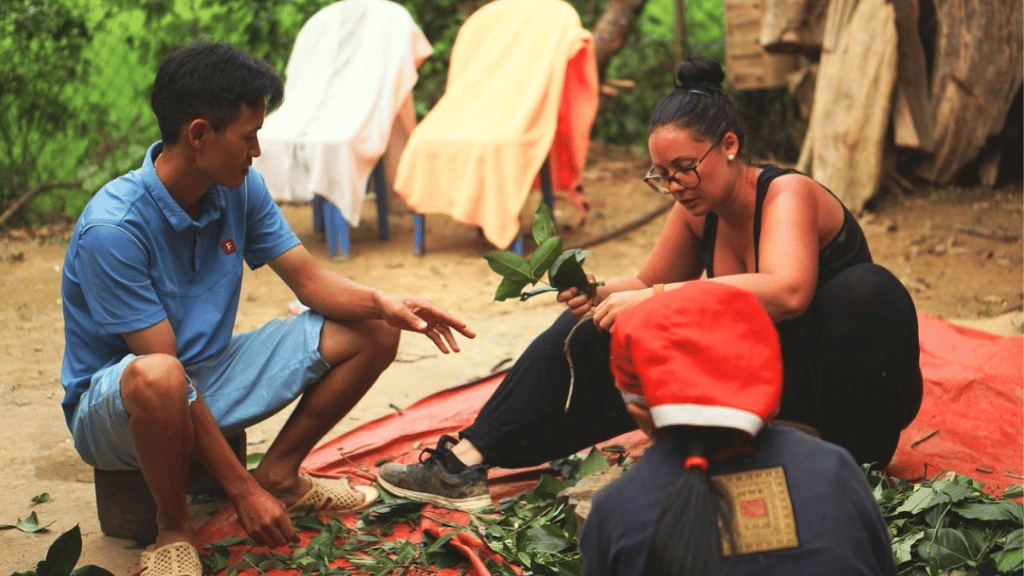
Before stepping into a Red Dao herbal bath, proper preparation can significantly improve your overall experience.
First, avoid eating a heavy meal beforehand. A light snack is acceptable, but soaking in hot herbal water on a full stomach can be uncomfortable. It is best to wait at least 90 minutes after eating.
Alcohol should also be avoided. The combination of heat and medicinal herbs can intensify your body’s reaction, potentially causing dizziness even more so if alcohol is involved.
If you have any medical conditions, take a moment to inform the staff. This is especially important for pregnant women or those with cardiovascular issues, high blood pressure, or known allergies to herbs. Although the ingredients are natural, they have strong medicinal properties.
For visitors with sensitive skin, consider doing a quick patch test. Apply a small amount of herbal water to your wrist and wait a few minutes to check for any reaction before fully entering the bath.
Lastly, drink enough water before your session. The heat will make you sweat, so staying hydrated is essential.
During the herbal bath: What to expect
The bathing experience typically takes place in a traditional wooden tub filled with dark reddish-brown herbal water, maintained at an ideal temperature of around 37–40°C. This temperature helps open pores and allows the body to absorb the natural herbal essences.
At first glance, the water resembles strong tea, both in color and intensity. The scent is rich and earthy, instantly noticeable and deeply relaxing. Within just a few minutes, you will feel the warmth penetrate your muscles, helping to release tension.
In some higher-quality spas, staff may gently massage your shoulders, neck or feet while you soak, further enhancing blood circulation and relaxation.
The recommended soaking time is between 15 and 30 minutes, depending on your physical condition. Children should limit their bath to 10–20 minutes, while adults can enjoy a slightly longer session.
Avoid staying in the bath for more than 30 minutes. Longer soaking does not increase the benefits and may instead lead to fatigue or dizziness due to prolonged heat exposure.
It is also important not to use soap, shampoo, or any chemical products during or immediately after the bath, as they can interfere with the herbal compounds still being absorbed into your skin.
After the herbal bath: Maximizing the benefits
Many visitors tend to overlook this stage but it is actually one of the most important parts of the experience.
After leaving the bath, your body continues to absorb the herbal essences. Take time to lie down and rest in a warm, enclosed space for about 20–30 minutes. Avoid exposure to cold air or any intense physical activity during this period to preserve the therapeutic effects.
In many establishments, you will be offered a cup of herbal tea after your session. It is highly recommended to drink it, as it complements the bath by supporting detoxification from within.
Finally, avoid stepping outside too quickly, especially in Sapa’s cool mountain climate. When your skin is still warm and your pores are open, sudden exposure to cold air can reduce the effectiveness of the treatment and cause discomfort.
Practical tips for visiting a Red Dao herbal bath in Sapa
- Go early. Morning sessions, especially at Ta Phin, mean freshly prepared herbs and fewer people. By early afternoon, especially in peak season, the better spots fill up.
- Book ahead for village baths. The small family-run operations in Ta Phin don’t always have walk-in capacity. A quick call or a message through your guesthouse is enough but do it the morning of, at least.
- Choose the full-body bath over the foot bath if you can. The foot bath is a lighter introduction and fine if you’re pressed for time, but the full immersion experience is genuinely different. The steam, the enclosed wooden space, the full-body warmth it’s a complete sensory shift.
- What to bring: A change of clothes, a small towel, and flip-flops. Most places provide the rest, but it’s worth asking ahead.
- Combine it with a village walk. The best way to experience Ta Phin is to spend two to three hours walking the village, watching the Red Dao women work on their embroidery, stopping at the local market if timing allows and then finishing with the herbal bath. It shifts from being a spa activity to being a meaningful cultural close to the day.
- For trekkers: Plan the bath for the evening of your biggest hiking day. The combination of physical exhaustion and the herbal soak creates a recovery that genuinely sets you up for the next day in a way that a hotel shower doesn’t.
FAQs
1. How much does a Red Dao herbal bath cost in Sapa?
Prices range from 100,000–200,000 VND in Ta Phin village and 150,000–300,000 VND in Sapa town. Packages with massage can go from 300,000–500,000+ VND.
2. How long does a Red Dao herbal bath experience take?
Soaking lasts 20–30 minutes for adults and 10–20 minutes for children
3. Is a Red Dao herbal bath safe for everyone?
Safe for most people, but pregnant women or those with heart issues, high blood pressure, or allergies should consult a doctor. Avoid if you have wounds or fever.
4. Can you combine a Red Dao herbal bath with other spa treatments?
Yes. Many places offer packages with massage and herbal tea. In Ta Phin, massage can be added for around 100,000–150,000 VND.
5. Do you need to book a Red Dao herbal bath in advance when visiting Sapa?
For village bathhouses in Ta Phin, a same-day call or message is recommended, especially during peak season (September–November and March–May). Small family-run operations have limited capacity. For spas in Sapa town, walk-ins are usually fine outside of peak hours, though booking ahead saves you waiting.
You can leave Sapa with great photos of rice terraces and a Fansipan summit selfie. Or you can also leave with the memory of sitting in a wooden tub as evening fog rolls over the valley, skin warm from mountain herbs, the kind of tired-but-recovered feeling that takes days of regular living to manufacture.
The Red Dao herbal bath won’t fix everything. But it will do what it’s always done slow the body down, clear the head, and let something old and genuinely healing do its work.




 Google
 Facebook
 Tripadvisor
 Trustindex


