


Exploring Vietnam with a group of friends offers the chance to discover the country at your own pace while sharing memorable experiences, from the lively streets of Hanoi and the landscapes of northern Vietnam to the floating markets of the Mekong Delta and the beaches of Phu Quoc. With so many destinations and activities to choose from, a little preparation can make the journey much easier to organize.
From choosing suitable accommodation and transportation to managing the budget and planning activities that everyone will enjoy, there are several practical questions to consider before setting off. This guide answers 10 of the most common questions about planning a trip to Vietnam with friends, helping you prepare a smoother and more enjoyable journey. Ready to start planning? Let us create a tailor-made Vietnam trip that suits your group.
Table of Contents
When’s the best time to visit Vietnam with friends?
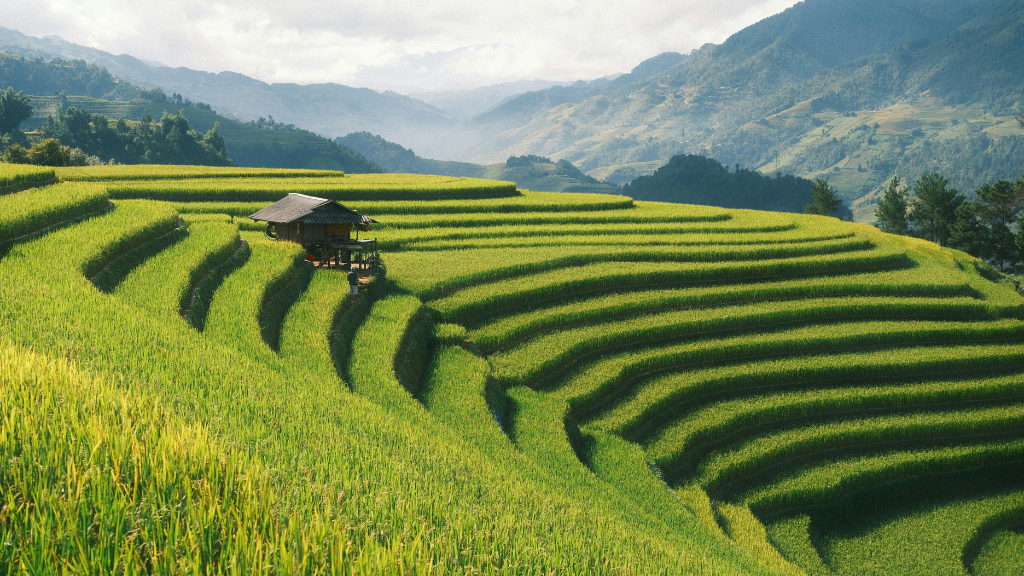
For a trip across Vietnam with friends, November to April is generally the most convenient time to travel, with favourable weather in most destinations
Northern Vietnam: November to April
For Hanoi, Halong Bay, Ninh Binh, Sapa and Ha Giang, November to April generally offers pleasant conditions for sightseeing and outdoor activities. December to February can be cool, particularly in the mountains, while March and April are milder and often better suited to trekking and exploring.
Central Vietnam: February to August
Hue, Da Nang, Hoi An and Quy Nhon are generally best visited from February to August. From September to December, heavier rainfall can affect the region and flooding is sometimes possible in Hoi An and other low-lying areas.
Southern Vietnam: December to April
For Ho Chi Minh City, the Mekong Delta, Phu Quoc and Con Dao, December to April is the dry season and usually the most comfortable period for outdoor activities and beach stays. From May to November, rain is more frequent, often arriving as short but heavy afternoon showers.
If your friends’ trip covers several regions, November to April is generally the best time to visit Vietnam, offering a good balance between sightseeing in the North, exploring Central Vietnam and enjoying the beaches and islands in the South.
One thing to keep in mind is Tet, the Vietnamese Lunar New Year, which usually falls in late January or February. During this period, many businesses close for several days and domestic travel becomes much busier. If your trip coincides with Tet, book accommodation and transport well in advance and keep your itinerary flexible.
How many days should you spend in Vietnam with friends?
Vietnam is a long country and trying to see everything in one short trip can quickly turn into a race between airports, hotels and sightseeing spots. For a trip with friends, two to three weeks is generally a comfortable amount of time to explore several parts of the country while still leaving space to slow down, relax and enjoy time together.
The ideal length depends less on the number of days you have available and more on how many regions you want to include. The North, Central and South each offer a very different side of Vietnam and moving between them can take more time than expected.
7 to 10 days: focus on one region
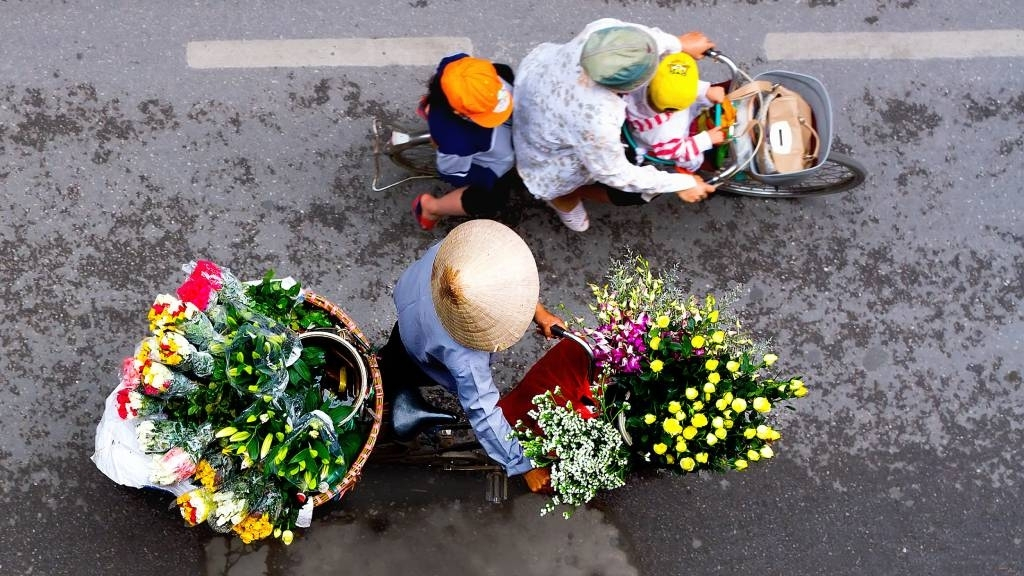

With just one to ten days, it is best to choose one region and explore it properly rather than trying to cover the whole country.
Northern Vietnam is a great option, with Hanoi, Halong Bay and Sapa offering a mix of culture, dramatic landscapes and memorable experiences. You can also choose Central Vietnam for destinations such as Hue, Hoi An and Da Nang.
This format allows you to experience a lot within a short trip, but the schedule can become quite busy. Keeping some free time in the itinerary is especially important when travelling with friends.
12 to 15 days: a good balance for a friends’ trip
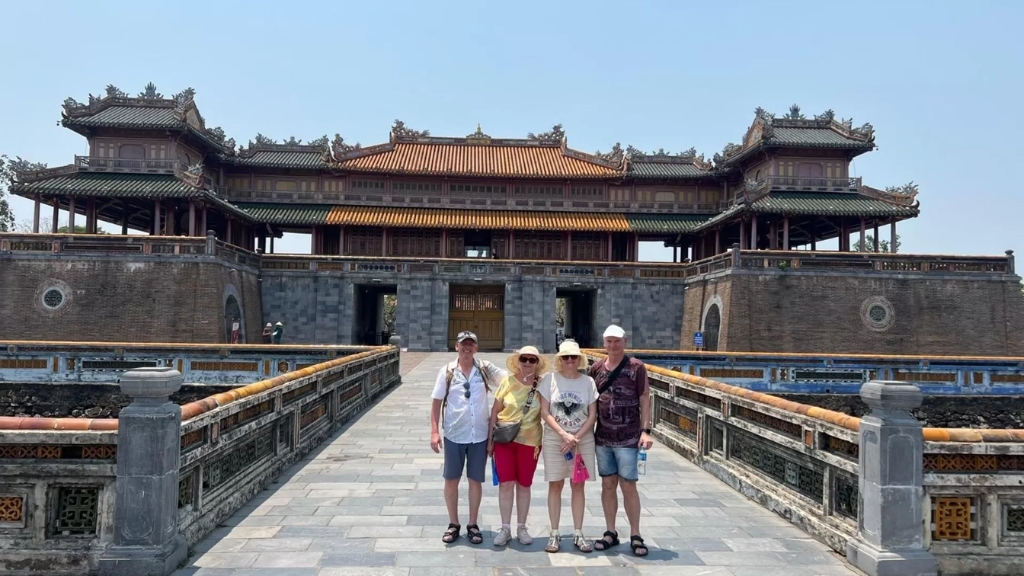
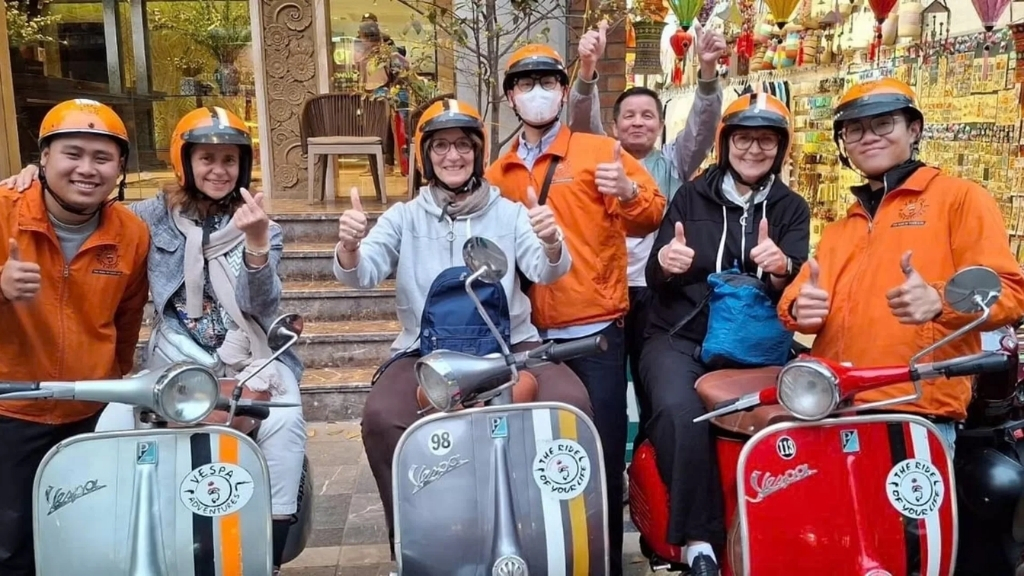
Twelve to fifteen days is one of the most comfortable options for a trip to Vietnam with friends. It gives you enough time to combine two regions without spending too much of the holiday on the road.
For example, you could combine Northern and Central Vietnam, with Hanoi, Halong Bay, Hue and Hoi An. Another option is to explore Central and Southern Vietnam, combining destinations such as Hoi An, Ho Chi Minh City and the Mekong Delta.
This length allows you to mix cultural discoveries, nature, food experiences and time to relax, without constantly having to pack and unpack.
18 to 21 days: take your time from North to South
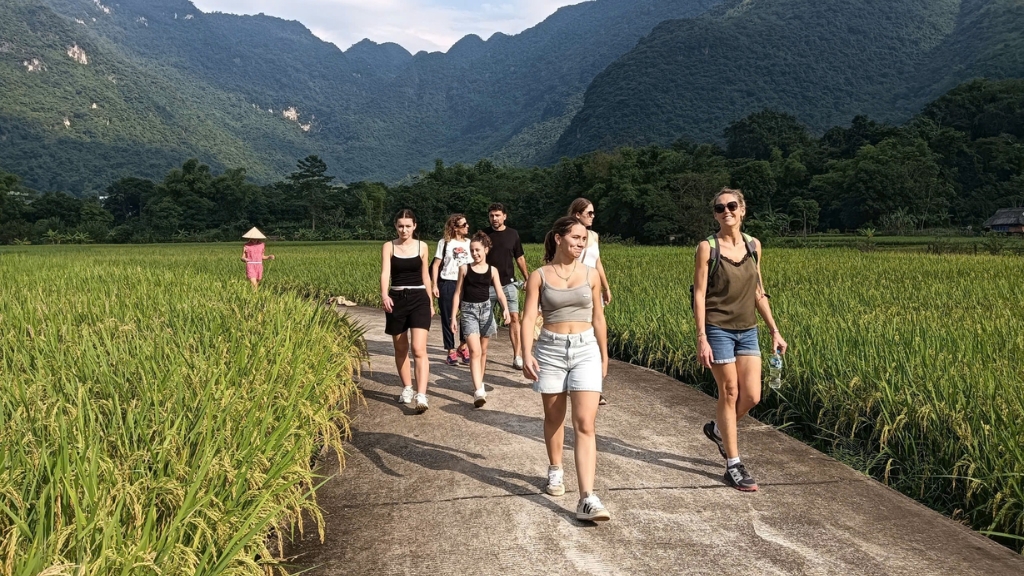
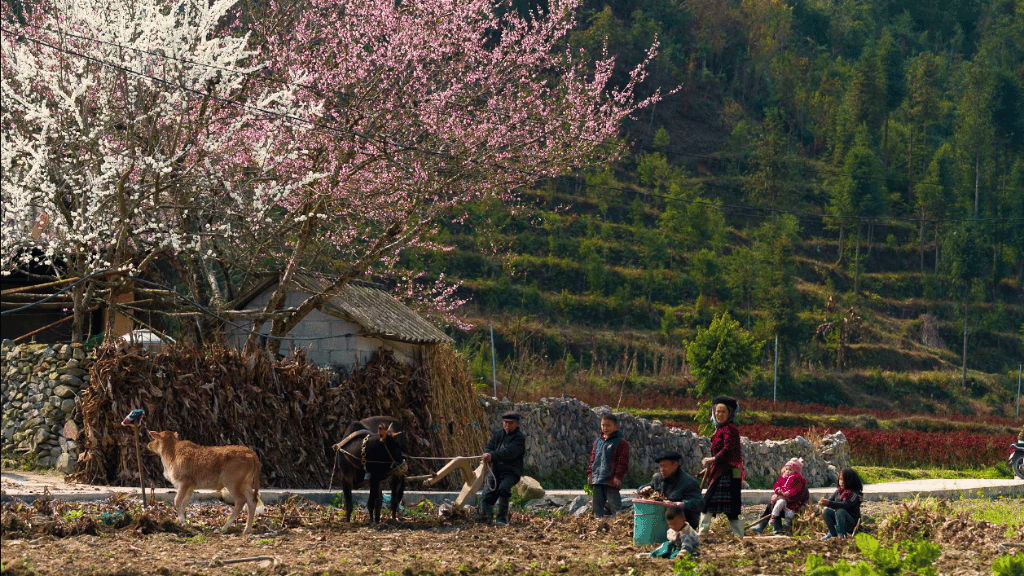
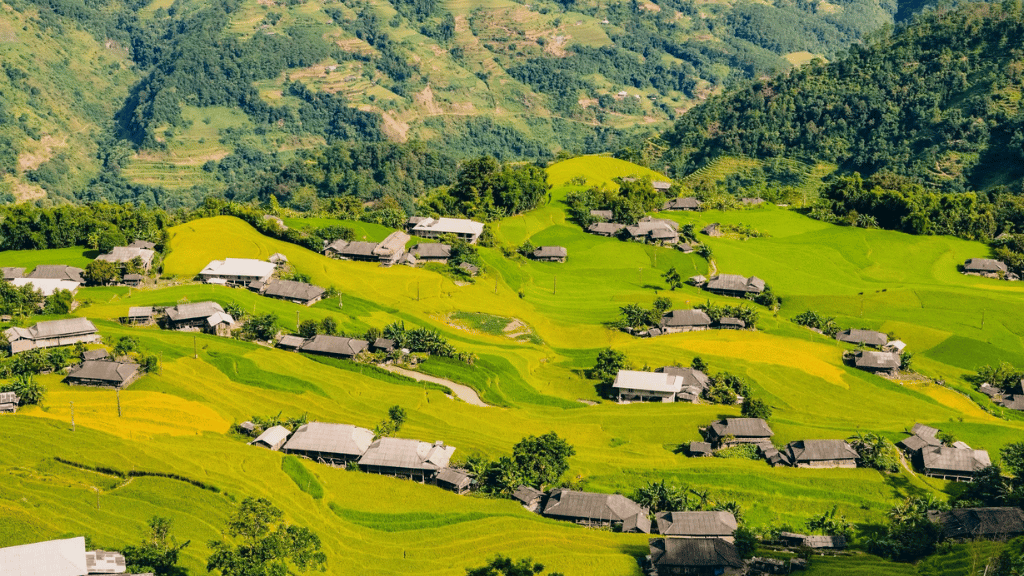

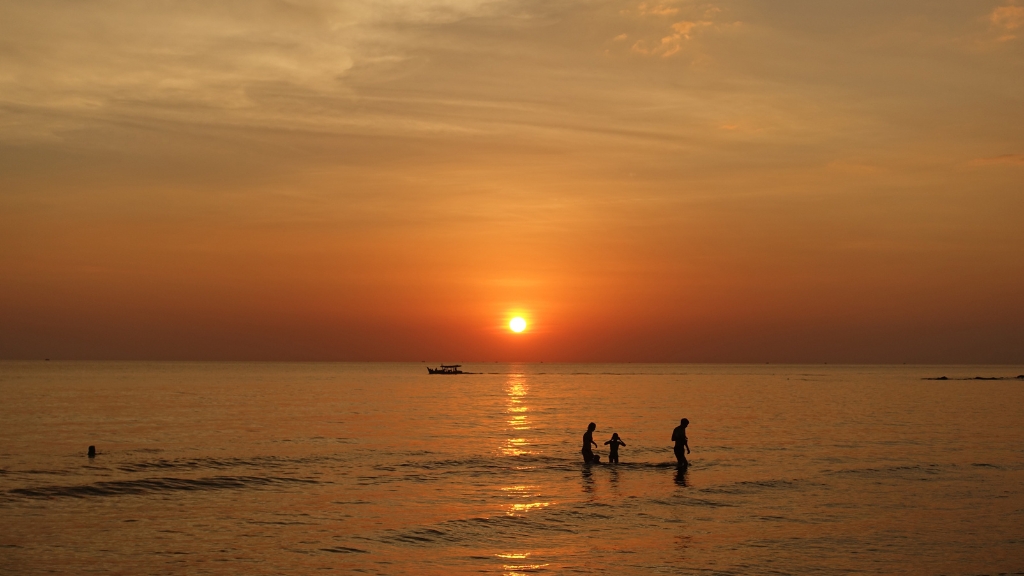
If you have 18 to 21 days, you can consider a more complete North-to-South itinerary.
This gives you enough time to visit several of Vietnam’s major highlights while keeping the pace manageable. You might combine Hanoi and the mountains of the North with Halong Bay, then continue to Hue and Hoi An before heading south to Ho Chi Minh City and the Mekong Delta.
The advantage of three weeks is not simply being able to see more places. It also gives you room for slower days between busy sightseeing days, which can make a big difference when travelling as a group.
A few simple tips for planning your itinerary
For a first trip together, these simple guidelines can help you find the right balance:
- Keep the itinerary to four or five main stops at most.
- Stay at least two nights in each destination so you are not constantly packing and unpacking.
- Leave one slower day every four or five days of sightseeing to rest, enjoy your accommodation or make spontaneous plans.
- Mix different types of experiences, such as cultural visits, nature, food, outdoor activities and relaxing moments.
Those unplanned moments can end up being some of the best memories of the trip: a coffee that turns into a two-hour conversation, a walk through a neighbourhood that was never on the itinerary, or a dinner that everyone wants to keep going a little longer.
How much does a trip to Vietnam with friends cost?
A comfortable trip to Vietnam with friends costs around $150 per person per day. This typically covers good accommodation, meals, local transportation, sightseeing and a selection of activities. For groups of four to eight friends, sharing costs can make the trip even better value. A private car, villa, local guide or certain activities can become much more affordable when the cost is divided among several people.
Here are the main expenses to include:
- Transport: domestic flights, trains, airport transfers and local transportation. Because Vietnam is a long country, transport can represent a significant part of your budget.
- Accommodation: comfortable hotels, boutique guesthouses, homestays or private villas. For groups, a villa can offer more space and better value per person.
- Food: street food and local restaurants can cost around $10–20 per person per meal, while a meal at a more upscale restaurant may be around $30–50. Most groups naturally mix both.
- Activities: cruises in Halong Bay, trekking, cycling, Mekong Delta boat trips, cooking classes and craft workshops can all be included depending on your itinerary.
- Entrance fees: museums, historical sites, temples and natural attractions generally cost around $20–50 per person.
- Local guides: hiring a guide for a day or two can add to the budget but is particularly useful for cultural visits and more complex itineraries.
With around $150 per person per day, a group of friends can enjoy a comfortable trip with good accommodation, private or convenient transport and a varied selection of experiences, without having to worry too much about every individual expense.
Which destinations are best for a trip to Vietnam with friends?
Choosing the right stops is really about favoring places that naturally create shared moments rather than just checking famous sights off a list. Below is a rundown of destinations that work particularly well for groups, along with concrete activities that shine when done together.
Hanoi: local immersion and spontaneous moments
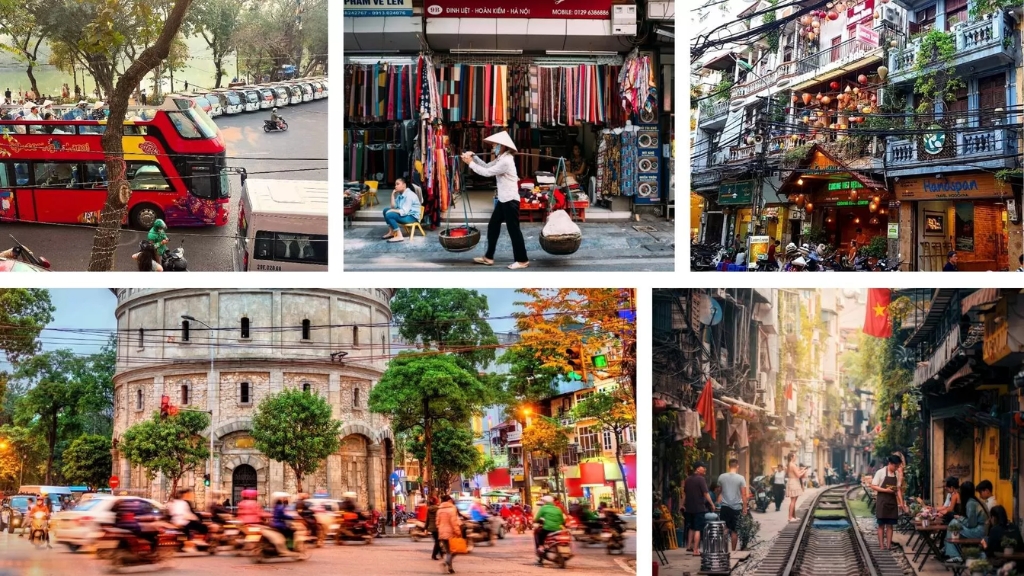
Hanoi rewards groups who like to wander without a strict plan. The Old Quarter’s 36 streets were traditionally each dedicated to a different trade and many still specialize in certain goods today, from silk to hardware to funeral offerings, which makes wandering genuinely interesting rather than just scenic.
- Get pleasantly lost together in the Old Quarter, weaving through narrow lanes packed with vendors, motorbikes and tiny shopfronts.
- Join a guided food tour to sample several specialties across one evening rather than committing to a single restaurant.
- Grab low plastic stools at a bia hơi corner for a round of fresh, cheap local draft beer alongside the after-work crowd.
- Watch the evening rhythm around Hoan Kiem Lake, where locals gather to walk, exercise and socialize as the sun goes down.
- Consider a short water puppet show at the Thang Long theatre for a quick cultural detour that works well for a mixed group.
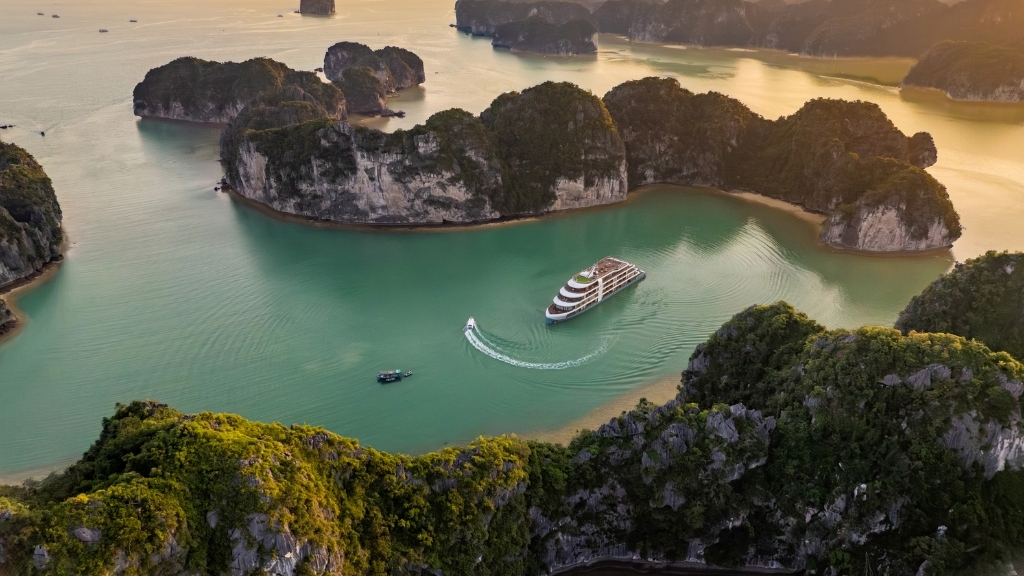
Halong Bay or Lan Ha Bay: an unforgettable group experience
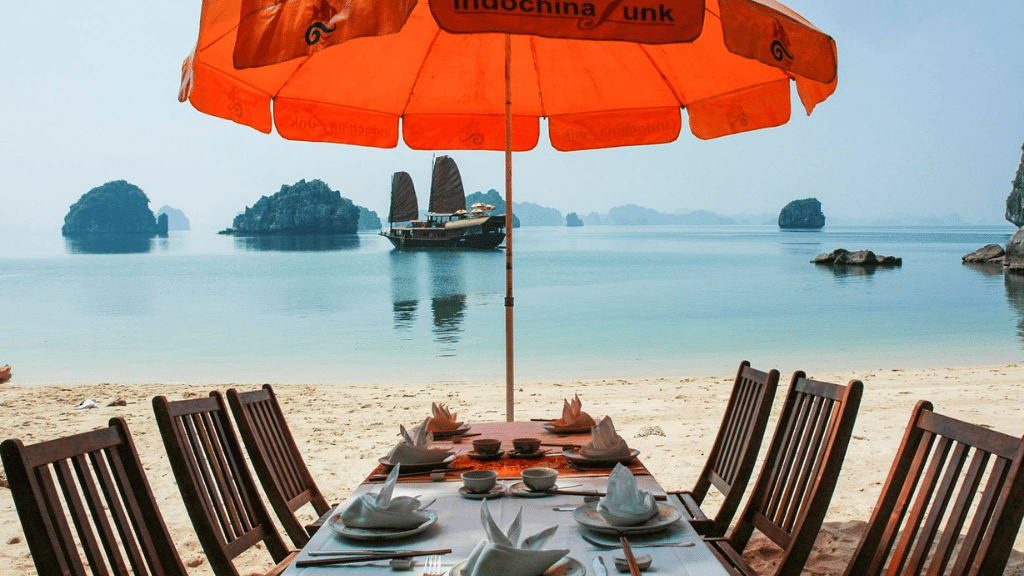
Lan Ha Bay tends to be quieter and less crowded than the main Halong Bay routes, which many groups prefer for a more relaxed pace.
- A two-day, one-night or three-day, two-night cruise aboard a traditional junk boat, with meals and cabins included.
- Kayaking together among the limestone karst formations, with routes that lead into hidden lagoons only accessible by paddling through narrow cave openings.
- Swimming directly off the boat in calm, shallow coves.
- A barbecue set up on a private beach in Bai Tu Long Bay, a genuinely exclusive moment where the group has the shoreline entirely to itself.
- Watching the sunset from the top deck followed by a relaxed evening under the stars, often with drinks and card games.
Sapa: adventure and immersion in nature

Sapa sits at around 1,500 meters above sea level, so evenings can get chilly even in summer. Pack a light jacket regardless of season.
- A one to two day trek through terraced rice fields, passing through several ethnic minority villages along the way, including Hmong and Dao communities.
- A homestay night with a local family, sharing a home-cooked dinner and often a bit of homemade rice wine.
- Visiting a local market, such as the Can Cau or Bac Ha markets, which run on specific days of the week and are known for local textiles and produce.
- Riding the cable car up to the summit of Fansipan, the highest peak in Indochina, for panoramic views without needing to trek the whole way up.
Mai Chau: calm, nature and local life
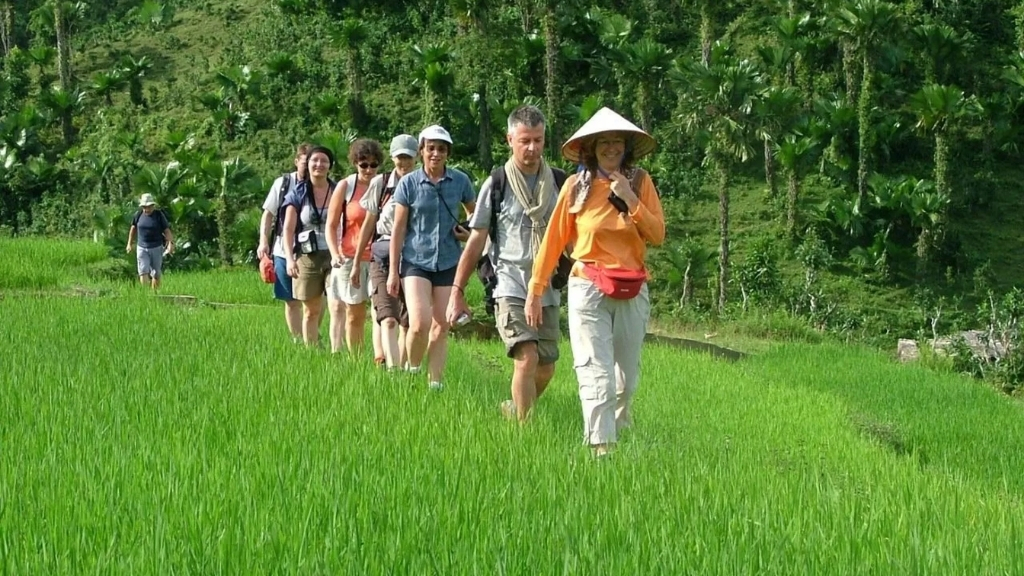
Mai Chau sits in a valley about three to four hours from Hanoi, making it a popular shorter alternative to Sapa for groups with less time.
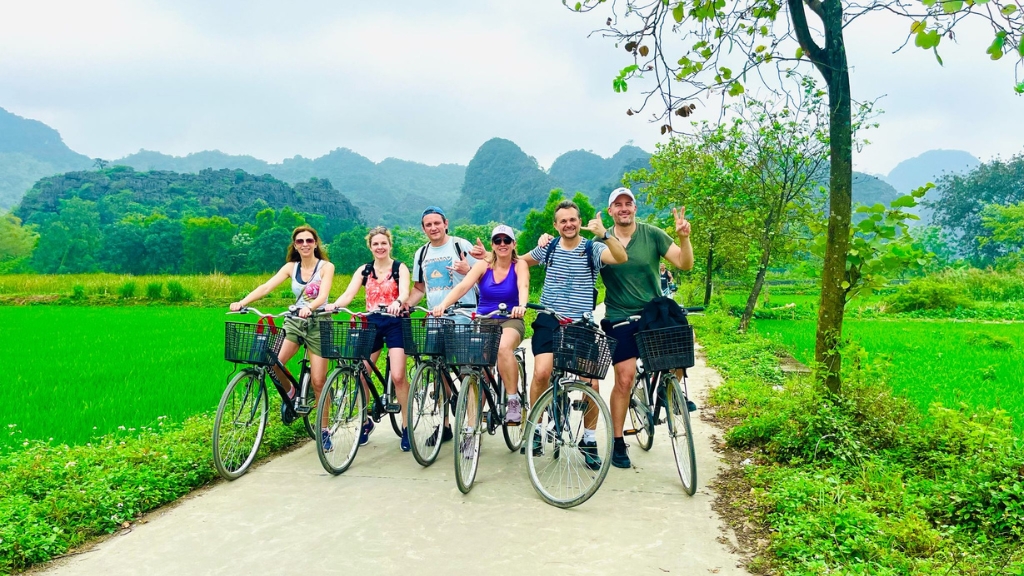
- Cycling along flat roads through rice paddies and small villages, an easy activity that suits all fitness levels.
- Sleeping in a traditional stilt house shared with the rest of the group, paired with a communal local dinner.
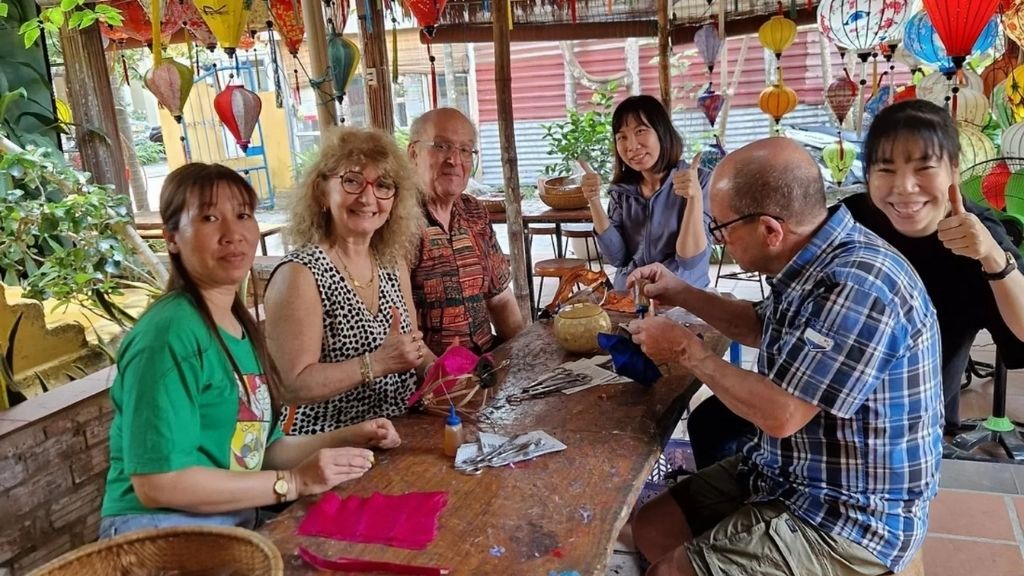
- Joining craft activities with local artisans, including weaving and dyeing demonstrations.
- Watching a traditional dance performance in the evening, often organized by the homestay hosts.
Hoi An and Da Nang: culture, ease and good vibes
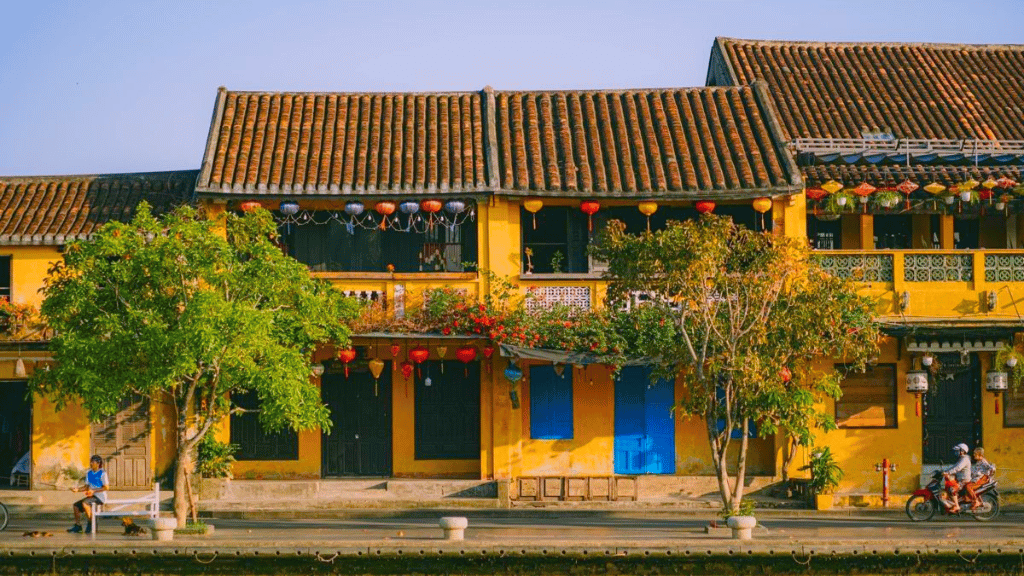
Hoi An’s ancient town is lit almost entirely by lanterns after dark, which gives it a completely different character at night compared to daytime.
- An evening stroll through lantern-lit Hoi An, particularly around the full moon when the town holds its monthly lantern festival with dimmed street lighting.
- A group cooking class that starts with a market visit, letting everyone pick ingredients before learning to prepare a few classic dishes together.
- Relaxing on Da Nang’s long, wide beaches, which are generally calmer and less crowded than those further south.
- Exploring the cafés, bars and small rooftop spots scattered across both cities in the evening.
Nha Trang and Mui Ne: beach and nightlife
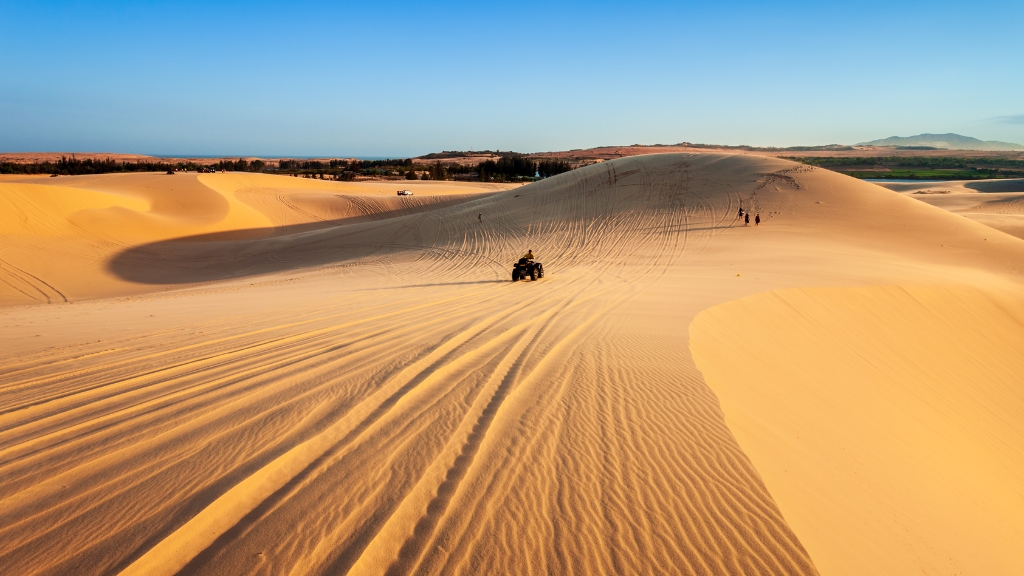
Nha Trang tends to attract a livelier, more social crowd, while Mui Ne is quieter and better known for its dramatic dunes.
- Beach time paired with water sports such as jet skiing, parasailing, or diving trips out to nearby islands.
- A jeep excursion through Mui Ne’s red and white sand dunes, usually timed for sunrise or sunset when the light is at its best.
- Trying kitesurfing, since Mui Ne’s steady coastal winds make it one of the region’s better spots for it.
- Bars and rooftop venues in Nha Trang for a livelier night out.
The Mekong Delta: an immersive, off-the-beaten-path experience
The Delta moves at a slower pace than almost anywhere else in Vietnam, which many groups find is a welcome change after busier cities.
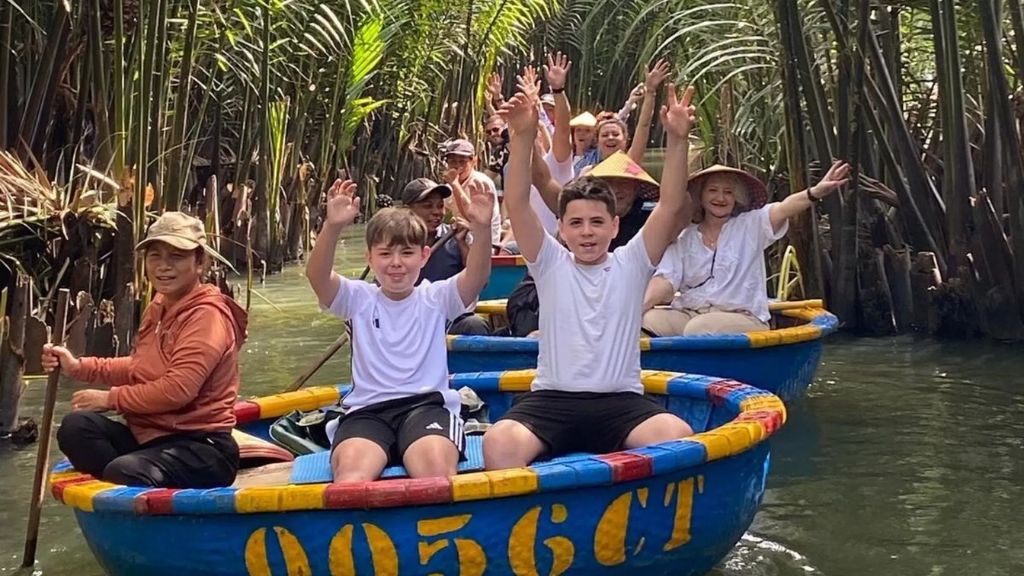
- Boating through narrow canals lined with coconut palms, often in smaller traditional rowboats for the final stretch.
- Visiting an early-morning floating market, such as Cai Rang near Can Tho, where boats trade produce directly on the water.
- Cycling through orchards and villages, stopping to sample local fruit straight from the source.
- A homestay night with local cuisine, often including freshwater fish caught nearby.
Ho Chi Minh City: urban energy and nights out
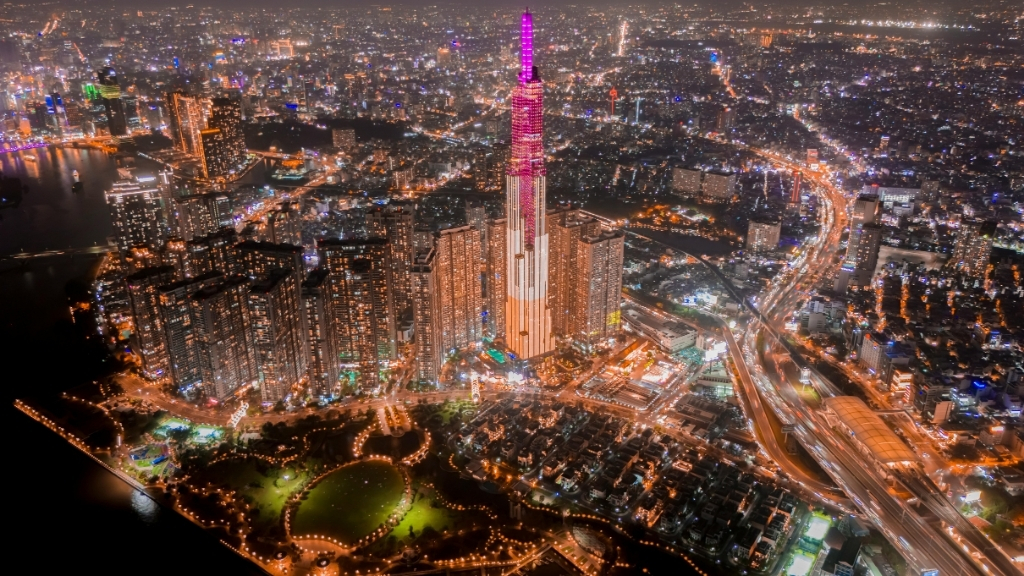
Formerly known as Saigon, the city has a noticeably faster pace and younger energy compared to Hanoi.
- A scooter-based street food tour with a guide, weaving through neighborhoods that are hard to reach on foot.
- Exploring local markets, including Ben Thanh in the daytime and the surrounding night market after dark.
- Rooftop bars with skyline views, a popular way to unwind after a day of sightseeing.
- Modern specialty coffee shops and lively districts like District 1 and District 3.
Phu Quoc: relaxation and the perfect finale
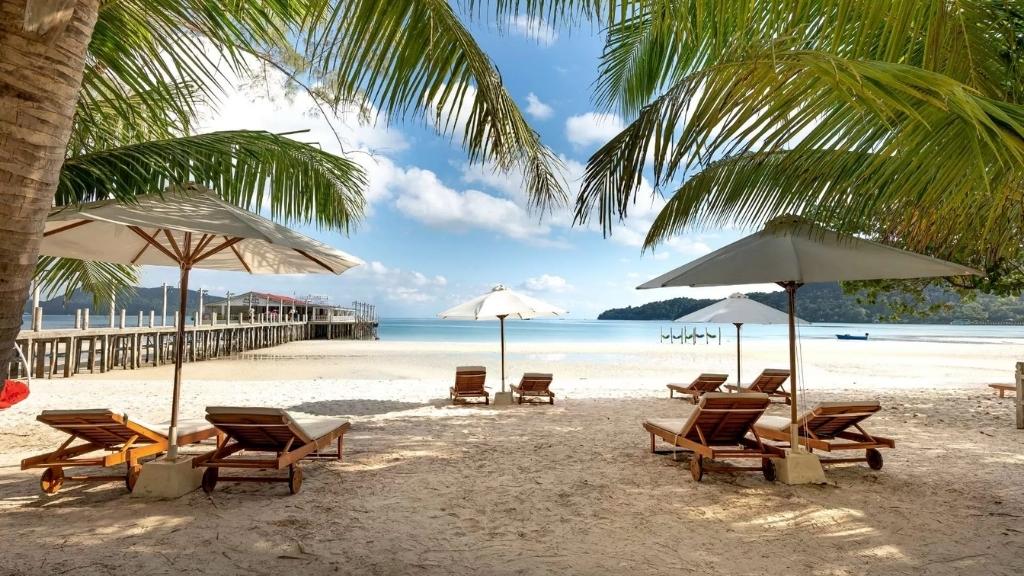
Phu Quoc works particularly well as the final stop on a longer itinerary, since it’s built for winding down.
- White-sand beaches along the island’s southern and western coasts.
- Snorkeling trips or full-day island-hopping boat tours to explore nearby reefs.
- Sunsets over the water, especially from the western coast where the sky often turns a deep orange.
- Free, unstructured time with friends, without a packed schedule pulling everyone in different directions.
Which itinerary is best for travelling around Vietnam with friends?
A good itinerary is not just about connecting destinations on a map. It should balance travel time, the group’s pace and the experiences everyone wants to share. With Vietnam’s long distances and wide range of destinations, choosing the right number of stops can make the difference between a smooth, enjoyable trip and one that feels rushed.
Below are some itinerary ideas you can use as a starting point, combining cultural discoveries, nature, relaxation and shared experiences at a comfortable pace. Each route can also be adapted to your travel dates, group size, interests and preferred pace.
Below are some itinerary options we would like to recommend for your trip with friends:

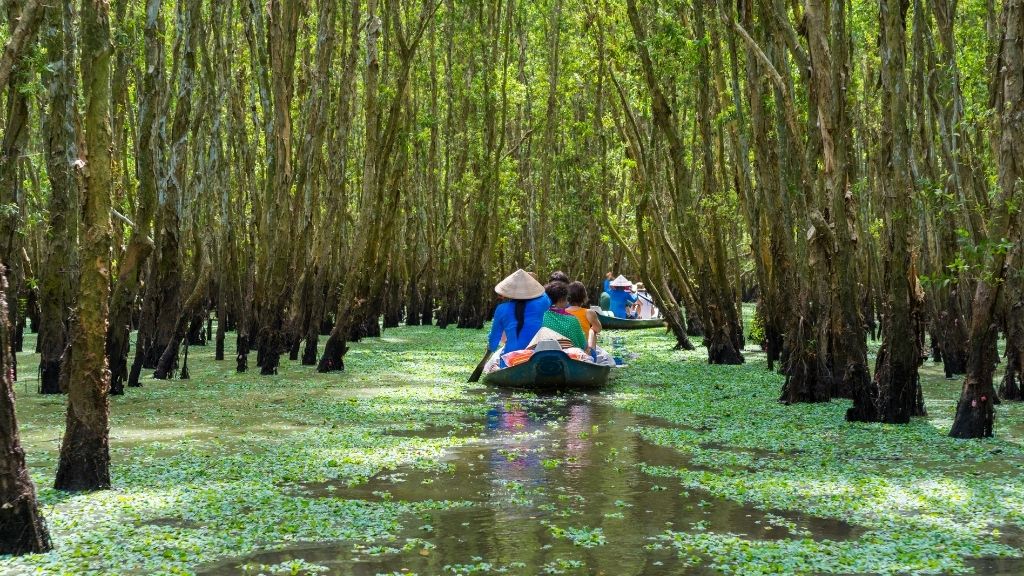
What transport options are available in Vietnam?
Choosing how to travel comes down to the distance involved, the time available and the comfort level your group is aiming for. For a group trip specifically, it usually helps to pick options that simplify logistics, cut down on fatigue and let everyone spend travel time together rather than scattered across different vehicles.
Flying for long distances
Flying remains the fastest way to connect the north and south of the country. A flight between Hanoi and Ho Chi Minh City takes roughly two hours in the air.
- Average fare: between 100 and 180 euros depending on the season and how far in advance you book.
- Well suited to groups who want to make the most of limited time.
- Multiple flights run daily on major routes, which makes scheduling flexible.
For a group of friends, booking the same flight together well in advance helps avoid getting split up and usually secures better group pricing.
Night trains for a shared experience

Trains are a strong option on routes like Hanoi to Hue to Da Nang and the network also connects further south toward Nha Trang and Ho Chi Minh City.
- Cost: between 30 and 60 euros for a sleeper berth, depending on the class of cabin.
- Four-berth soft sleeper cabins are ideal for a group of friends who want their own space together.
- Generally more comfortable and spacious than an overnight bus.
Traveling this way lets the group stay together, chat, play cards, or simply rest while covering distance overnight. It also saves the cost of a hotel night since you sleep on the move.
Sleeper buses for mid-range distances
Sleeper buses are widely available and connect a large number of destinations that trains don’t reach directly.
- Cost: between 20 and 40 euros depending on distance and the quality of the bus operator.
- Frequent routes running between Hue, Hoi An, Nha Trang and Da Lat.
- One of the more budget-friendly options for groups.
Comfort is generally decent, though the bunks are narrower than a train cabin and legroom can be tight for taller travelers. It’s worth sticking to well-reviewed operators and, where possible, choosing a higher-quality bus for a more comfortable overnight ride.
Private car with driver for extra comfort
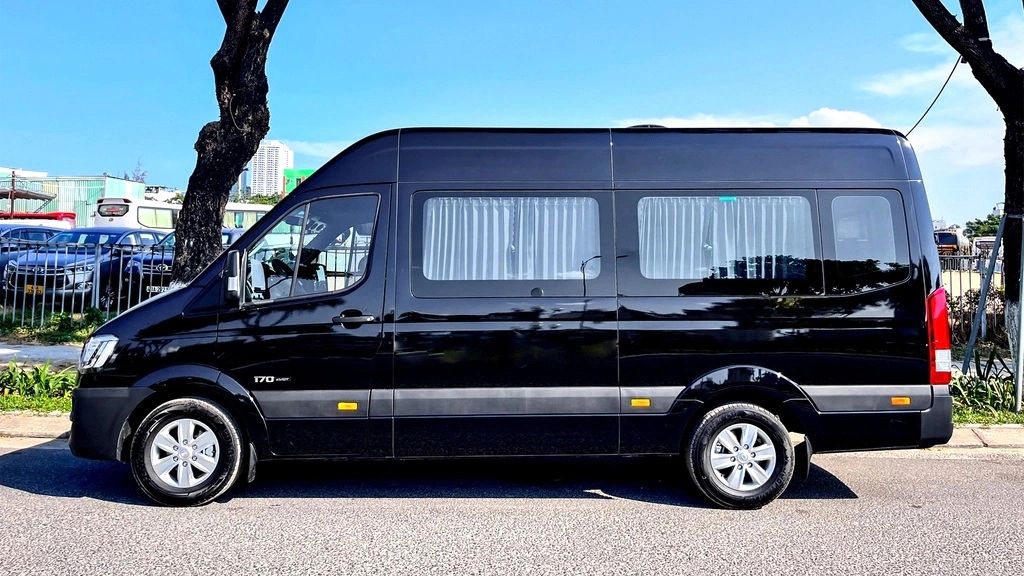
For a group of four to eight people, a private car with driver is often the most comfortable choice available.
- The cost is higher than public transport, but split across several people it becomes quite reasonable per person.
- Full flexibility on timing, stops and route.
- Especially useful for day excursions or reaching areas that are harder to access by public transport, such as remote mountain villages.
This option lets the group travel together without compromise and adjust the day’s plan on the fly based on how everyone’s feeling.
Renting scooters
Many travelers also choose to rent scooters, particularly in central Vietnam. This gives real freedom to explore at your own pace, though it comes with real risks: traffic can be chaotic in bigger cities and an international driving permit is technically required. Groups less confident on two wheels often prefer to hire a driver-guide on a scooter tour instead, letting a local handle the actual riding.
Which accommodation is best for a trip with friends?
Where you stay shapes how the trip actually feels day to day, not just how comfortable the beds are. The right choice keeps the group together and avoids the common frustration of everyone drifting off in different directions once the day’s activities are done.
Private villa
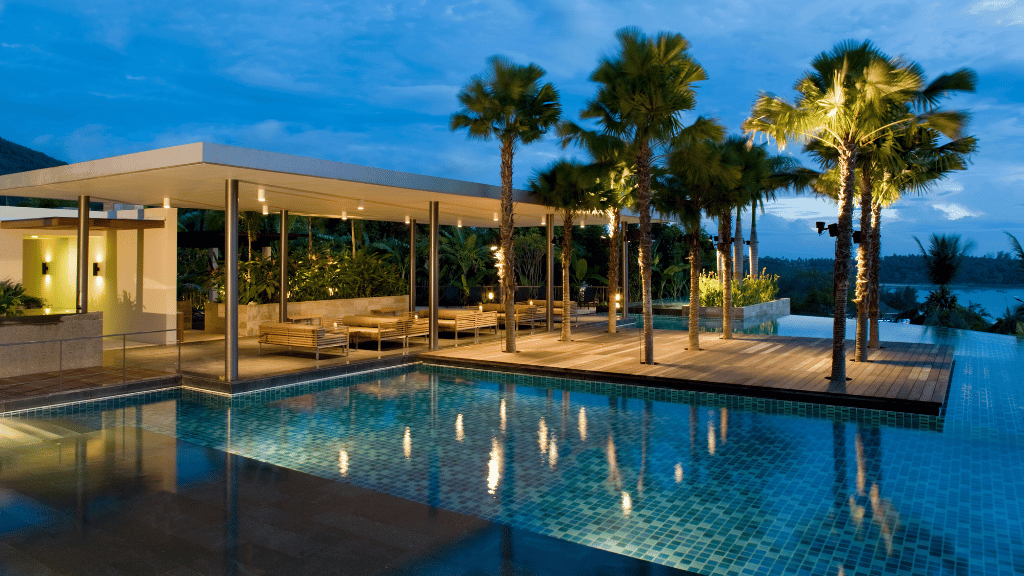
For a group of friends, a private villa is often one of the most practical accommodation choices in Vietnam. The main advantage is simple: everyone can stay under the same roof instead of splitting up between separate hotel rooms.
Most villas offer a shared living area, several bedrooms, a kitchen and often a private swimming pool. This makes them particularly convenient for groups who want to have breakfast together, prepare a meal, relax by the pool or spend the evening chatting without having to leave the property.
A villa can also offer better value for money when the cost is shared. For example, a villa costing around €120–250 per night for six to eight people works out at roughly €15–42 per person per night, depending on the number of guests and the property. For larger groups, this can be more economical than booking several hotel rooms.
Private villas are particularly easy to find in destinations such as Ninh Binh, Hoi An, Da Nang and Phu Quoc. They work especially well when your group plans to stay for several nights and wants some downtime between sightseeing days. The biggest difference compared with a hotel is the shared space. With separate hotel rooms, friends often return to their own rooms after dinner or a day of exploring. In a villa, the living room, terrace or pool naturally becomes a place to gather, making it easier to spend time together even when there is no activity planned.
Hotel
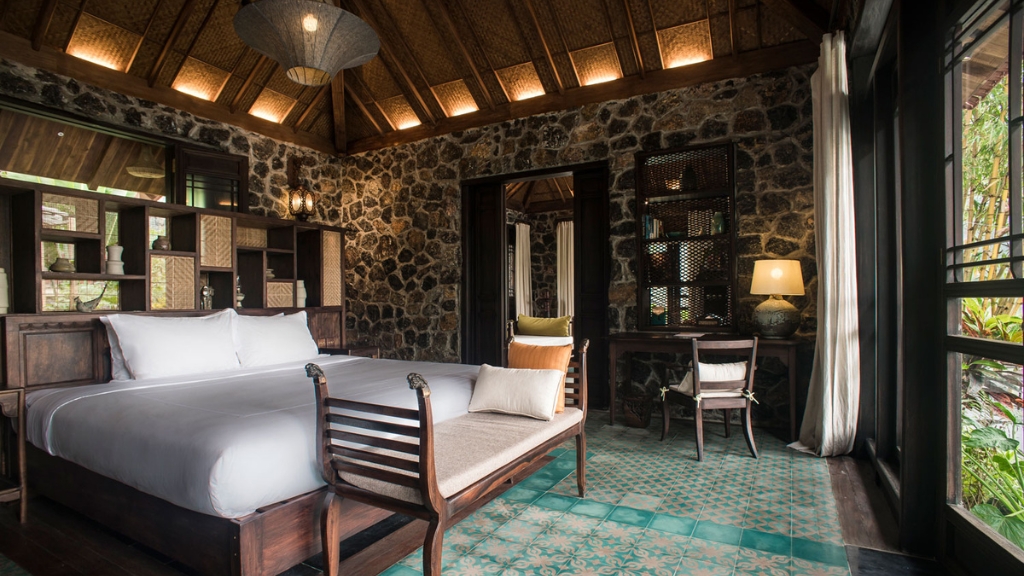
Hotels remain a reliable choice for friends travelling in Vietnam, especially in larger cities such as Hanoi and Ho Chi Minh City. They are often the easiest option to book, with a wide range of rooms available online and no need to coordinate a private rental.
The main advantages are:
- Easy booking: hotels are straightforward to reserve, even for larger groups, and you can usually choose the number and type of rooms you need.
- Consistent comfort: housekeeping, reception services, Wi-Fi and breakfast are commonly available, making the stay simple and hassle-free.
- Central locations: many hotels are located close to restaurants, cafés, markets and nightlife, so your group can easily go out in the evening without relying on private transport.
- Flexible options: you can choose different room categories depending on your budget and preferences.
For a comfortable stay, expect to pay roughly €20–45 per night for a 3-star hotel and €50–100 for a 4-star hotel, depending on the destination, season and room type.
The main drawback for a group of friends is that everyone stays in separate rooms. After a day of sightseeing, the group naturally tends to split up, unlike in a villa where everyone can continue spending time together in a shared living area. For short stays in major cities, however, a hotel is often the simplest and most practical choice, particularly when convenient booking and a central location are priorities.
Ecolodge

An ecolodge is a great choice for friends who want to slow down and enjoy Vietnam’s countryside. Often set among rice fields, mountains or forests, these stays offer a quieter alternative to city hotels.
- Peaceful settings: beautiful views and a relaxing atmosphere.
- Shared spaces: terraces, gardens and dining areas where everyone can gather.
- Outdoor activities: hiking, cycling and visits to nearby villages are often easy to arrange.
- Local atmosphere: a chance to experience rural landscapes and village life more closely.
In Sapa and Mai Chau, ecolodges work particularly well for groups who enjoy nature and outdoor experiences. Prices generally range from €60–150 per night, depending on the location, season and level of comfort. For friends, the best part is often the simple moments together, from sharing a meal overlooking the valley to watching the sunset after a day of exploring.
Resort
A resort is a great choice when your group wants to slow down and enjoy a few relaxing days, especially after a busy sightseeing itinerary.
- Beach access: many resorts are located directly on the coast.
- On-site facilities: swimming pools, spas, restaurants and activities mean you can stay on the property without much planning.
- Easy and comfortable: once you check in, there is very little logistics to organise.
In Nha Trang, Mui Ne and Phu Quoc, resorts are particularly well suited to the relaxing part of a friends’ trip. Prices generally range from around €150–250 per room per night, depending on the location, season and level of comfort. The main limitation is similar to a hotel: friends usually have separate rooms, so the experience offers more individual comfort than shared group time.
Homestay
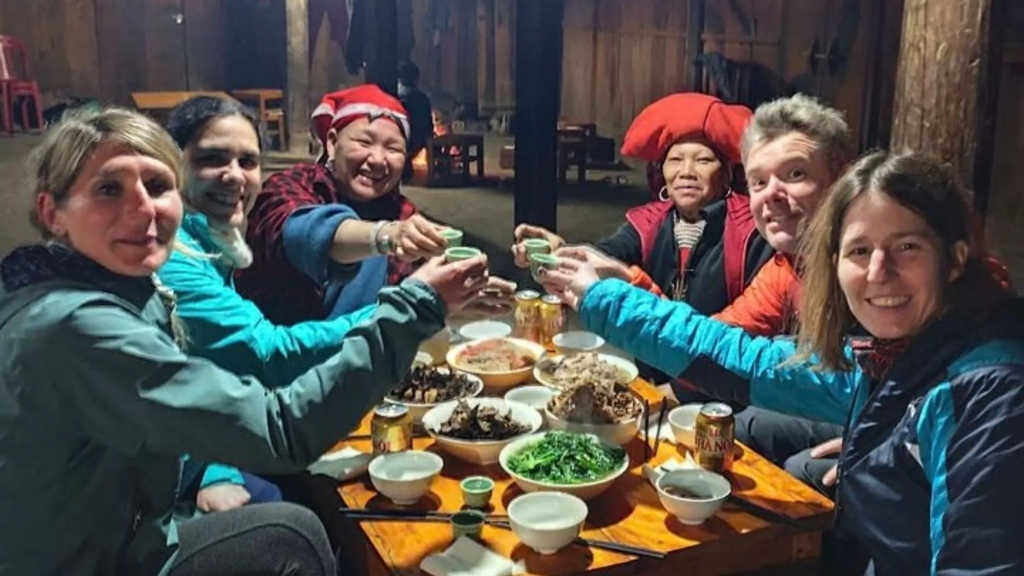
A homestay offers one of the most authentic ways to experience everyday life in Vietnam. Rather than staying in a standard hotel, you stay with a local family and share part of their daily routine.
- Stay with a local family: experience their home and learn more about local traditions.
- Shared meals: enjoy home-cooked dishes and meals together with your hosts.
- Simple atmosphere: a more personal experience than a hotel, although comfort is usually more basic.
Homestays are particularly interesting in Sapa and the Mekong Delta, where they can be part of the experience rather than simply a place to sleep. Prices generally range from around €25–40 per person per night, depending on the location and level of comfort.
For a friends’ trip, one or two nights is usually enough to enjoy the experience before returning to more comfortable accommodation such as a villa, hotel or resort.
What dishes should you try in Vietnam?
Street food and Vietnamese cuisine more broadly are a natural fit for friends traveling together. They offer an authentic way into local culture built around simple, shared moments rather than formal sit-down meals. Eating on the street in Vietnam isn’t just about the food itself. It’s also a way to watch daily life unfold around you and try dishes prepared right in front of you, often for very little money.
Must-try dishes:
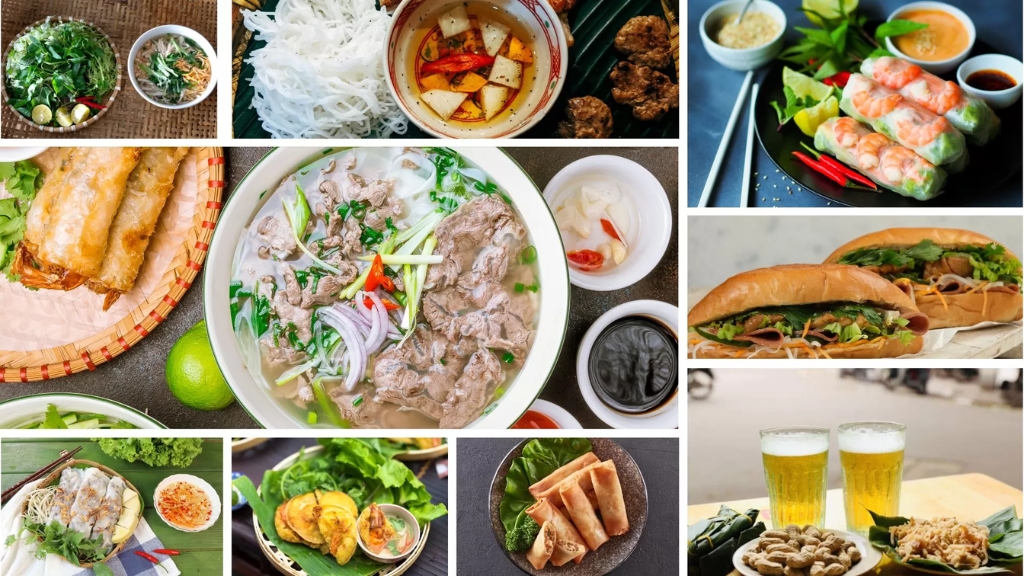
- Pho: Vietnam’s iconic noodle soup, built on a slow-simmered, fragrant broth topped with fresh herbs and thin slices of beef or chicken. Northern-style pho tends to be simpler in seasoning, while southern versions often come with more herbs and bean sprouts on the side.
- Bun cha: grilled pork patties and slices served with rice vermicelli, fresh herbs and a sweet, tangy nuoc mam dipping sauce. This is a Hanoi specialty best eaten around lunchtime, when it’s traditionally served.
- Banh mi: a crusty baguette sandwich, a legacy of French colonial influence, filled with a mix of meats, pâté, pickled vegetables and fresh herbs. It’s compact, cheap and perfect for eating on the move between sightseeing stops.
- Com tam: broken rice served with grilled pork chop, a fried egg and other toppings. A typical southern dish, especially common in Ho Chi Minh City.
- Lau: a Vietnamese hot pot, meant to be shared at the center of the table. It’s an ideal group meal, since everyone cooks their own ingredients in the shared simmering broth and can chat while doing it.
- Cao lau: a Hoi An specialty made with thick noodles, pork and greens, using water traditionally sourced from a specific well in the town, which locals say gives the dish its distinct texture.
- Mi Quang: a turmeric-colored noodle dish from central Vietnam, served with a small amount of rich broth rather than a full soup, topped with shrimp, pork and crushed peanuts.
- Banh xeo: a crispy, turmeric-tinted rice pancake filled with pork, shrimp and bean sprouts, usually wrapped in lettuce and herbs before eating.
- Vietnamese coffee: ca phe sua da, iced coffee with sweetened condensed milk, or ca phe trung, egg coffee, a Hanoi specialty with a rich, custard-like foam. Either makes for a perfect café break between activities.
- Bia hoi: fresh, unpasteurized local draft beer, brewed daily and sold cheaply, best enjoyed in a lively evening setting on the street.
Tips for making the most of it
- Check recent reviews on Google Maps or TripAdvisor before committing to a spot, since quality can vary a lot even between stalls right next to each other.
- Follow the places where locals are actually eating rather than the ones with English menus and photos out front, since that’s usually a better sign of quality.
- Book ahead at popular restaurants, particularly in cities like Hoi An and Hanoi, to avoid long waits.
- Avoid the busiest meal hours if your group wants a more relaxed setting with faster service.
- Order several dishes to share across the table rather than one dish per person, so everyone gets to try more of the menu.
- Carry cash, since many small stalls and street vendors don’t accept cards.
- If anyone in the group has dietary restrictions, learn a few key phrases in Vietnamese ahead of time, since not every street vendor will have an English-speaking staff member.
Should you travel independently or use a local travel agency in Vietnam?
Whether to plan everything independently or book through a local agency mostly comes down to group size, how much time everyone has to prepare and the level of comfort the group wants. For a group trip specifically, going through a local agency brings some real, practical advantages worth weighing seriously.
Advantages of booking with a local agency
- Simplified organization: the agency handles coordinating transport, accommodation and activities, saving the group from spending hours comparing and booking each element separately.
- Better group management: once you’re dealing with several people, finding nearby rooms, arranging transport for everyone at once and syncing activity schedules gets complicated fast. An agency centralizes all of that into one plan.
- Time saved before departure: no long research sessions across dozens of tabs. Instead you get a coherent, already-optimized itinerary handed to you.
- On-the-ground support: if something unexpected happens, a flight delay, a health issue, or bad weather disrupting a planned activity, there’s a responsive local contact to help sort it out.
- Trusted providers: a local agency already has relationships with reliable hotels, guides and drivers, which cuts down on the risk of unpleasant surprises.
- Group rates: thanks to their network, agencies can often negotiate better pricing than individual travelers could get on their own, particularly for accommodation and excursions.
- Transparent pricing: services are laid out clearly in advance, so the group knows exactly what’s included and can avoid hidden fees popping up later.
- More comfort on certain legs: having a private driver or guide available is particularly useful in less accessible regions like the mountainous north.
- Smoother experiences overall: activities like cruises, treks, or cultural visits tend to run more smoothly when they’re properly guided rather than pieced together independently.
When it’s particularly worth considering
- When the group is large enough that logistics become genuinely hard to manage alone.
- When there isn’t much time to prepare before departure.
- When the group wants a structured trip without spending time on logistics once they’re actually there.
- When certain legs of the trip require precise planning, such as remote regions or routes involving multiple transfers.
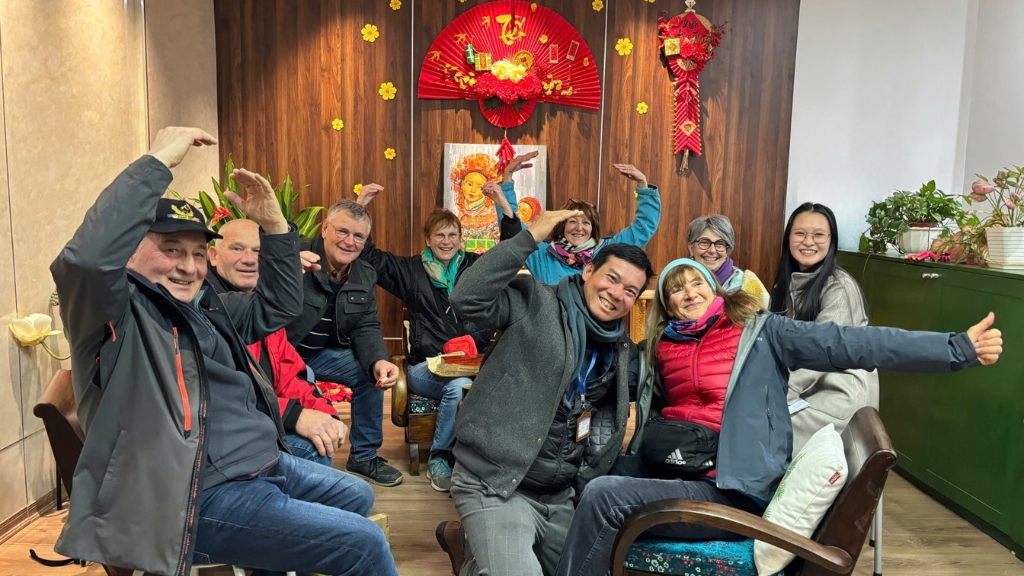
Booking through an agency doesn’t mean giving up freedom. It’s entirely possible to build a tailor-made itinerary with plenty of open, unstructured time while still benefiting from a secure framework and reliable organization behind the scenes. For many groups this ends up being the most balanced way to enjoy the trip without unnecessary stress.
The biggest advantage for a group of friends is often somewhat indirect. It removes the usual friction that comes with self-organized trips, arguments over who forgot to book what, disagreements over who’s fronting money for shared costs and lets everyone focus on the actual experience rather than the logistics behind it.
How should you plan a trip to Vietnam with friends?
A few simple habits, the kind a local guide would naturally suggest, go a long way toward making the whole trip run smoothly for a group.
Paperwork and safety
- Apply for your e-visa at least a week before departure and double-check your entry and exit dates carefully, since mismatches can cause problems at the border.
- Get travel insurance that specifically covers the activities you’re planning, such as scooter riding or trekking, since standard policies sometimes exclude these.
- Keep a digital copy of your passport saved on your phone along with a paper copy stored separately in your bag, in case the original goes missing.
- Register your trip with your home country’s embassy or consulate if that service is available, particularly useful for larger groups traveling to remote areas.
Getting around day to day
- Use Grab for trips within cities. It’s generally more reliable and transparent on pricing than flagging down a regular taxi.
- For longer distances, favor flights or night trains to save time rather than pushing through a full day on a bus.
- Cross the street calmly and at a steady pace rather than stopping and starting. Motorbikes are used to weaving around pedestrians who move predictably.
- Keep valuables out of sight in bigger cities, particularly phones near the roadside, since bag or phone snatching from passing scooters does happen occasionally.
Money and payments
- Withdraw cash soon after arrival, since many smaller businesses and street vendors don’t accept cards at all.
- Split cash across several people in the group rather than one person carrying everything, to limit losses if a wallet or bag goes missing.
- Double-check prices before ordering in heavily touristy areas, where menus sometimes don’t list prices clearly for foreign visitors.
- Consider using a shared expense tracking app for the group, so nobody has to remember who paid for what days later.
Keeping the group on the same page
- Agree on an overall daily budget early in the planning process to avoid awkward misunderstandings once you’re on the trip.
- Designate one person to handle major bookings like flights and accommodation, so responsibility doesn’t get lost between everyone.
- Leave genuine free time in the schedule so people can peel off and do their own thing without feeling like they’re missing out on the group plan.
- Don’t overload the days, particularly given the heat and the amount of time spent moving between locations.
- Set up a shared group chat specifically for the trip, separate from your usual friend group chat, to keep logistics organized and easy to find later.
A local guide’s practical tips
- Get up early to visit popular sites before both the crowds and the midday heat arrive.
- Pack lightweight but modest clothing for visiting temples and pagodas, since shoulders and knees typically need to be covered.
- Always carry water with you and take regular breaks, especially during the hotter months from May through August.
- Look for street food stalls that already have a small crowd of locals eating there, since that’s usually a reliable sign of quality.
- When in doubt about something, ask at the hotel front desk or check with a local guide rather than guessing, particularly around transport schedules or which areas are safe to walk at night.
- Bring a portable phone charger, since a full day of navigation, photos and translation apps can drain a phone battery quickly.
- Consider getting a local SIM card or eSIM on arrival, which is inexpensive and makes navigation, ride-hailing apps and staying in touch with the group much easier throughout the trip.
Planning a trip to Vietnam with friends is ultimately about finding the right balance between shared experiences, comfort and a manageable pace. From choosing the right accommodation and transport to deciding where to go and how much to spend, a little planning can make the whole journey smoother. If you would rather enjoy the trip without handling every detail yourself, a local travel agency can take care of the logistics and create a flexible itinerary around your group’s interests, budget and travel dates.
Ready to start planning? Get in touch with our local team for a free, personalised itinerary and quote for your trip to Vietnam with friends.
Let us help you plan an unforgettable trip!




 Google
 Facebook
 Tripadvisor
 Trustindex


