


Ha Giang is famous for its dramatic mountain passes, limestone landscapes and the Dong Van Karst Plateau. Yet beyond these iconic sights, the province is home to many authentic villages where traditional culture and local life remain deeply rooted.
Home to Hmong, Lo Lo, Tay, Dao, Giay and La Chi communities, these villages offer opportunities to discover traditional houses, local crafts, customs and everyday life away from the main tourist routes. Explore 10 beautiful villages in Ha Giang, from well-known cultural destinations to peaceful, off-the-beaten-path communities, each offering a unique glimpse into northern Vietnam.
Table of Contents
Explore the villages in Ha Giang and meet local communities
Beyond the famous mountain passes and dramatic landscapes, the villages in Ha Giang offer a closer look at the people and traditions that shape this northern region. From Hmong and Lo Lo communities to Tay, Dao and Giay villages, each place has its own way of life, traditional houses and local customs. Visiting these villages is a chance to slow down, meet local people and discover a more everyday side of Ha Giang.
Lo Lo Chai village: the crown jewel of Ha Giang
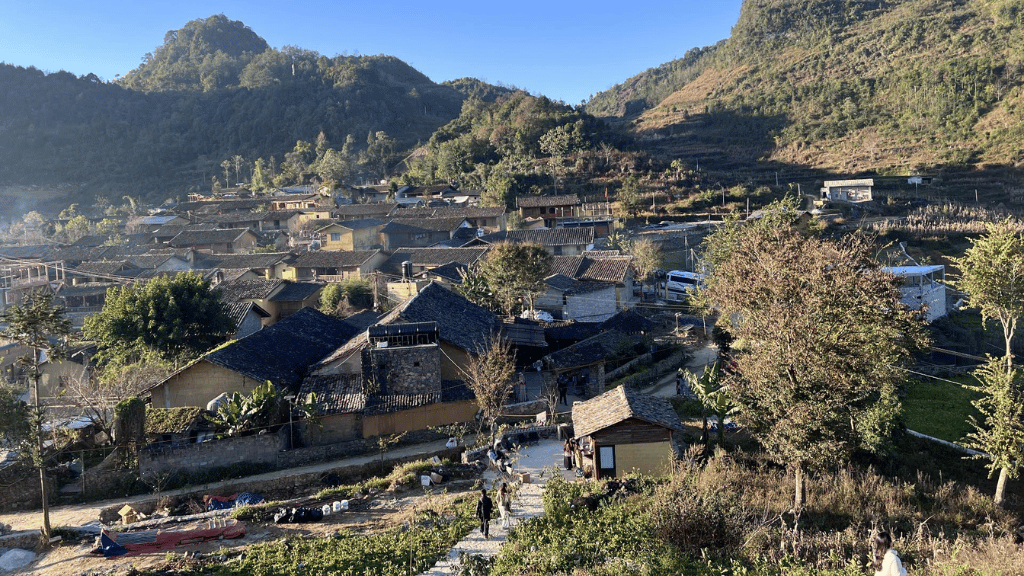
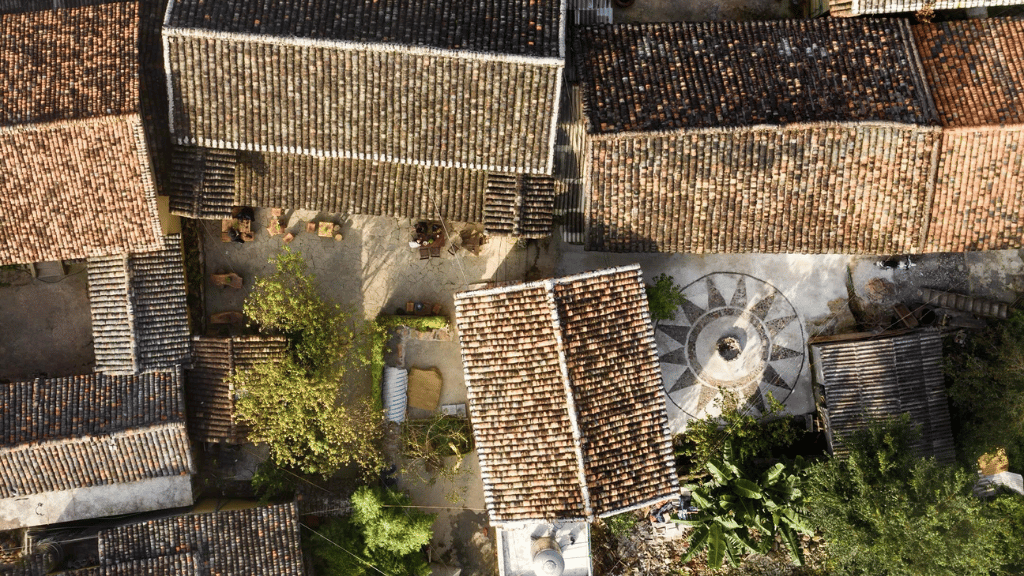
Sitting right at the foot of the Lung Cu flag tower, Vietnam’s northernmost point, Lo Lo Chai village is the single most celebrated village in the province, having even been named one of the world’s best tourism villages. It remains one of the last strongholds of the Lo Lo ethnic minority, a small community found almost nowhere else in the country. The village is built from thick walled earthen houses topped with yin yang tile roofs, packed closely together along narrow lanes. Life here still revolves around brocade embroidery, traditional festivals and dance and the village has become known for its warm homestays and its self proclaimed “northernmost cafe in Vietnam.” Despite the recognition, it has kept its slow, unhurried pace. Visit in spring for blooming peach blossoms or in autumn when the surrounding buckwheat fields turn shades of pink.
Du Gia village: the traveler favorite
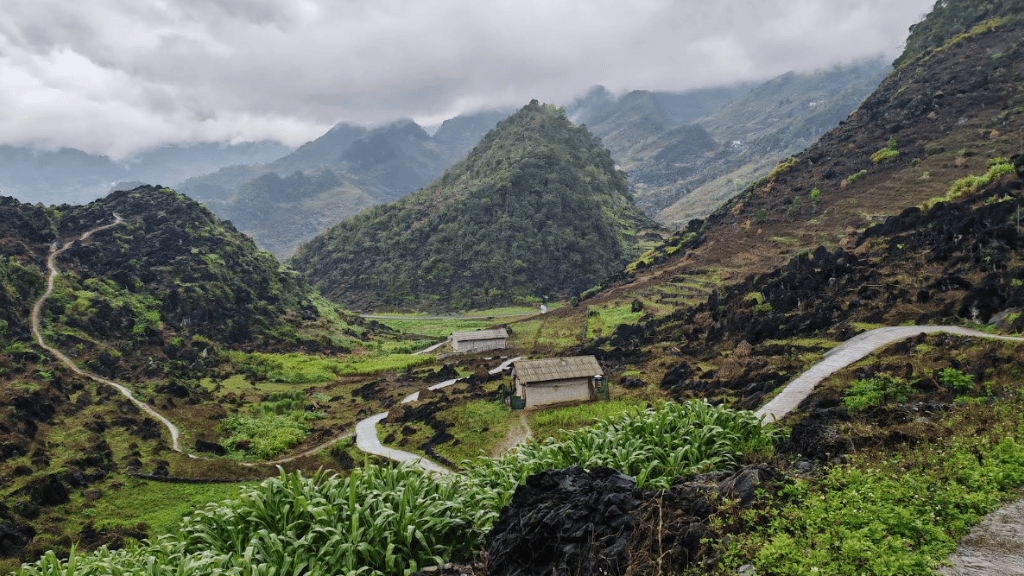
Tucked into a lush valley in Yen Minh district, Du Gia village is where many travelers finally exhale and it is consistently one of the most beloved stops in Ha Giang. Home to a mix of Tay, Hmong and Dao families, the village is surrounded by terraced rice fields and a lively weekly market and its nearby waterfall, complete with a natural swimming pool, is the perfect reward after a day on the road. Stilt houses built from dark timber sit scattered among trees and streams and homestays here have multiplied in recent years, all offering views over the paddies. Du Gia village rewards travelers who linger: stay a night, join a family for dinner and take a slow walk through the valley.
Nam Dam village: a model of community tourism
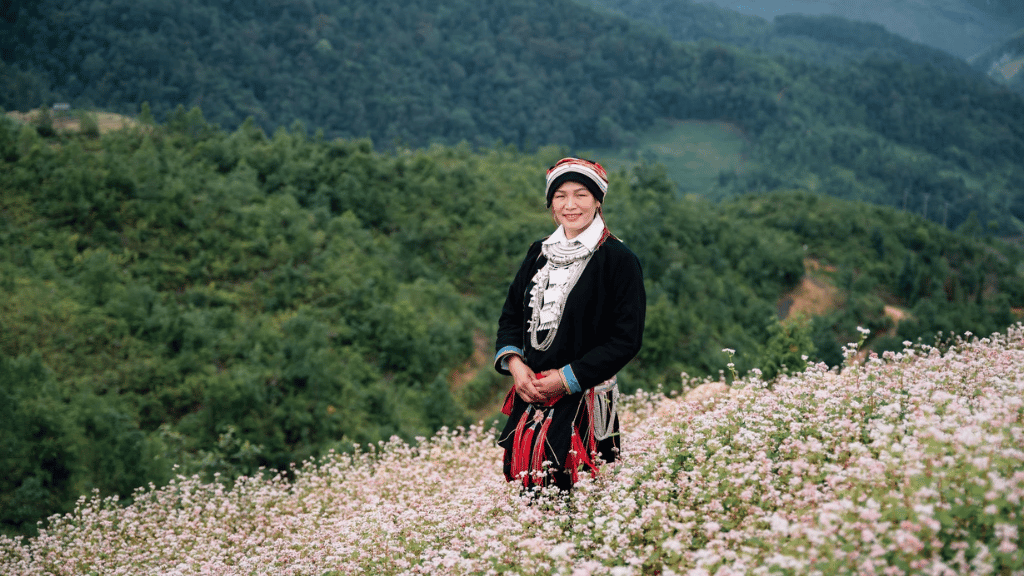
Near the Quan Ba Heaven Gate Pass and the famous Twin Mountains, Nam Dam village is a Dao Chan community that has become something of a model for responsible, community based tourism, having won regional recognition for its hospitality. Guests stay in earthen houses with yin yang tile roofs, wander through medicinal herb gardens and relax in a traditional Dao herbal bath, a wellness ritual worth experiencing at least once. Ceremonies such as the Cap Sac initiation rite and various harvest festivals bring music and color to the village early in the year and its embroidery and silver jewelry crafts remain very much alive.
Pa Vi village: beautifully designed and welcoming
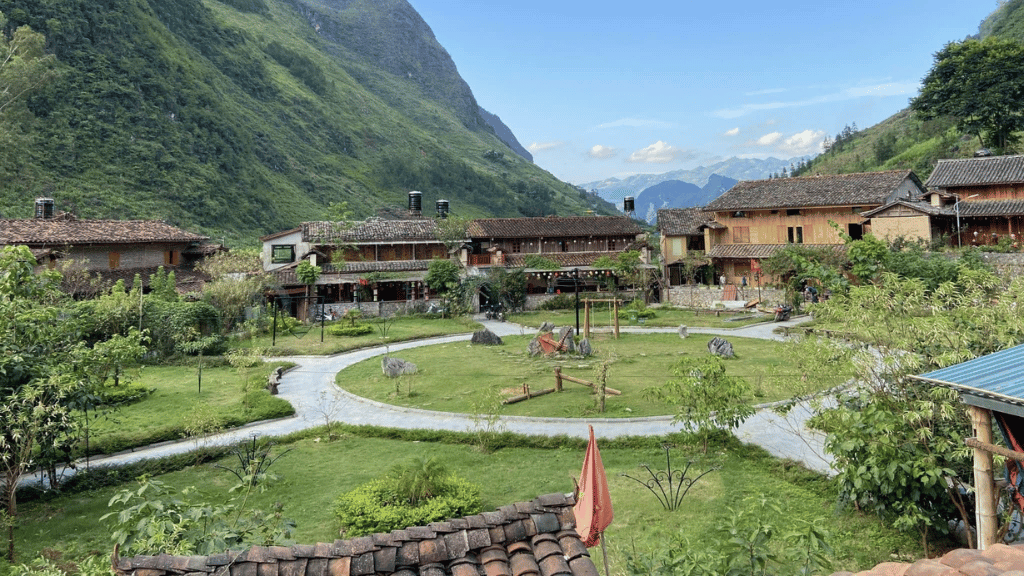
Near Meo Vac and right at the foot of the spectacular Ma Pi Leng pass, the cultural village of Pa Vi was purpose built in traditional Hmong style and it shows: its layout, seen from above, forms the shape of a five petal peach blossom, also read locally as a buffalo horn, a symbol of the Hmong people. Earthen houses ringed by stone walls, numerous homestays and a genuinely welcoming atmosphere make it one of the most comfortable and photogenic bases in the region and it is also the ideal starting point for descending toward the Nho Que River and the dramatic Tu San Canyon.
Lung Tam village: a living craft village
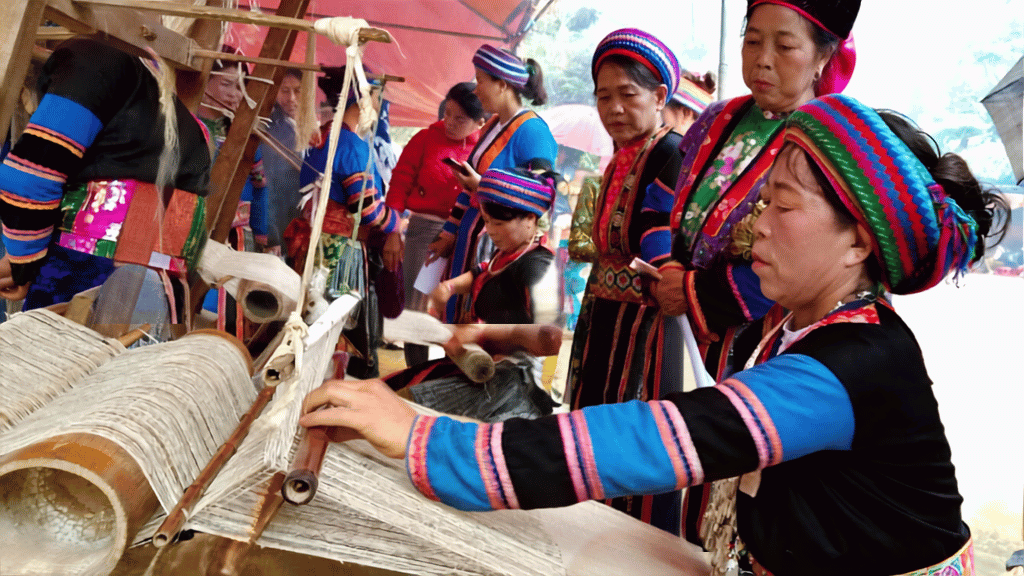
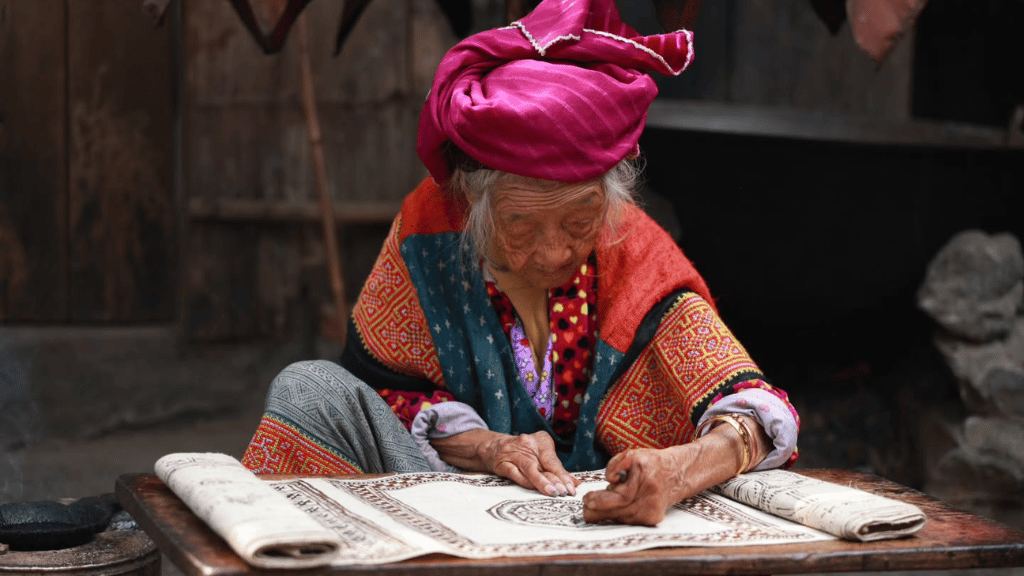
In Quan Ba district, the Hmong village of Lung Tam is internationally known for its linen weaving and draws steady interest from culturally curious travelers. At the local cooperative, set up specifically to preserve the craft, visitors can follow every step of the process, from growing hemp and hand spinning the fiber to weaving on traditional looms, dyeing with natural indigo and finishing the cloth with beeswax batik decoration. The resulting textiles, sturdy and finely patterned, are now exported as far as Europe, offering a rare chance to see a living heritage craft from raw fiber to finished fabric.
Xa Phin village: quietly beautiful and increasingly discovered
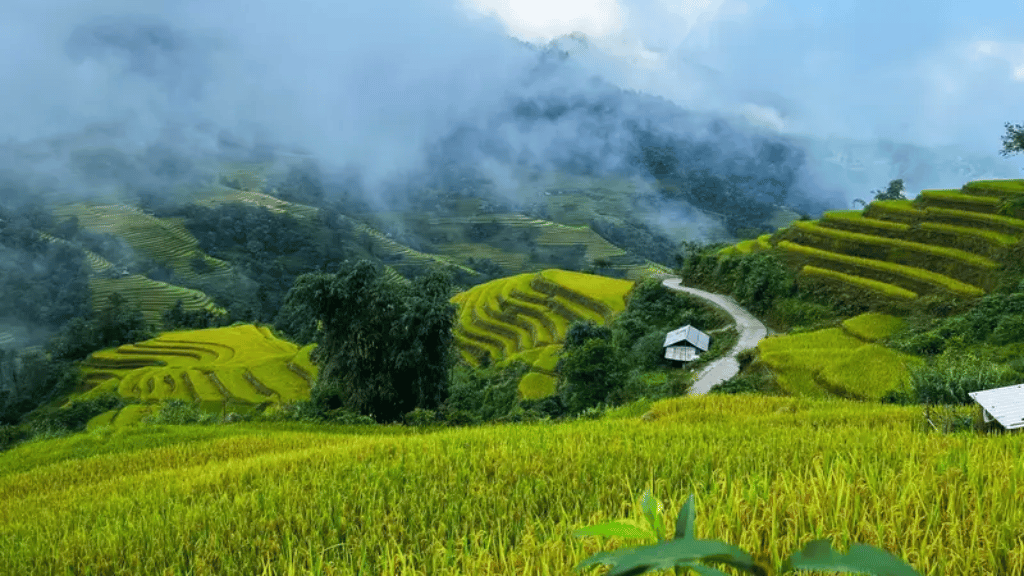
Perched above 1,000 meters near the Tay Con Linh mountain range, Xa Phin village is a Dao hamlet known for houses with thick, moss covered roofs, a striking sight born from the area’s cool, humid climate. The surrounding terraced fields turn a brilliant gold at harvest time and become mirror-like when flooded ahead of the planting season. Xa Phin village is also home to centuries old Shan Tuyet tea trees growing wild among the forest, producing a delicately fragrant tea that has become an important source of income for local families. It is a place for slow mornings spent walking between terraces wrapped in mist, still peaceful but gaining more visitors each year.
Lao Xa village: authentic and still off the radar
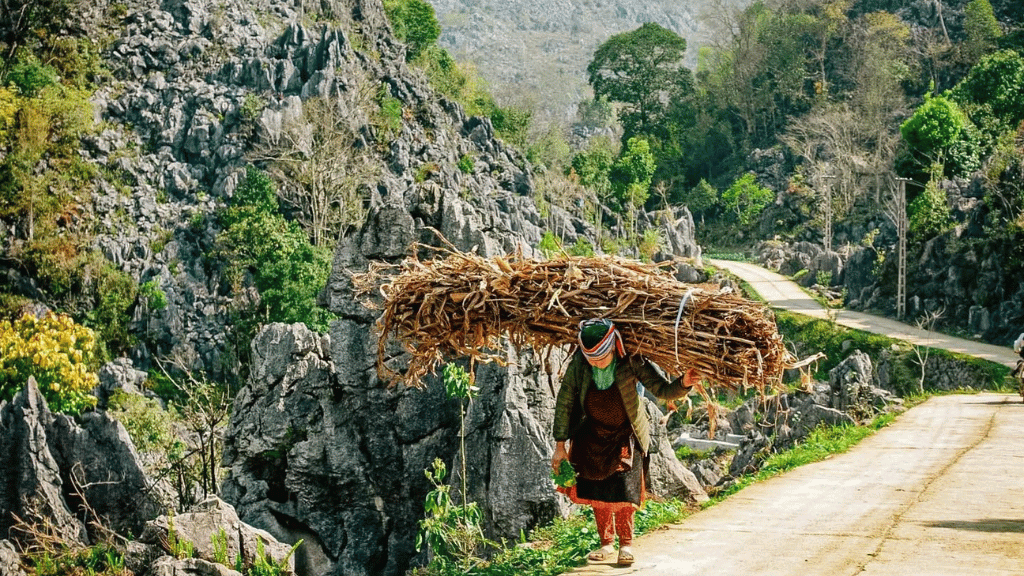
Hidden in the Sung La valley near Dong Van, Lao Xa village feels like something out of a folk tale, with earth and stone houses clinging to the hillside among plum, pear and peach trees. What sets it apart is its silverwork: a handful of Hmong families still hand forge jewelry and ornaments using techniques passed down through generations. Wander its quiet lanes and you are likely to see artisans bent over their workbenches, hammering silver into intricate designs, while children play barefoot in the yards. It remains far less visited than nearby highlights, which only adds to its charm. Spring, when peach and pear blossoms frame the stone walled houses, is the most photogenic time to visit.
Ma Le village: untouched by tourism
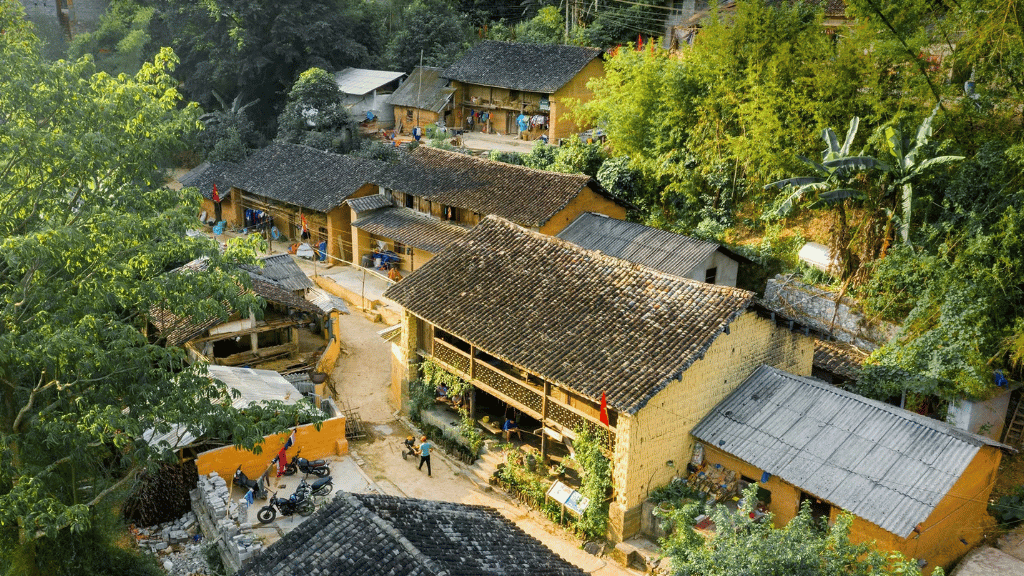
On the route linking Dong Van and the Lung Cu flag tower, Ma Le village is easy to drive past and that would be a mistake. The village belongs mainly to the Giay ethnic group and its houses, some more than a century old, rest on stone foundations with sturdy wooden frames, encircled by dry stone walls built without mortar yet remarkably solid, a hallmark of karst plateau architecture. Surrounded by maize and buckwheat fields, Ma Le village keeps a traditional rhythm of life with almost no visible influence of tourism. It is also a wonderful spot to watch the sunrise, when morning mist rolls through the valley below.
Thien Huong village: a quiet detour frozen in time
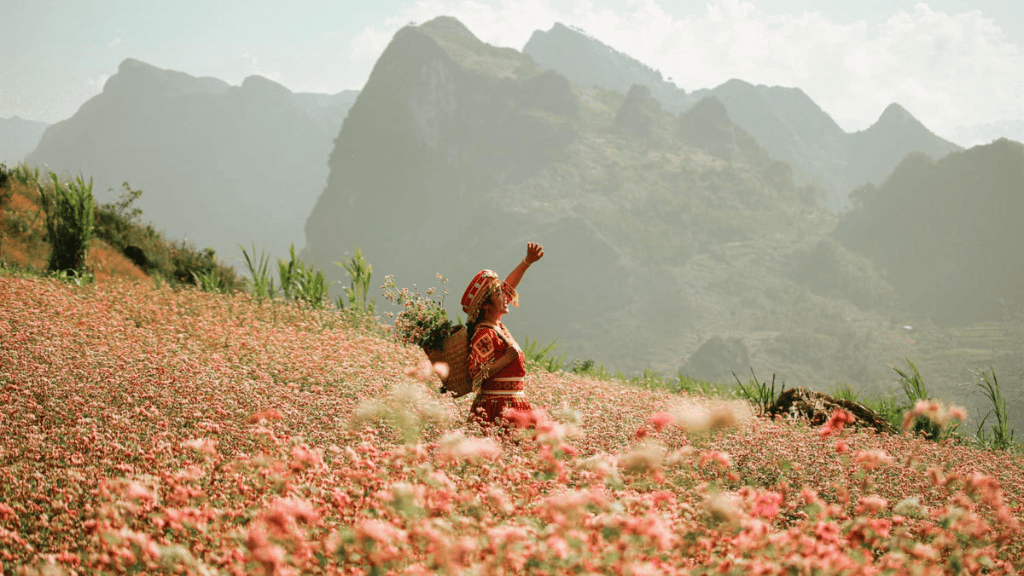
A short drive from the old town of Dong Van, Thien Huong village lines up century old wooden houses with tiled roofs around ancient banyan trees and old communal wells. The village is mostly home to Tay families, with a few Nung and Giay households and daily life here, from cooking to festival dress to evening gatherings, has changed little over time. It sees far fewer visitors than the busier stops nearby and surrounded by peach and plum orchards, Thien Huong village is especially poetic in spring.
Ban Phung village: the most remote and least discovered
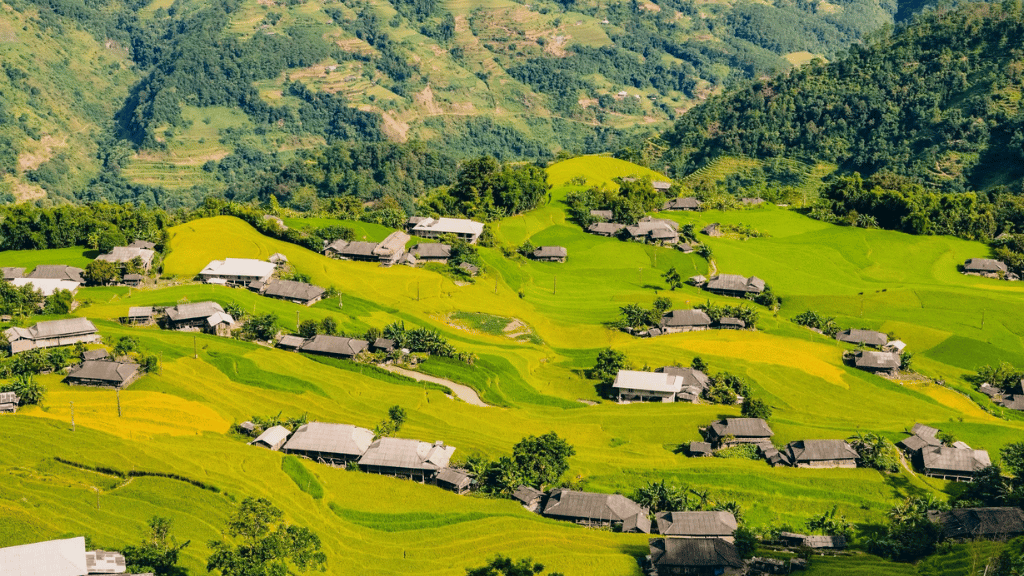
Down in Hoang Su Phi district, Ban Phung village showcases some of the most spectacular terraced rice fields in Vietnam, officially recognized as national heritage and carved into the hillsides over centuries by the La Chi ethnic group. Perched at altitude and reached only after a longer, more demanding journey, it remains the least visited village on this list. The village offers dramatic views whether you visit during the flooded “water season” in spring or during the golden harvest of September and October and it is one of the best places to learn about La Chi culture, a community far less known than its Hmong or Dao neighbors.
Best time to visit Ha Giang’s villages
Ha Giang’s villages are worth visiting at different times of the year, but the scenery and local activities change with the seasons. Choosing when to go depends on whether you want to see flowers, green rice fields, golden terraces or simply enjoy the villages in quieter conditions.
- Late February to March – peach and plum blossom season: The hills around villages such as Lao Xa and Thien Huong are dotted with peach and plum blossoms. The weather can still be cool, especially in the early morning and evening, so bring warm layers. This period is particularly pleasant for walking through the villages and taking photos of traditional houses surrounded by spring flowers.
- April to May – green rice fields and good trekking conditions: Rice terraces begin to turn bright green, while temperatures are generally comfortable for walking and exploring. With less rain than later in the summer, this is a good time for travelers who want to combine village visits with short hikes. The landscapes are especially beautiful in the morning when the valleys are often covered in soft mist.
- June to August – quieter villages and lush mountain landscapes: Summer brings frequent rain, especially in the mountains, but it also makes the valleys and rice fields exceptionally green. Roads and mountain passes can become slippery after heavy showers, so allow some flexibility in your itinerary. If you do not mind occasional rain, this season can be a good choice for travelers looking for fewer visitors and greener scenery.
- September to November – golden rice terraces: This is one of the most popular periods to visit Ha Giang. Rice terraces turn golden before the harvest, creating some of the region’s most impressive landscapes, particularly around areas such as Xa Phin and Du Gia. Book accommodation and transport in advance if you travel during this period, especially around weekends and public holidays.
- December to February – cool weather and buckwheat flowers: Winter can be surprisingly cold on the Dong Van Plateau, with temperatures dropping sharply at night and early in the morning. However, the cooler weather brings a quieter atmosphere, while buckwheat flowers add shades of pink and purple to the hillsides. Pack warm clothes and plan your village walks for the warmer part of the day.
Practical tips for visiting the villages in Ha Giang
A visit to the villages in Ha Giang is more rewarding when travelers take the time to understand local customs and adapt to the rhythm of mountain life. These practical tips can help make the journey more comfortable while creating more meaningful encounters with local communities.
How to get around the villages
There are two main ways to explore the villages in Ha Giang: by motorbike or by private car. Motorbike is a good choice for experienced riders who want more freedom to stop along the way and enjoy the mountain scenery. For families, groups or travelers who prefer a more comfortable journey, a private car with a local driver is a convenient option.
Ha Giang’s mountain roads can be narrow, steep and winding, with sharp bends and limited visibility. Drive carefully and keep a steady pace, especially after rain. Allow enough time for the journey rather than trying to cover too many villages in one day. Some of the best moments often come from stopping at a small village, walking around and taking in the scenery along the way.
Where to stay
Ha Giang offers several types of accommodation, from local homestays and traditional houses to hotels and eco-lodges. The right choice depends on the kind of experience you are looking for. For a closer connection with local life, staying in a village homestay is a good option. It allows travelers to share meals with a local family, learn about their traditions and explore the village on foot. For more comfort and privacy, hotels in Ha Giang are available in and around the main towns, while eco-lodges can be found in some scenic areas. Eco-lodges can be a good choice for travelers who want comfortable facilities while staying close to nature.
When traveling between September and November, or during weekends and public holidays, booking accommodation in advance is recommended. For a more peaceful stay, consider spending the night in a less-visited village rather than choosing accommodation only in the main tourist areas.
What to bring
The weather in Ha Giang’s mountains can change quickly, especially at higher elevations. Pack a few layers so you can adjust easily throughout the day. A light jacket is useful for cool mornings and evenings, even when traveling in warmer months. From June to August, a rain jacket or poncho is worth carrying as showers can come suddenly.
It is also a good idea to keep some cash with you when visiting the villages. ATMs are mainly found in larger towns such as Ha Giang, Dong Van and Meo Vac, while smaller villages may have no ATM at all. Local markets, small restaurants, homestays and shops often prefer cash, so withdrawing money before heading into more remote areas will make the journey easier.
Respect local life and traditions
The villages are first and foremost places where people live and work. A few simple gestures can help visitors show respect:
- Remove shoes before entering a home when requested by the hosts.
- Dress appropriately when visiting homes, religious sites or community spaces.
- Avoid bargaining too aggressively, especially when buying directly from local artisans.
FAQs
1. Which village in Ha Giang is the most beautiful and authentic?
Thien Huong Village is one of the best choices for an authentic experience in Ha Giang. Located near Dong Van, it remains relatively quiet and offers a closer look at traditional village life, local houses and the surrounding mountain landscape
2. Can I visit Ha Giang’s villages without a tour or guide?
Yes, and many travelers choose to self-drive the Ha Giang Loop by motorbike. That said, the mountain roads are narrow, steep, and sometimes foggy, so less experienced riders often prefer hiring a local “easy rider” driver or joining a small group tour for both safety and cultural context
3. Do people in these villages speak English?
Rarely, especially outside the more visited spots like Lo Lo Chai Village or Pa Vi Village. A translation app or simple gestures usually go a long way, and this language gap is actually part of what keeps many of these villages so refreshingly untouched
4. How many villages are worth including in a Ha Giang itinerary?
Three to five villages is a realistic and rewarding number for most trips. Trying to squeeze in all ten often means rushing through each one, when the real value of a Ha Giang village lies in slowing down enough to actually talk with a local family or watch daily life unfold
5. What does each ethnic group’s village typically look like?
Hmong villages tend to favor packed-earth houses with yin yang tile roofs and stone-walled compounds, Dao villages are often recognizable by moss-covered or thatched roofs tucked into misty highlands, Tay and Giay villages usually feature wooden stilt houses or tiled cottages around ancient trees and La Chi villages are built into dramatic, hand-carved terraced hillsides
Ha Giang is best discovered at a slower pace. Beyond the famous mountain passes and viewpoints, its villages offer the chance to meet local communities, discover traditional ways of life and enjoy the quieter side of the region. From well-known villages to lesser-visited communities, each place has its own character. The key is to leave enough time to stop, share a cup of tea and enjoy the journey rather than rushing from one destination to another.
Ready to discover the villages in Ha Giang? Let us help you plan a tailor-made journey that combines the places you want to see with authentic local experiences at your own pace.

Let us help you plan an unforgettable trip!




 Google
 Facebook
 Tripadvisor
 Trustindex


