


In Vietnamese cuisine, coffee has grown into something far more personal than just a drink, it’s practically a companion. That bold, awakening bitterness on the tongue, the delicate aroma drifting up from the cup, the subtle scent that lingers in the air… it’s easy to see why so many people fall completely under its spell. Join Hanoi Voyages as we dive into Vietnam’s rich coffee culture!
For the Vietnamese, coffee has become a genuine daily pleasure. Whether at work, during business meetings, or while catching up with friends and family, coffee sits right at the center of everyday life. But how many people truly understand Vietnamese coffee culture and how did it come to take root here? Let’s find out.
Table of Contents
How coffee first arrived and took root in Vietnam
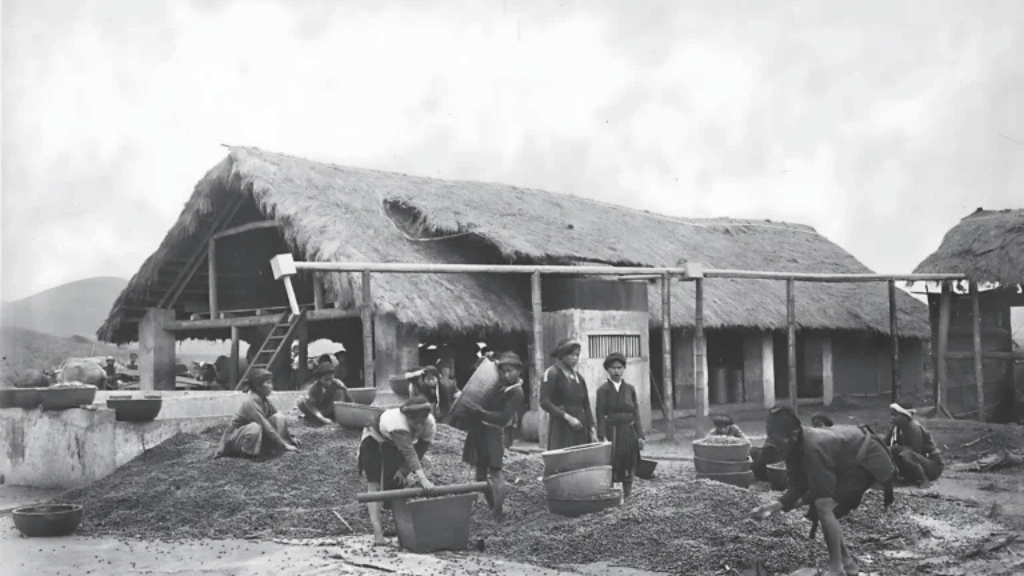
Coffee originally hails from the West and it made its way to Vietnam alongside the French during the colonial era. The first coffee trees are generally traced back to 1857, brought over by a French missionary, Father Alexandre Vallet, who tried planting them in northern provinces such as Ha Nam and Quang Tri. The climate there turned out to be a poor match and those early plantations never really took off.
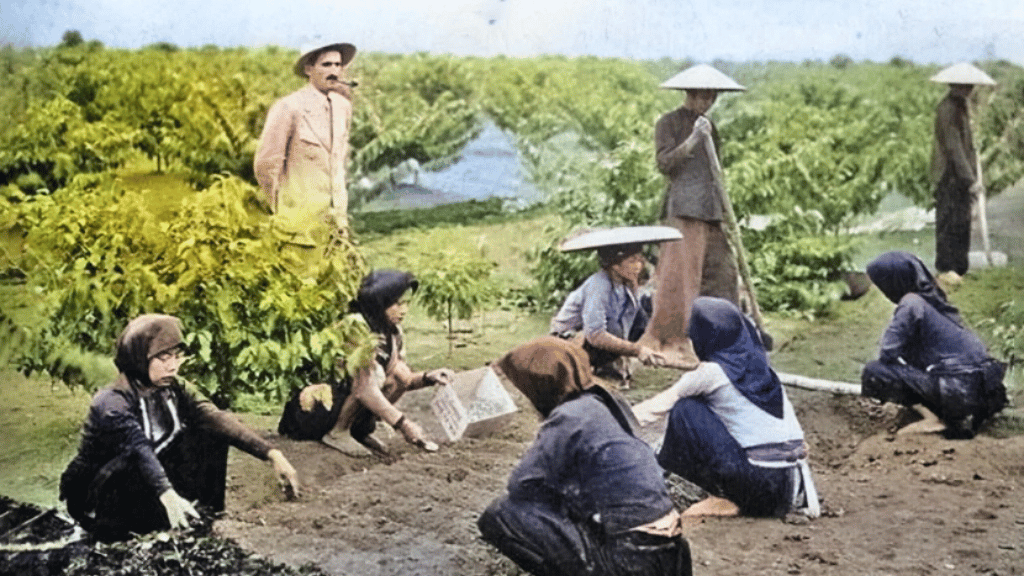
The turning point came in 1875, when coffee was planted for the first time in Buon Ma Thuot, in what is now Dak Lak province. The red basalt soil and highland climate of the Central Highlands proved ideal and coffee trees flourished there in a way they never had further north. It’s this region, more than any other, that shaped the bold, earthy character now associated with Vietnamese coffee.
At first, the drink was reserved for the elite, French officials and urban intellectuals, before gradually winning over ordinary people and becoming a fixture of everyday life across the country.
What makes Vietnamese coffee culture so distinctive isn’t just the exceptional quality of what’s grown here, but the way it mirrors something deeply Vietnamese in character. Two varieties dominate the country’s coffee farms, Arabica and Robusta, each recognized both locally and internationally for its own yield, quality and flavor profile. Robusta in particular, introduced from Indonesia in 1908, would go on to define Vietnamese coffee on the world stage.
In the early twentieth century, French planters established a number of large coffee estates across the Central Highlands, the Ea Tam plantation, in what is now Krong Nang district, Dak Lak province, being one of the most notable, stretching across roughly 10,000 hectares at its peak. Robusta quickly became the region’s dominant variety, thanks to how well it adapted to the local soil and climate.
The industry’s momentum didn’t last uninterrupted. In the years following the war, Vietnam’s coffee sector struggled with damaged infrastructure and a shortage of investment capital and production slowed considerably. Real recovery only began after 1986, when Vietnam’s Doi Moi economic reforms opened the country to trade and investment. From that point on, the coffee industry rebounded quickly and Vietnam went on to become one of the world’s leading coffee exporters, a position it still holds today.
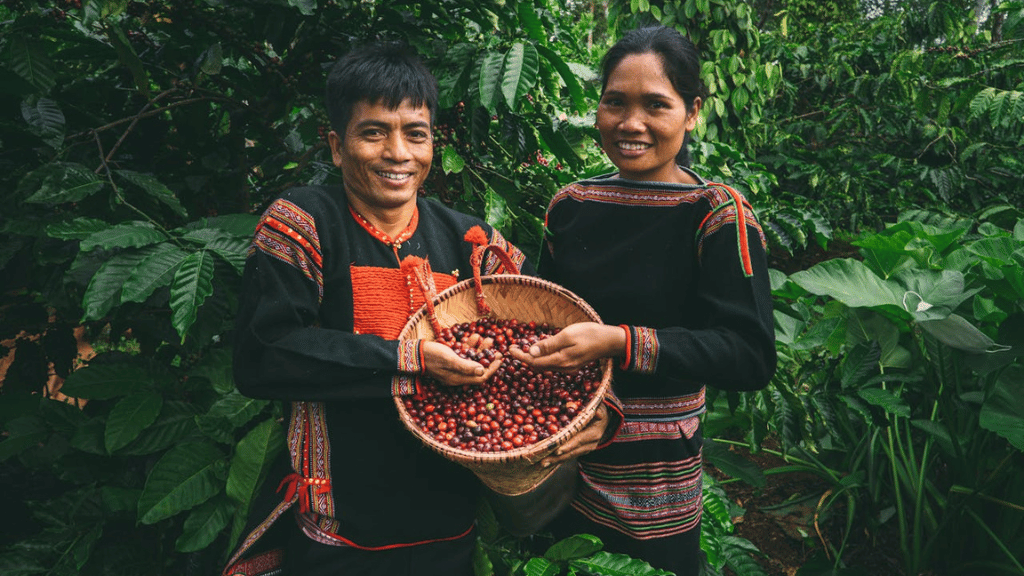
How Vietnamese cafés reflect local life and culture
For many visitors, discovering Vietnam starts with its landscapes, street food and bustling markets. But to understand the country on a more everyday level, sit down at a local café and order a coffee. In Vietnam, coffee is much more than a drink. It is part of the daily rhythm, a social habit and, in many places, a small ritual that locals rarely feel the need to rush.
Coffee as part of everyday Vietnamese life
Walk through Hanoi in the morning and you will quickly notice how deeply coffee is woven into local life. A tiny street-side café may already be filled with people before the day has properly begun. Some read the newspaper, others check their phones, chat with friends or colleagues, or simply sit quietly and watch the street go by.
Unlike a coffee culture built mainly around convenience and takeaway drinks, Vietnamese coffee is often about staying for a while. A cup gives people an excuse to pause, meet someone, have a conversation or enjoy a few quiet minutes alone.
For travelers, this is one of the simplest ways to experience Vietnam like a local. Instead of looking for a famous attraction, find a small café, sit on a low plastic stool or at a pavement table, order a traditional coffee and watch everyday life unfold around you.
What makes Vietnamese coffee different?
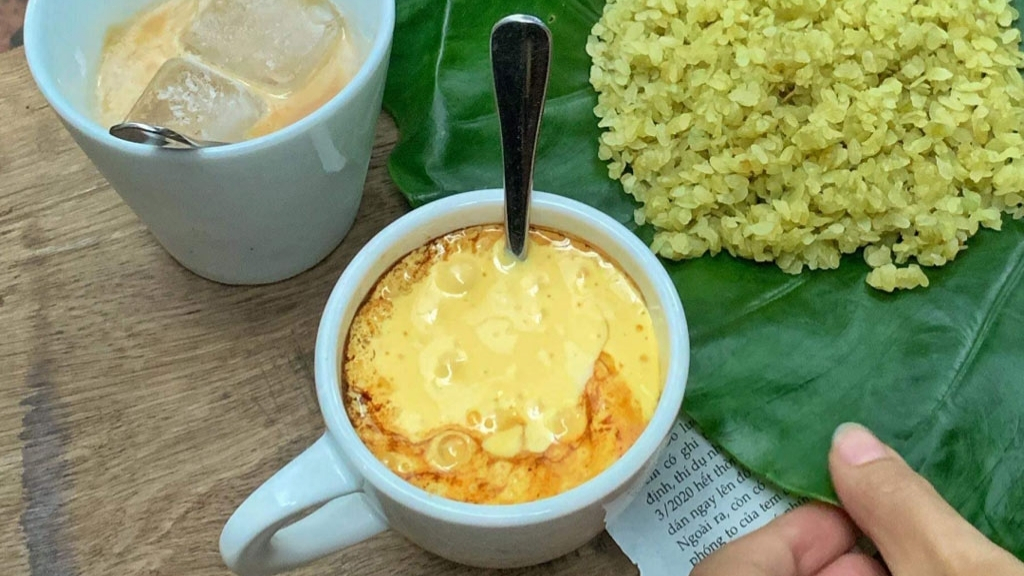
Vietnamese coffee is known for its intense character and is an important part of Vietnamese coffee culture. Traditionally, much of the country’s coffee is made with robusta beans, which tend to produce a stronger, fuller and more pronounced cup than the milder arabica coffees many international visitors may be familiar with.
The result is often rich and aromatic, with a noticeable bitterness and earthy depth. Depending on the beans, roasting method and preparation, you may also notice hints of nuts, chocolate, caramel or subtle fruity notes.
This distinctive flavor is one reason Vietnamese coffee is so often paired with other ingredients. Condensed milk, ice, egg or even coconut can soften its intensity while creating completely different drinking experiences.
The phin: the heart of Vietnamese coffee
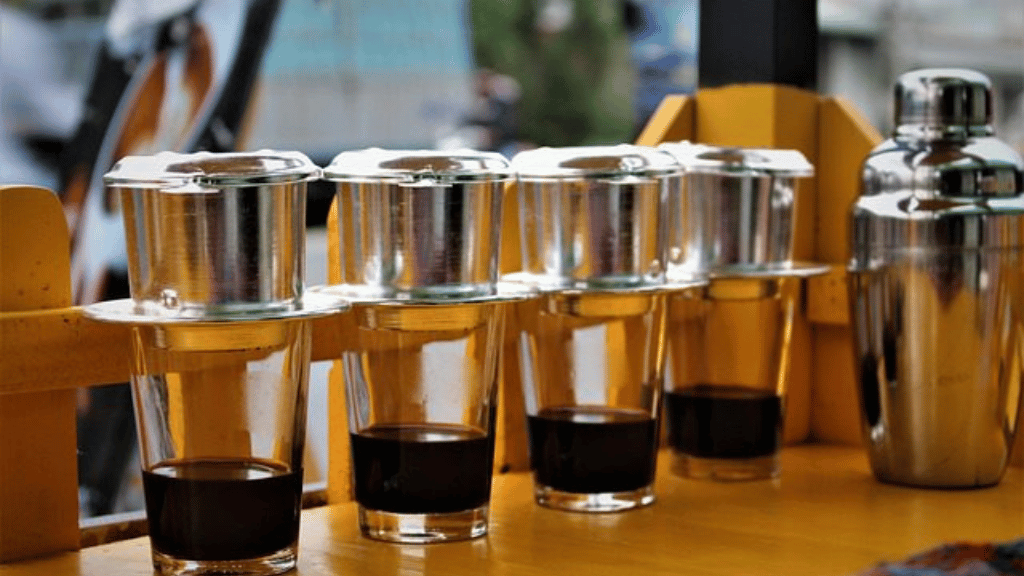
One of the most recognizable elements of Vietnamese coffee culture is the phin, a small metal filter placed directly over the cup.
Unlike an espresso machine, the phin requires patience. Ground coffee is placed inside the filter, hot water is added and the coffee slowly drips through, drop by drop. Watching this process is part of the pleasure.
For first-time visitors, it can seem surprisingly slow. But that is precisely the point. Vietnamese coffee is not always designed to be consumed quickly. The few minutes spent waiting for the coffee to drip encourage you to slow down and take in your surroundings. Once the coffee has finished dripping, you can stir it and drink it as it is, add condensed milk, or pour it over ice depending on the style you have ordered.
Coffee culture from north to south
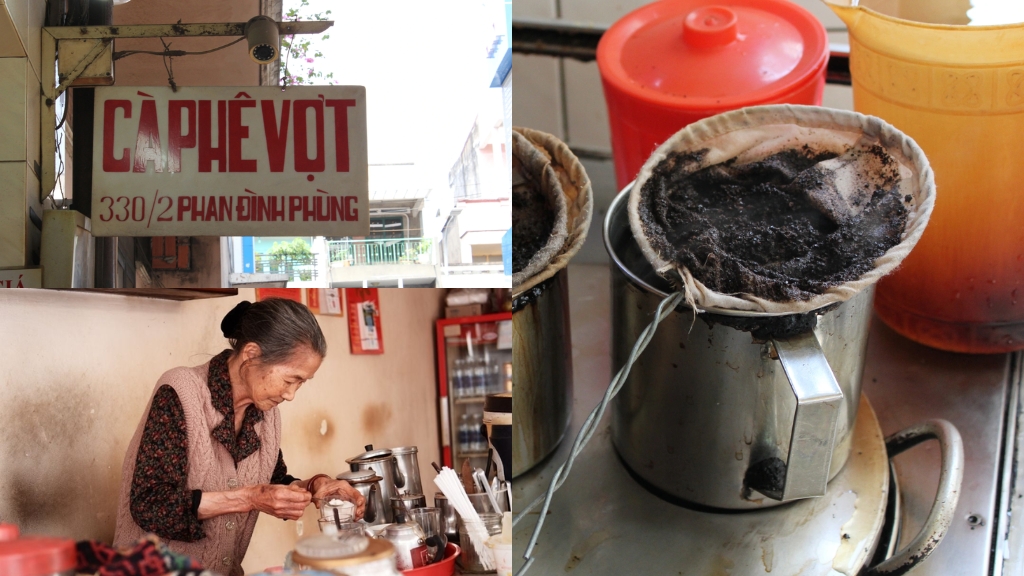
Vietnam’s coffee habits are not exactly the same everywhere. Regional climate, local ingredients and historical influences have helped shape different traditions, making regional diversity an important part of Vietnamese coffee culture.
In northern Vietnam, particularly Hanoi, coffee is often enjoyed slowly and traditionally. Strong black coffee and coffee with condensed milk remain popular, while the capital is also famous for its egg coffee, or cà phê trứng. Created in Hanoi, this distinctive drink combines strong coffee with a creamy, lightly sweet egg-based foam.
Hanoi’s coffee scene also has a particular atmosphere. Some cafés occupy narrow old houses, hidden courtyards or tiny spaces overlooking busy streets. Others are little more than a few stools on the pavement. The setting is often just as memorable as the coffee itself.
Further south, particularly in Ho Chi Minh City, iced coffee is deeply embedded in everyday life. The hotter climate naturally encourages people to reach for a glass of cà phê sữa đá filled with ice. Cafés range from traditional street stalls to modern specialty coffee shops, creating a much more varied contemporary scene.
In the Central Highlands, the story becomes even more closely connected to coffee production itself. Provinces such as Dak Lak, Lam Dong and Gia Lai are among Vietnam’s important coffee-growing areas. Here, travelers can discover the landscapes, farms and communities behind the beans they find in cafés across the country.
More than a drink: a way to connect
One of the most interesting things about Vietnamese coffee culture is the social role of the café. A café can be a meeting place, an informal office, a date spot, a place to catch up with friends or simply somewhere to sit alone.
For younger generations, modern specialty coffee shops have brought new flavors, brewing techniques and international influences into the scene. At the same time, traditional pavement cafés and neighborhood coffee stalls remain an essential part of everyday life.
This coexistence of old and new is what makes Vietnam’s coffee culture particularly fascinating. You can drink a carefully brewed specialty coffee in a contemporary café in the morning, then sit on a tiny plastic stool beside a busy street and enjoy a traditional cà phê sữa đá later the same day.
How to experience Vietnamese coffee like a local
If this is your first time in Vietnam, don’t feel that you need to find the most famous café in town. Some of the most memorable experiences can happen in an ordinary neighborhood café.
Take your time. Watch how the phin works. Notice how locals order, where they sit and how long they stay. Try your coffee without condensed milk first if you want to understand its natural strength, then try cà phê sữa đá to discover the sweeter side of Vietnamese coffee.
And don’t be surprised if your coffee arrives much stronger or sweeter than expected. Vietnamese coffee has its own personality and part of the fun is learning how to appreciate it. For travelers, that is perhaps the best way to understand Vietnamese coffee culture: not simply by tasting the coffee, but by experiencing the moment around it. Sit down, slow down and let the city pass by. In Vietnam, sometimes the best introduction to local life comes one slow drop at a time.
Our recommendations for must-try Vietnamese coffees
In Vietnam, coffee is far more than a beverage, it’s a way of life, a moment of connection and a source of national pride. From the bustling lanes of Hanoi to the peaceful gardens of Hue, every region puts its own spin on Vietnamese coffee. As a starting point for your own tasting journey, here’s a closer look at the drinks travelers consistently fall in love with, along with what to expect from each one and how best to enjoy it.
Egg coffee
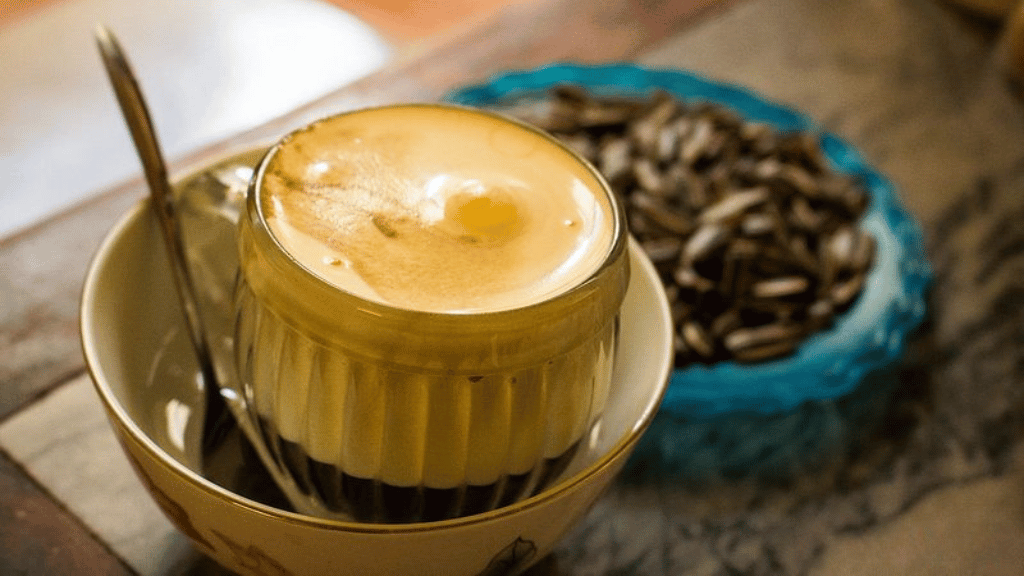
Egg coffee is one of the most distinctive drinks in Vietnamese coffee culture and a specialty closely associated with Hanoi. It was created in the Old Quarter in the 1940s, when a shortage of fresh milk led a local bartender to experiment with egg yolk and sugar as an alternative. The result was cà phê trứng, a rich drink that has since become part of Hanoi’s coffee tradition.
A traditional egg coffee combines strong Robusta coffee with a thick layer of whipped egg yolk and sugar. The creamy topping balances the coffee’s bitterness, creating a taste that is somewhere between a coffee and a light dessert. It is usually served in a small bowl of hot water to keep the drink warm while you enjoy it.
If you’re visiting Hanoi, try it in a traditional café in the Old Quarter rather than rushing through it at a modern coffee chain. Take your time, mix the creamy topping with the coffee, and enjoy it while watching the streets outside. It’s a simple way to experience one of Hanoi’s best-known coffee traditions.
Salt coffee
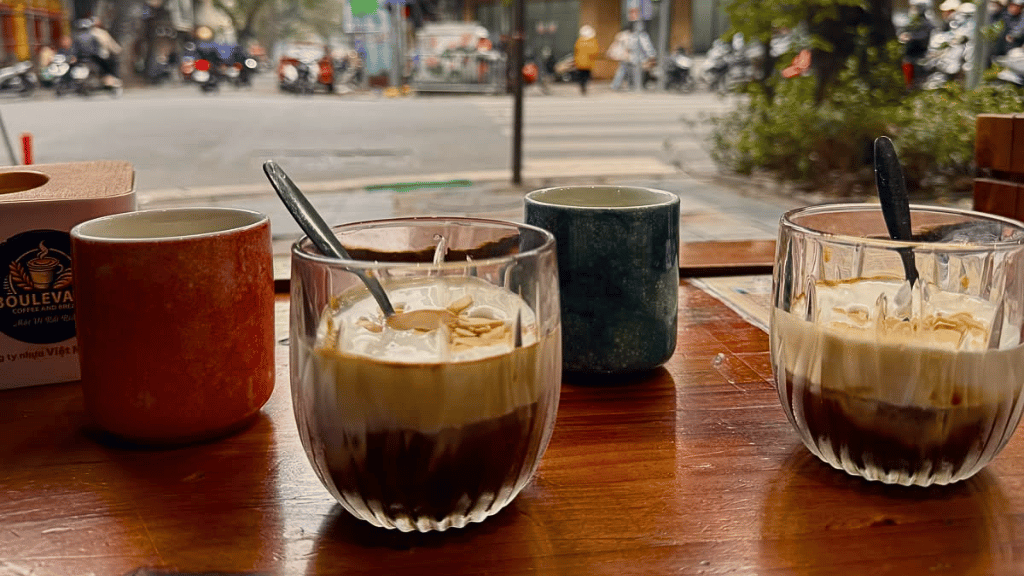
A newer but increasingly popular addition to Vietnamese coffee culture, salt coffee originated in Hue and has since found its way onto menus across the country. Known locally as cà phê muối, it combines strong iced Robusta coffee with a light salted cream made from milk, condensed milk and a small amount of salt.
The salt does not make the drink noticeably salty. Instead, it helps balance the bitterness of the coffee and brings out the sweetness of the cream, creating a surprisingly smooth flavor. For many first-time visitors, the combination may sound unusual, but the balanced taste often makes it an easy favorite.
Salt coffee is usually served cold, with the cream layered on top. Stir it before drinking to combine the coffee and cream, then take your time to appreciate the contrast between the strong coffee and the creamy topping.
Coconut coffee

Built for Vietnam’s tropical climate, coconut coffee blends strong drip coffee with coconut milk or coconut cream, then is often ice-blended into a thick, almost milkshake-like texture. As part of Vietnamese coffee culture, it offers a sweeter and richer alternative to traditional black coffee, making it a popular choice for anyone who finds strong coffee too intense or simply wants something refreshing on a hot afternoon.
It’s especially common in the south, where iced and blended drinks are widely enjoyed. You’ll find coconut coffee at both modern cafés and long-standing local spots, particularly in larger cities. If you have a sweet tooth, this is an easy introduction to Vietnamese coffee and a good choice for an afternoon break between sightseeing stops.
Iced milk coffee
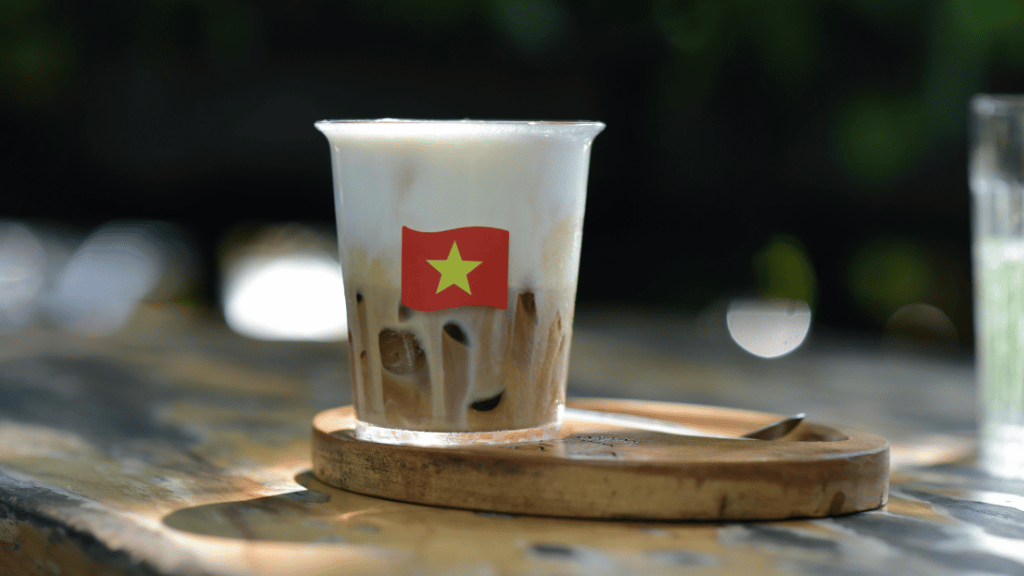
If you only try one Vietnamese coffee, make it this one, since it’s the drink most closely tied to daily life across the entire country. Strong drip-filtered coffee is combined with sweetened condensed milk, then poured over ice, resulting in a cup that’s simultaneously bold, sweet and slightly bitter. It’s traditionally brewed using a small metal phin filter set directly over the glass, so the coffee drips slowly while the condensed milk waits at the bottom, ready to be stirred in.
You’ll see it in the hands of locals perched on low plastic stools at sidewalk cafés from Hanoi to Ho Chi Minh City and it’s just as easy to find and just as good, at a five-star hotel as it is at a street corner stall. Order it as cà phê sữa đá by name almost anywhere and don’t rush it; watching the phin drip is half the ritual.
Black coffee
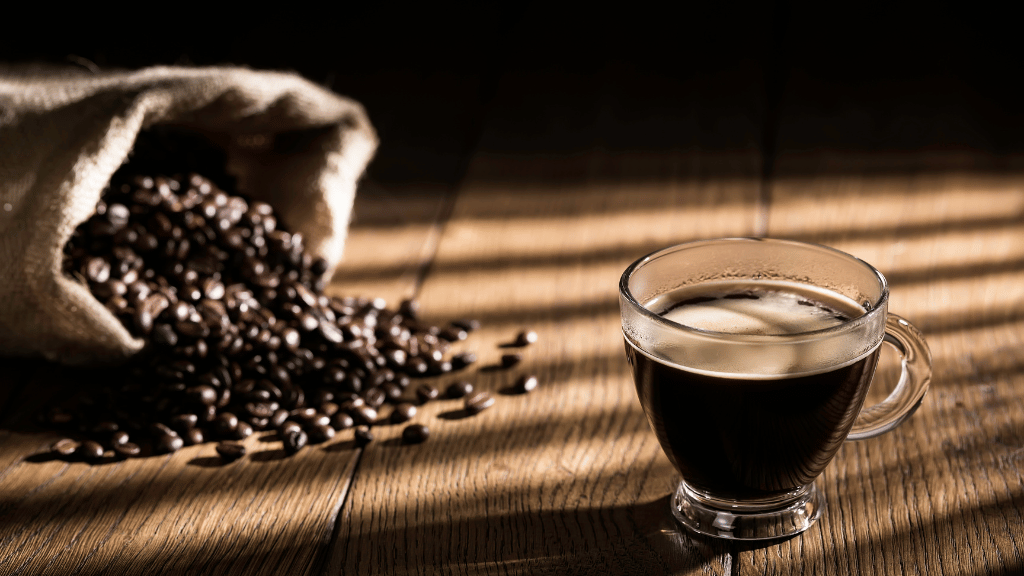
For purists who want to taste Vietnamese Robusta exactly as it is, iced black coffee is the way to go: no milk, no sugar, just strong, slow-dripped coffee poured over ice. It highlights the earthy, full-bodied character that Vietnamese beans are known for, along with a natural bitterness that’s more pronounced than in most Western-style coffees. It’s an excellent choice for serious coffee drinkers who want to understand the base flavor before trying the country’s sweeter variations and it’s typically the cheapest option on any café menu, making it an easy, everyday order once you’ve settled into the rhythm of local life.
FAQs
1. Are there coffee-making classes or workshops in Vietnam?
Yes. Coffee-making classes and workshops are available in several cities, including Hanoi, Ho Chi Minh City, and Da Lat. Travelers can learn how to brew Vietnamese coffee using a traditional phin, discover the story behind specialties such as egg coffee, and, in some places, even roast their own beans. Around Da Lat and Buon Ma Thuot, coffee farms also offer experiences that combine plantation visits with hands-on brewing sessions, giving visitors a closer look at the journey from bean to cup
2. Where’s the best place to buy Vietnamese coffee to bring home?
The best places to buy Vietnamese coffee to take home are supermarkets, local coffee shops, specialty roasters, and coffee farms. Supermarkets such as Big C, Lotte Mart, and Co.op Mart offer a wide selection at reasonable prices, while local roasters are a good choice if you want freshly roasted beans. In Da Lat and the Central Highlands, you can also buy coffee directly from farms and producers
3. How much does a coffee typically cost in Vietnam?
A coffee in Vietnam is generally affordable, although prices vary depending on the type of drink and where you order it. At a local street-side café, a basic Vietnamese coffee can cost around 15,000 to 25,000 VND (US$0.60–1), while cafés in central or tourist areas may charge around 40,000 to 60,000 VND (US$1.60–2.40)
4. Is Vietnamese coffee stronger than regular coffee?
Yes, Vietnamese coffee is generally stronger and more intense than many Western-style coffees. It is traditionally made with robusta beans, which contain more caffeine than arabica beans, and brewed slowly through a phin filter, creating a rich and concentrated cup. Condensed milk, ice, or egg foam are often added to balance its bold flavor and bitterness
5. Where’s the best place to drink coffee for a great experience?
Try Café Giảng in Hanoi for its famous egg coffee, Trung Nguyen Legend Café for Vietnam’s coffee heritage, or a local sidewalk café for a more authentic everyday experience.
À lire également: Exploring Cafes In Hanoi: Top 8 Best Places To Go
Vietnamese coffee is an everyday part of local life and an easy way to discover the country’s culture. During your trip, take time to sit at a local café, try a traditional phin coffee and see how Vietnamese people enjoy their coffee.
Want to experience Vietnamese coffee culture during your trip? Hanoi Voyages can help you discover local cafés and authentic coffee experiences as part of your journey through Vietnam.




 Google
 Facebook
 Tripadvisor
 Trustindex


